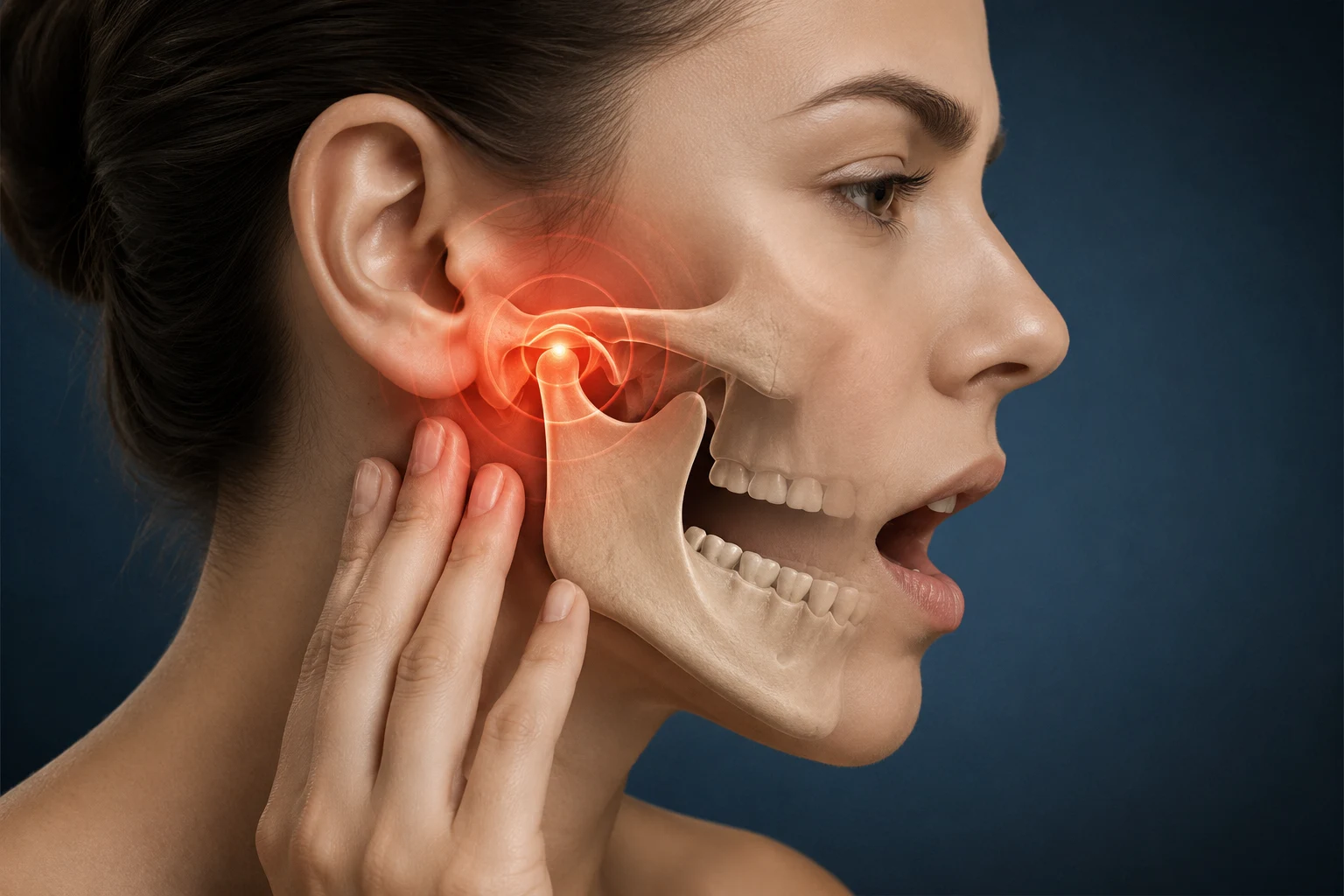


Yes, wisdom teeth can cause headaches, especially when impacted or erupting teeth put pressure on the jaw, surrounding nerves, and facial muscles, leading to pain that radiates into the head and temples.
In this blog post, we will discuss ten signs that your headaches may be caused by wisdom teeth. We'll also provide some tips on how to manage these headaches when they occur.

Third molars better known as wisdom teeth are typically the final teeth to come in, usually emerging somewhere between ages 17 and 25. Unlike your other molars, by the time these teeth are ready to erupt, the jaw has often finished growing, leaving little to no room for them to settle into place.
That lack of space is exactly why wisdom teeth so often become impacted, angled sideways, or partially trapped beneath the gum line instead of coming in straight. When that happens, the surrounding jawbone, muscles, and nerves can end up under constant strain which is a major reason wisdom teeth are frequently linked to head and jaw pain. Keeping an eye on how your wisdom teeth are developing, with regular dental checkups, makes it easier to catch problems before they escalate.

It all comes down to the anatomy of your mouth. As your wisdom teeth are erupting or growing in, they put pressure on the surrounding teeth and jawbone, which can cause headache pain. Additionally, when there is not enough room in your mouth for them to grow properly, it can create tension in your jaw muscles and pain that can radiate around your head and neck area.
In most cases, if wisdom teeth are not cared for properly, bacteria can build up around them and cause an infection known as pericoronitis, which can lead to a build-up of pressure in the area near your wisdom teeth that can be quite uncomfortable and even cause headaches.
Headaches can come from many different things, one of which is wisdom teeth. Here are 10 signs that your headache might be coming from your wisdom teeth!

If you have a sinus headache, it may be caused by pressure and inflammation in the area surrounding your wisdom teeth. The pain may feel like an intense throbbing or pressure, often accompanied by a stuffy nose and sore throat.
If you're experiencing migraines with no identifiable cause, they may be linked to pressure in the jawbone due to impacted wisdom teeth. Tension headaches can also occur due to tightness in muscles around the face, neck, and head which can result from an imbalance caused by your wisdom teeth pushing against other teeth.

Ear pain due to the pressure and tension being put on the jawbone by your erupting wisdom teeth can also be a sign that you have wisdom tooth-related headaches.
If your headaches worsen when you bite down, it could be a sign that your wisdom teeth are causing pressure in the surrounding tissue and jawbone.

Pain in this area is likely due to pressure from wisdom teeth pushing against other parts of your mouth such as the cheekbone, which can cause a headache at the same time.
It is not uncommon to experience tingling or numbness around your jaw, as well as other areas of your face if you are experiencing headaches related to wisdom teeth.

If you are experiencing tenderness in your jaw and headache at the same time, it could be due to pressure from your wisdom teeth pushing against other parts of your mouth.
Temperature sensitivity is often caused by inflammation in the area surrounding wisdom teeth, which can lead to sharp shooting pains radiating up into the head when eating something cold or hot.
If you find that opening or closing your mouth causes an increase in headache pain, this could be a sign of wisdom tooth-related headaches. As the pressure from wisdom teeth increases, it can become quite difficult to open your mouth wide due to either jawbone misalignment or pressure from the erupting tooth which can be quite uncomfortable.

If your gums are swollen, red, or sensitive to the touch and accompanied by a headache, it could be because of an infected wisdom tooth. An abscessed wisdom tooth can cause pain and swelling that radiates up into the head.
If you are experiencing any of these symptoms, it is important to visit your dentist as soon as possible so they can diagnose and recommend a course of treatment. In many cases, wisdom teeth removal is necessary to provide lasting relief from pain and discomfort. With proper care and treatment, you can have relief from headache pain and other symptoms associated with wisdom teeth.
travels along shared nerve pathways, it can radiate well beyond your jaw. Here's where patients most commonly feel it:
If your headache consistently lines up with one of these areas and especially if it's one-sided and paired with jaw soreness a wisdom tooth issue is worth ruling out before you chalk it up to tension or migraines.

In addition to headaches, wisdom teeth can cause a variety of other problems, including:

Wisdom tooth headaches can range from a dull ache to sharp, throbbing pain, and the right relief approach depends on what's driving it inflammation, muscle tension, or an underlying impaction. Here are some ways to find relief:
• Rinse with warm salt water: Swishing with a warm saline rinse several times a day helps calm inflammation around the erupting tooth and clears away bacteria that can make jaw tension and the headache that comes with it worse.
• Try an over-the-counter pain reliever: Medications like ibuprofen work well for wisdom tooth headaches because they target inflammation directly, not just the pain signal. Check with your doctor first if you're pregnant, nursing, or managing another health condition.
• Alternate cold and warm compresses: A cold pack calms swelling near the jaw, while switching to a warm compress afterward helps loosen tight jaw muscles that are referring pain up into your head and temples.
• Massage or gently stretch the jaw: Because so much wisdom-tooth-related head pain comes from muscle tension rather than the tooth itself, gently massaging the jaw muscles or doing light jaw stretches can ease pressure that's radiating into your head.
• Talk to your dentist about extraction: When home care isn't cutting it, removing the wisdom tooth especially if it's impacted is usually what finally resolves the pressure on your jaw and nerves that's triggering the headaches. An oral surgeon can evaluate whether a straightforward extraction or a more involved surgical removal is needed.
Wisdom tooth pain and TMJ (temporomandibular joint) disorders can feel remarkably similar, which makes them easy to mix up. Both can cause jaw pain, headaches, and general facial discomfort but they come from different sources and call for different treatments.
What points to a wisdom tooth:
What points to TMJ:
The two conditions aren't mutually exclusive, either an erupting wisdom tooth can cause you to change how you chew or clench your jaw, which can trigger or aggravate TMJ symptoms on top of the original tooth pain. If you're not sure which one you're dealing with, a dental exam can sort out whether the source is your wisdom tooth, your jaw joint, or both.
Yes. Wisdom teeth can sometimes cause headaches, especially when they are impacted, partially erupted, infected, or placing pressure on the jaw and surrounding tissues. This pressure can lead to pain that radiates into the temples, face, or head.
Yes. Impacted wisdom teeth are one of the more common reasons wisdom teeth may trigger headaches. When a tooth cannot fully erupt, it may create inflammation, crowding, jaw pressure, or irritation in nearby nerves and muscles.
Headaches linked to wisdom teeth often happen along with other symptoms such as jaw soreness, gum swelling, pain in the back of the mouth, ear discomfort, trouble opening the mouth fully, or pressure near the temples. A dental exam and X-rays can help confirm the cause.
Wisdom teeth do not directly cause migraines in every case, but the pressure, inflammation, and muscle tension associated with problematic wisdom teeth may trigger migraine-like symptoms in some people.
Yes. Wisdom tooth problems can sometimes cause referred pain, meaning discomfort starts in the jaw or gums but is felt in nearby areas such as the ear, temple, or side of the head.
Some people get temporary relief with saltwater rinses, cold compresses, and over-the-counter pain relievers if appropriate for them. However, home remedies will not correct the underlying problem if the tooth is impacted, infected, or damaging nearby tissue.
A dentist may recommend removal if your wisdom teeth are impacted, causing repeated pain or headaches, contributing to infection, damaging nearby teeth, or creating crowding or bite problems.
Wisdom tooth extraction is often considered when there are signs of pain, impaction, infection, swelling, gum problems, or damage to nearby teeth. Many dentists evaluate wisdom teeth in the late teens or early twenties, but the right timing depends on the patient’s symptoms and X-ray findings.
Delaying treatment can sometimes allow symptoms to worsen. Impacted wisdom teeth may increase the risk of infection, gum inflammation, cyst formation, damage to nearby teeth, or more difficult removal later if the roots become more fully developed.
Yes. A partially impacted wisdom tooth has only partly emerged through the gums. These teeth may trap food and bacteria more easily, which can lead to pain, swelling, bad breath, infection, or headaches.
If wisdom teeth are healthy, fully erupted, easy to clean, and not causing crowding or other problems, they may not need to be removed. In those cases, your dentist may simply monitor them over time.
Dentists usually confirm impaction with a clinical exam and dental X-rays. Common warning signs include pain in the back of the mouth, swelling, repeated gum irritation, headaches, or difficulty chewing comfortably.
Dr. Daniel Javaheri, lead dentist at Smiles By Design Dentistry of San Diego, notes that wisdom-tooth-related headaches are one of the more commonly overlooked connections patients make.
"Patients come in describing a headache or ear pain, and they're surprised when we trace it back to a wisdom tooth," Dr. Javaheri says. "The nerves in that part of your jaw are closely connected to nerves that run up toward the temple and ear, so it's not unusual for the tooth itself to feel like a minor issue while the headache is what actually brings someone in."
He also cautions against waiting too long to investigate. "If a headache keeps showing up on the same side as a wisdom tooth that's coming in, or if you're noticing jaw soreness alongside it, that's a pattern worth checking rather than just treating the headache on its own. An x-ray takes a few minutes and tells us immediately whether the wisdom tooth is the source."
His guidance for patients: track when the headaches happen and whether they line up with jaw pain, chewing, or pressure on the back molars. That pattern is often the clearest clue for diagnosis.
Wisdom teeth may often be the root cause of headaches for many people. If you have any or all of these symptoms, it may be time to see a dentist or oral surgeon.
At Smiles By Design San Diego, we can help you determine if your wisdom teeth are the source of your headaches and what the best treatment plan is for you. Schedule your complimentary appointment with us today!