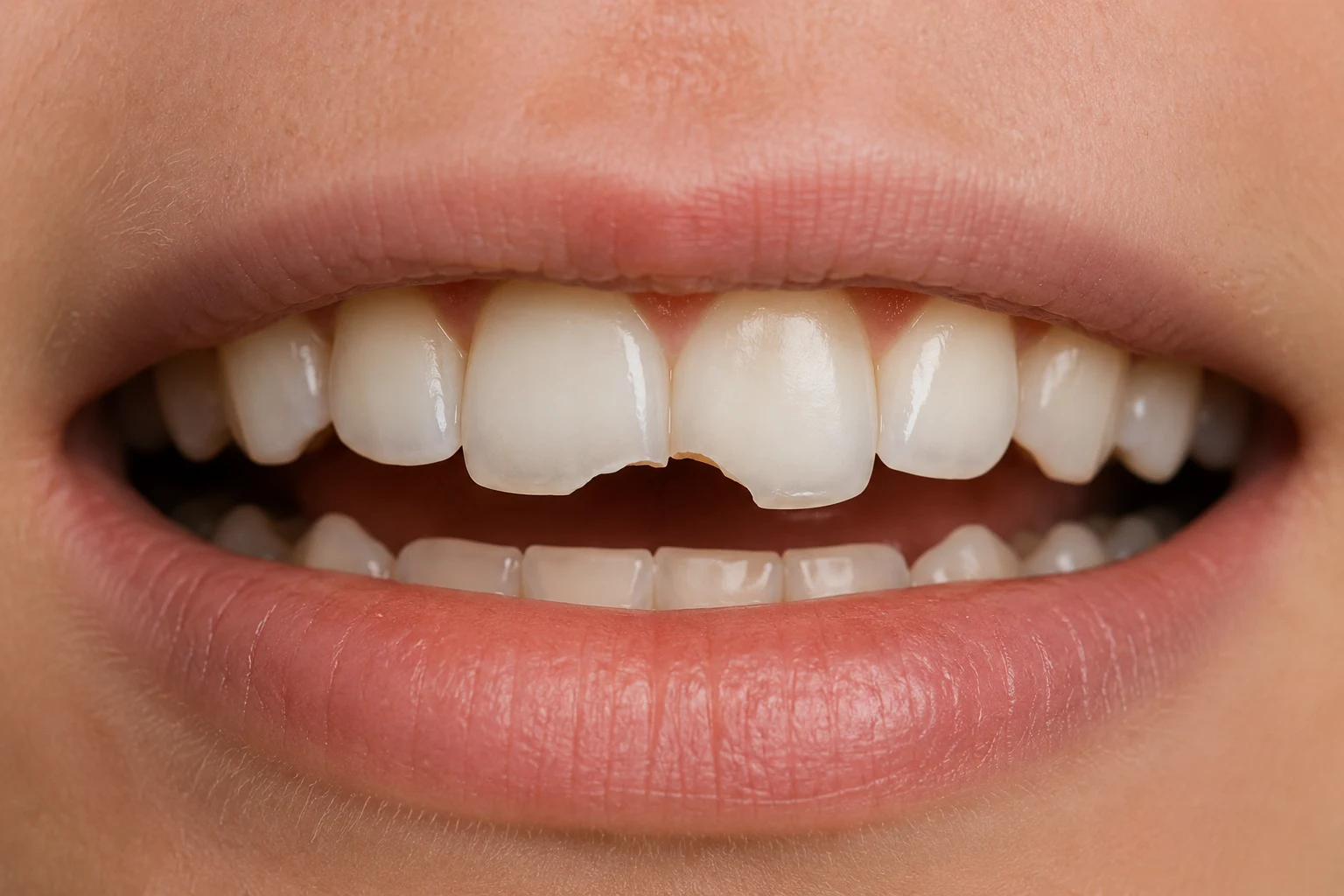



Dental fillings are restorative treatments used to repair teeth damaged by decay, fractures, or wear. After removing decayed tooth structure, a dentist fills the cleaned area with a restorative material to restore strength and function. Modern white fillings, also called composite resin fillings, are tooth-colored and bond directly to enamel, offering aesthetic and structural advantages. Other materials include amalgam, ceramic, and gold. The appropriate type depends on the size of the cavity, location in the mouth, biting forces, and long-term durability considerations. Early treatment of tooth decay prevents deeper infection and reduces the need for more complex procedures.
Introduction
Tooth decay remains one of the most common chronic conditions worldwide. When bacteria break down enamel and create cavities, intervention is required to prevent deeper structural damage.
Dental fillings restore compromised teeth by removing decayed tissue and sealing the area to prevent bacterial reentry. Advances in materials have made white fillings increasingly popular due to their aesthetic integration and adhesive properties.
At Smiles By Design Dentistry of San Diego, restorative planning emphasizes conservative treatment that preserves as much natural structure as possible while maintaining long-term durability for white fling in San Diego, CA.
A dental filling is a restorative material placed into a tooth after decay or damage has been removed. The purpose is to restore the tooth’s shape, strength, and function while preventing further bacterial penetration.
White fillings, also called composite resin fillings, are tooth-colored materials designed to blend naturally with surrounding enamel.
Fillings are considered minimally invasive compared to crowns or root canal therapy.
Tooth decay develops when oral bacteria metabolize sugars and produce acids. These acids demineralize enamel, creating microscopic porosities that can progress into cavities.
If untreated, decay penetrates into dentin and eventually the pulp chamber, leading to infection.
Removing decayed tissue eliminates bacterial reservoirs. Filling the cavity seals the tooth, restoring structural continuity and reducing reinfection risk.
White composite fillings bond chemically to enamel and dentin, reinforcing weakened tooth structure.
Common causes of cavities include:
Risk level influences how frequently fillings may be needed.
Early detection reduces restoration size.
Symptoms may include:
However, many cavities are painless in early stages.
Routine exams often detect decay before symptoms arise.
Temporary sensitivity after consuming cold beverages can occur without structural damage.
Persistent localized pain, especially when chewing, may indicate cavity progression.
Not all discoloration is decay; some staining is superficial.
Clinical examination distinguishes reversible enamel changes from active caries requiring filling.
Evaluation is recommended if:
Early restoration prevents deeper infection that could require root canal therapy.
Diagnosis includes:
Radiographs help detect decay between teeth not visible clinically.
Treatment planning considers size, location, and structural stability.
Several materials are used in restorative dentistry.
Composite (White) Fillings
Tooth-colored resin bonded directly to enamel. Ideal for visible areas and moderate cavities.
Amalgam Fillings
Silver-colored alloy known for durability in high-pressure areas.
Ceramic (Porcelain) Fillings
Custom-fabricated restorations offering high aesthetic quality.
Gold Fillings
Durable but less commonly used due to cost and appearance.
Material selection depends on functional demands and patient preference.
The procedure typically involves:
Bonding technology allows white fillings to adhere directly to enamel, preserving more natural tooth structure compared to older materials.
Dental fillings are generally safe but may involve:
Large cavities may weaken remaining tooth structure, increasing fracture risk if not protected appropriately.
White composite fillings typically last 5–10 years or longer depending on size, location, and hygiene.
Amalgam fillings may last longer in high-pressure molar regions.
Longevity depends on:
Early intervention improves long-term prognosis.
Preventive strategies include:
Preventing cavities reduces the need for restorative procedures.
White fillings are not weaker by default; bonding technology provides structural reinforcement.
Fillings do not last forever and require monitoring.
Removing amalgam solely for aesthetic reasons may not be necessary if structurally stable.
Small cavities do not always cause pain.
Clear expectations reduce overtreatment or delay.
Are white fillings better than silver fillings?
White fillings offer aesthetic advantages and adhesive bonding, while amalgam may provide durability in specific cases.
How long do white fillings last?
Typically 5–10 years or longer with proper care.
Do fillings hurt?
Local anesthesia minimizes discomfort during placement.
Can a filling fall out?
Yes, though uncommon. Regular exams help identify weakening margins.
Dr. Dan Javaheri, a graduate of the New York University College of Dentistry, emphasizes that conservative restoration is central to long-term dental health. With extensive experience in restorative and cosmetic dentistry and certification through the California Academy of Implant Dentistry, he evaluates cavity size, enamel integrity, and bite forces before selecting filling material. Research involvement associated with the National Institutes of Health and UC Davis Medical Center supports evidence-based material selection. At Smiles By Design Dentistry of San Diego, white fillings are placed with attention to structural preservation and long-term durability.