August 19, 2026
How Much Do Porcelain Veneers Cost? Pricing & Insurance Coverage Guide in San Diego


Porcelain veneers installation typically costs several $100 to several $1000 dollars per tooth depending on laboratory craftsmanship, material type, diagnostic planning, and case complexity. Because veneers are usually considered elective cosmetic procedures, dental insurance often does not cover them unless structural damage or restorative necessity is documented. Total investment may include consultation, imaging, temporary restorations, bonding procedures, and long-term replacement planning. Veneers generally last 10–15 years or longer, meaning cost should be evaluated over a lifecycle rather than as a one-time expense. A comprehensive dental evaluation determines candidacy, projected longevity, and whether partial insurance reimbursement may apply.
Introduction
Porcelain veneers are among the most transformative treatments in cosmetic dentistry. They can correct discoloration, reshape worn teeth, close minor gaps, and create aesthetic symmetry that whitening alone cannot achieve.
Because veneers involve irreversible enamel modification and customized laboratory fabrication, they represent both a cosmetic enhancement and a financial commitment. Patients commonly ask: How much do porcelain veneers cost? And does dental insurance provide coverage?
Answering these questions requires more than a price range. Cost reflects biological preparation, artistic craftsmanship, structural stability, and long-term maintenance considerations.
At Smiles By Design Dentistry of San Diego, veneer planning prioritizes structural integrity and occlusal balance before cosmetic design. Financial planning follows clinical diagnosis—not the reverse.
Porcelain veneers are ultra-thin ceramic restorations bonded to the front surface of teeth. They are custom-designed to improve color, contour, proportion, and alignment while preserving as much enamel as possible.
Unlike crowns, which cover the entire tooth structure, veneers typically require conservative facial enamel reduction. Once bonded, they function as permanent aesthetic restorations integrated into the natural dentition.
Because enamel removal is required, veneers are considered irreversible.
Veneers adhere to enamel through micromechanical retention and chemical bonding. The enamel surface is etched, creating microscopic porosities that allow resin cement to interlock with tooth structure.
Porcelain’s translucency mimics natural enamel’s optical properties, allowing light transmission and reflection similar to natural teeth.
Occlusal forces are distributed across the bonded surface. For patients with heavy bite forces or bruxism, stress concentration may increase fracture risk, influencing long-term replacement cost.
Understanding this bonding mechanism explains why material quality and bonding technique significantly affect durability.
Porcelain veneers are typically indicated for:
They are not first-line treatment for severely compromised teeth requiring structural reinforcement.
When veneers are placed for aesthetic correction rather than structural repair, insurance classification differs accordingly.
Veneers may not be recommended when:
In such cases, orthodontics or full-coverage crowns may provide more predictable longevity.
Incorrect case selection increases both structural risk and financial burden.
From an insurance standpoint, cosmetic desire alone does not qualify as medical necessity.
However, veneers may be considered partially restorative when:
Distinguishing elective cosmetic enhancement from restorative necessity directly influences insurance eligibility.
Proper documentation is essential for claim consideration.
Consultation is recommended when:
Professional evaluation clarifies whether veneers, bonding, orthodontics, or crowns offer the most cost-effective and structurally appropriate solution.
Comprehensive veneer planning includes:
Trial mock-ups allow patients to preview changes before permanent preparation.
Diagnostic precision reduces long-term financial regret and improves longevity.
Treatment Options Comparison
Alternative treatments may include:
Each option varies in durability, invasiveness, insurance likelihood, and cost.
Veneers provide aesthetic control but require irreversible enamel modification.
Veneer placement typically occurs in stages:
Procedural precision contributes significantly to overall cost.
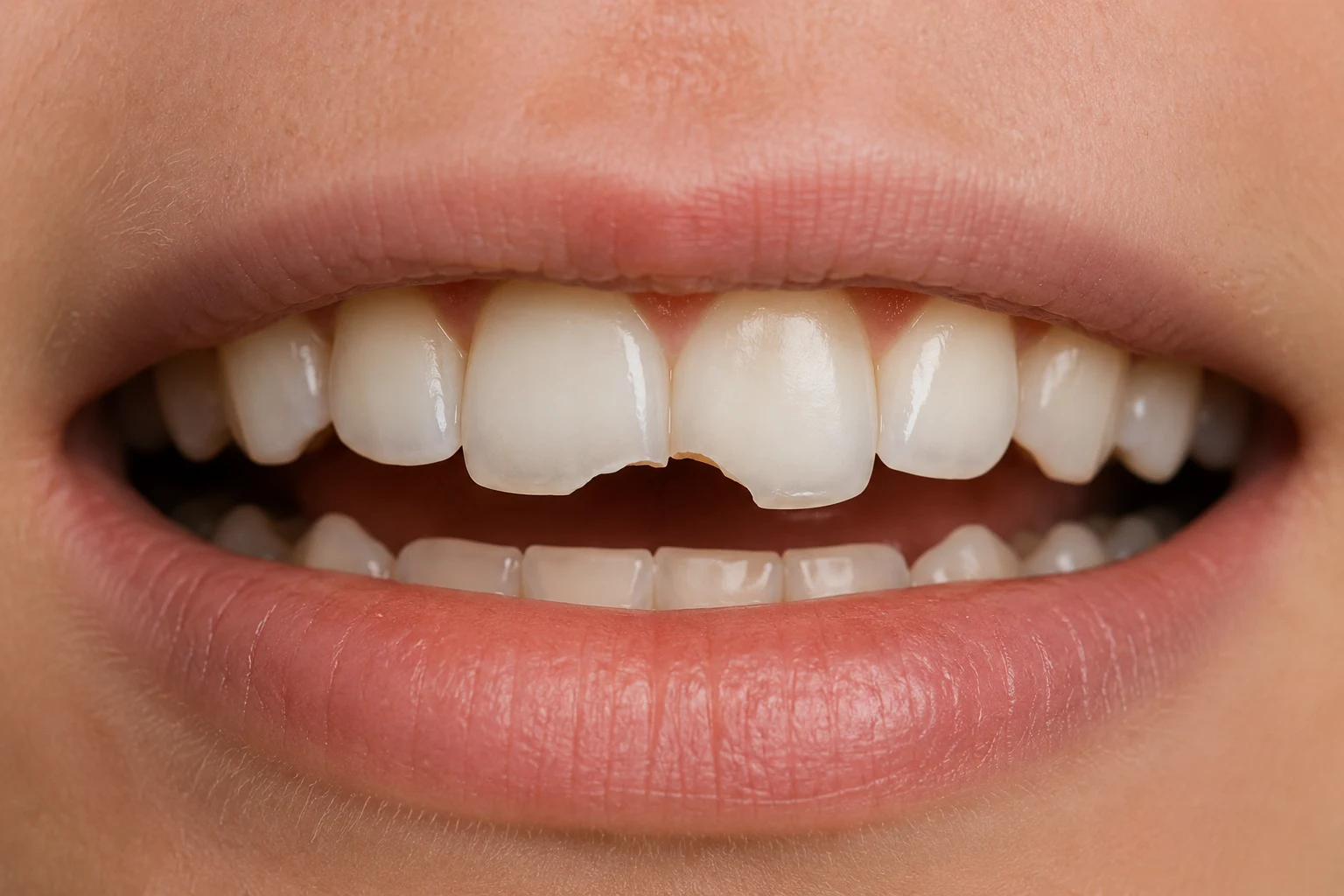
Potential complications include:
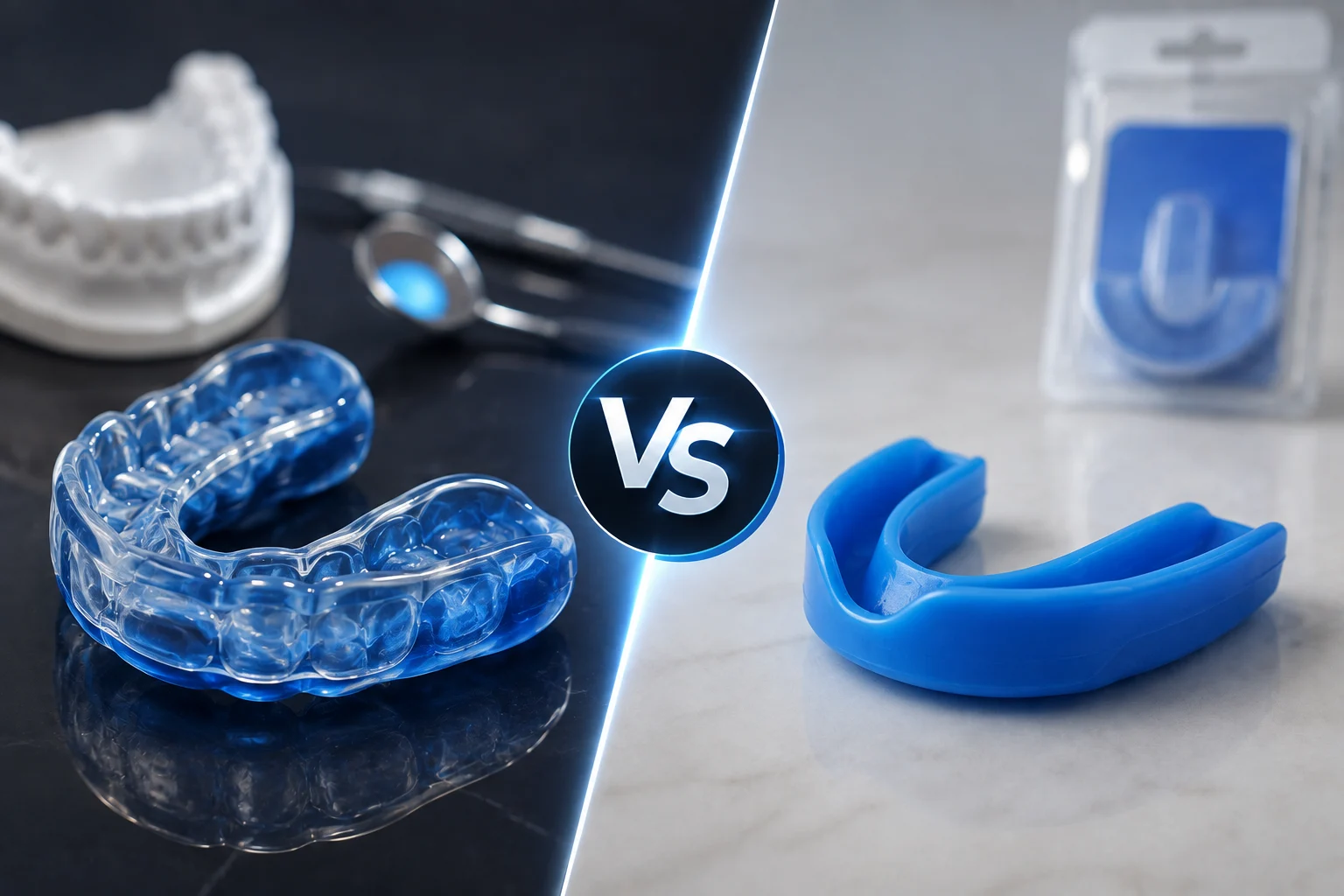
Patients with bruxism require night guard protection to reduce fracture risk.
While veneers are durable, they are not immune to mechanical stress.
Porcelain veneers typically last 10–15 years. Some may exceed 20 years under ideal conditions.
However, eventual replacement should be anticipated. If eight veneers are placed simultaneously, replacement may involve comparable investment years later.
When evaluating cost, patients should consider lifecycle cost rather than initial fee alone.
Long-term planning enhances financial transparency.
Maintenance includes:
Preventive maintenance reduces premature failure and replacement costs.
Enamel Removal
Porcelain Veneers: Minimal removal of enamel is typically required.
Composite Bonding: None or very minimal enamel alteration.
Dental Crowns: Moderate enamel removal to allow full coverage.
Longevity
Porcelain Veneers: Typically last 10–15+ years with proper care.
Composite Bonding: Usually lasts 3–7 years before repair or replacement.
Dental Crowns: Often last 10–15+ years depending on material and maintenance.
Insurance Coverage Likelihood
Porcelain Veneers: Low — often considered cosmetic.
Composite Bonding: Low — usually cosmetic unless used for structural repair.
Dental Crowns: Moderate to high when medically necessary.
Replacement Cycle
Porcelain Veneers: Replacement eventually required over time.
Composite Bonding: Replacement or repair needed more frequently.
Dental Crowns: Replacement may be required after long-term wear.
Aesthetic Control
Porcelain Veneers: High — precise shade, shape, and translucency control.
Composite Bonding: Moderate — aesthetic improvement possible but limited durability.
Dental Crowns: High — full tooth coverage allows significant cosmetic correction.
How much do porcelain veneers cost per tooth?
Costs vary based on material, laboratory craftsmanship, and case complexity. A consultation provides individualized pricing.
Does dental insurance cover veneers?
Most plans consider veneers cosmetic. Partial coverage may apply if restorative necessity is documented.
How long do veneers last?
Typically 10–15 years or longer with proper care and bite management.
Are veneers permanent?
Yes. Enamel preparation makes the procedure irreversible.
Dr. Dan Javaheri, a graduate of the New York University College of Dentistry, emphasizes that porcelain veneers should be recommended only after evaluating occlusion, enamel thickness, and long-term structural stability. With extensive continuing education in aesthetic and restorative dentistry and certification through the California Academy of Implant Dentistry, he integrates functional analysis with cosmetic planning. Research involvement associated with the National Institutes of Health and UC Davis Medical Center supports an evidence-based approach to aesthetic investment. At Smiles By Design Dentistry of San Diego, veneer planning balances aesthetics, biomechanics, and financial transparency.