
Anxious woman in a dentist's chair covering her mouth, looking scared as the dentist prepares tools.

How to Manage Dental Anxiety: Expert Tips from a San Diego Dentist

Visiting the dentist can be a source of anxiety for many people. Whether it’s the sound of a drill, a fear of pain, or memories of past dental experiences, dental anxiety affects millions of Americans. Yet, avoiding dental care due to fear can lead to more serious oral health problems, including cavities, gum disease, and even tooth loss.

For patients in San Diego and surrounding areas, Smiles By Design Dentistry of San Diego in Carmel Mountain Ranch specializes not only in expert dental care but also in creating a calm, patient-centered environment that helps reduce stress and anxiety. In this article, we’ll explore the causes of dental anxiety, strategies to manage it, and how professional dental teams like Smiles By Design Dentistry make your visits more comfortable.

Understanding Dental Anxiety

Dental anxiety isn’t just “being nervous.” It can range from mild apprehension to severe phobia, known as odontophobia, which may prevent people from seeking dental care altogether. Common triggers include:

  • Fear of pain: Even minor procedures can seem overwhelming if a patient has had painful dental experiences before.
  • Loss of control: Being reclined in a dental chair while someone works inside your mouth can create a sense of vulnerability.
  • Embarrassment: Some patients feel self-conscious about the condition of their teeth.
  • Sounds and smells: The sound of drills or the smell of certain dental materials can trigger anxiety.
  • Past trauma: Negative experiences in childhood or prior dental visits can carry over into adulthood.

Recognizing the specific source of your anxiety is the first step toward managing it effectively. Patient experiences shared here highlight how support and understanding from a dental team can make a big difference.

Effects of Dental Anxiety on Oral Health

Avoiding the dentist due to fear has real consequences. Dental anxiety can lead to:

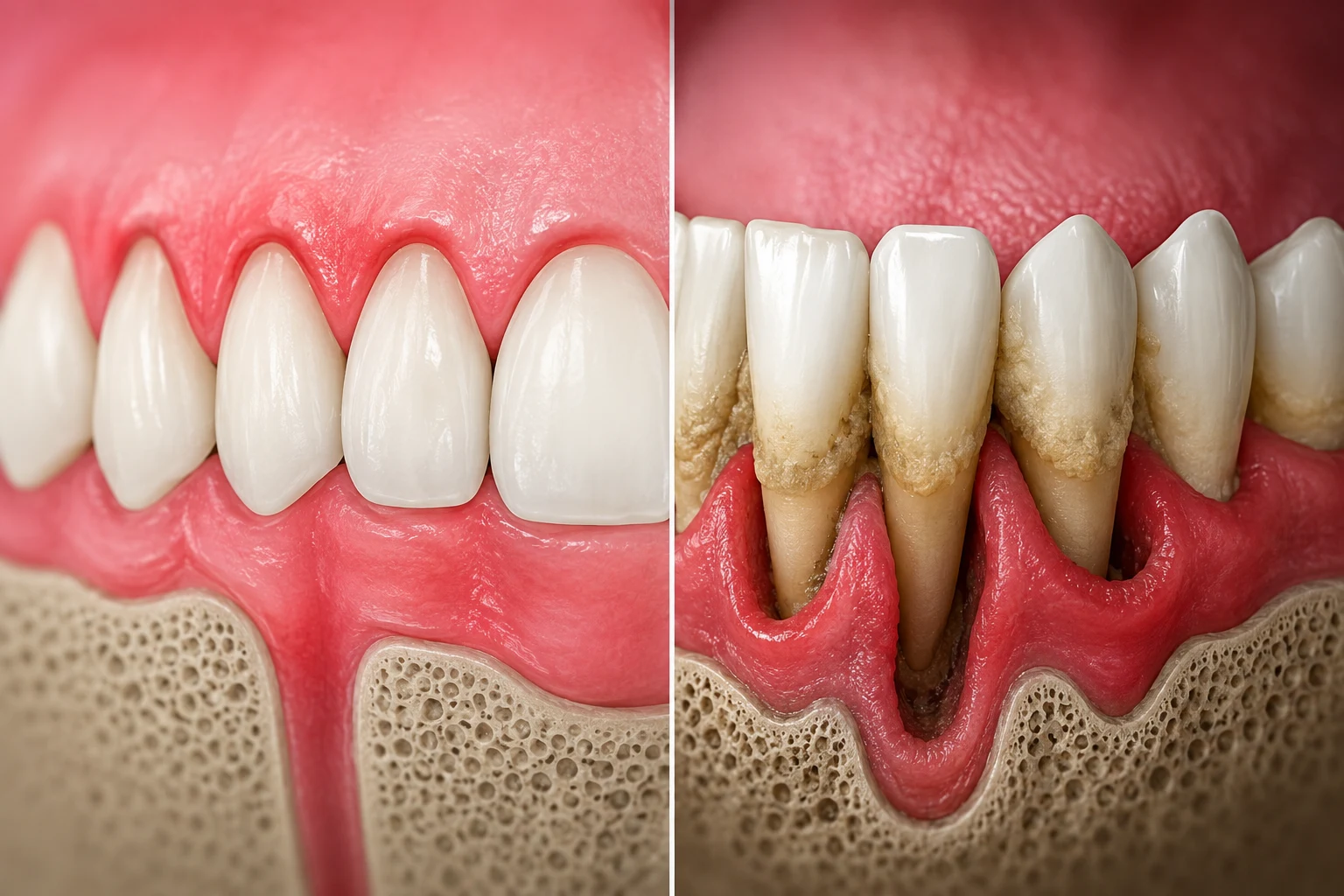
  • Delayed treatment: Cavities, gum disease, or minor dental issues can worsen over time.
  • Increased dental complexity: Skipping routine care can result in more invasive procedures, such as root canals or extractions.
  • Chronic oral pain: Untreated dental problems can cause ongoing discomfort and affect your quality of life.
  • Lowered self-confidence: Poor dental health can impact your smile, social interactions, and self-esteem.

At Smiles By Design Dentistry, Dr. Dan Javaheri and his team emphasize prevention and gentle care, ensuring that patients receive timely treatment before issues escalate. For preventive care insights, check out benefits of professional teeth cleaning.

Strategies to Manage Dental Anxiety

Here are practical strategies to help patients manage dental anxiety and make visits more comfortable:

  1. Communicate Openly with Your Dentist
    Being honest about your fears allows your dental team to customize your experience. Letting them know you are anxious can result in: slower procedures with frequent breaks, step-by-step explanations, and adjustments to lighting, sounds, or positioning to reduce stress.
  2. Schedule the Right Appointment Time
    For many anxious patients, timing matters. Early morning appointments can reduce anxiety because you haven’t spent the day anticipating the visit and offices are generally quieter.
  3. Bring a Support Person
    Some patients find it helpful to bring a trusted friend or family member to appointments. This companion can provide emotional support and reassurance, especially during longer or more complex procedures.
  4. Use Relaxation Techniques
    Relaxation exercises such as deep breathing, progressive muscle relaxation, visualization, or mindfulness can significantly reduce anxiety.
  5. Consider Sedation Dentistry
    For severe anxiety, sedation dentistry is an effective option. Options include nitrous oxide, oral sedation, or IV sedation (sedation dentistry guide).
  6. Listen to Music or Use Distractions
    Many dental offices now provide headphones, music, or TV screens to distract patients during procedures.
  7. Start with Simple Procedures
    Begin with routine exams and cleanings before progressing to more complex treatments to build trust and confidence.

How Smiles By Design Dentistry Supports Anxious Patients

Smiles By Design Dentistry of San Diego takes a comprehensive approach to patient comfort:

  • Personalized treatment plans
  • Calm, friendly, and empathetic staff
  • Modern, minimally invasive techniques
  • Sedation options tailored to patient needs
  • Clear communication and education

Patient testimonials, such as Steven’s story, show how effective compassionate care can be in overcoming fear.

Tips for Maintaining Oral Health Between Visits

Reducing dental anxiety also means preventing problems that may require more invasive procedures:

  • Brush gently twice daily using a soft-bristled toothbrush
  • Floss daily to remove plaque
  • Use fluoride toothpaste
  • Limit sugary and acidic foods
  • Attend regular dental checkups
  • Discuss concerns with your dentist early

Healthy oral habits reduce the likelihood of painful procedures, supporting a calmer dental experience (dental cleaning benefits).

When to Seek Immediate Dental Help

Even with anxiety, some symptoms require prompt attention:

  • Severe tooth pain or sensitivity
  • Swollen or bleeding gums
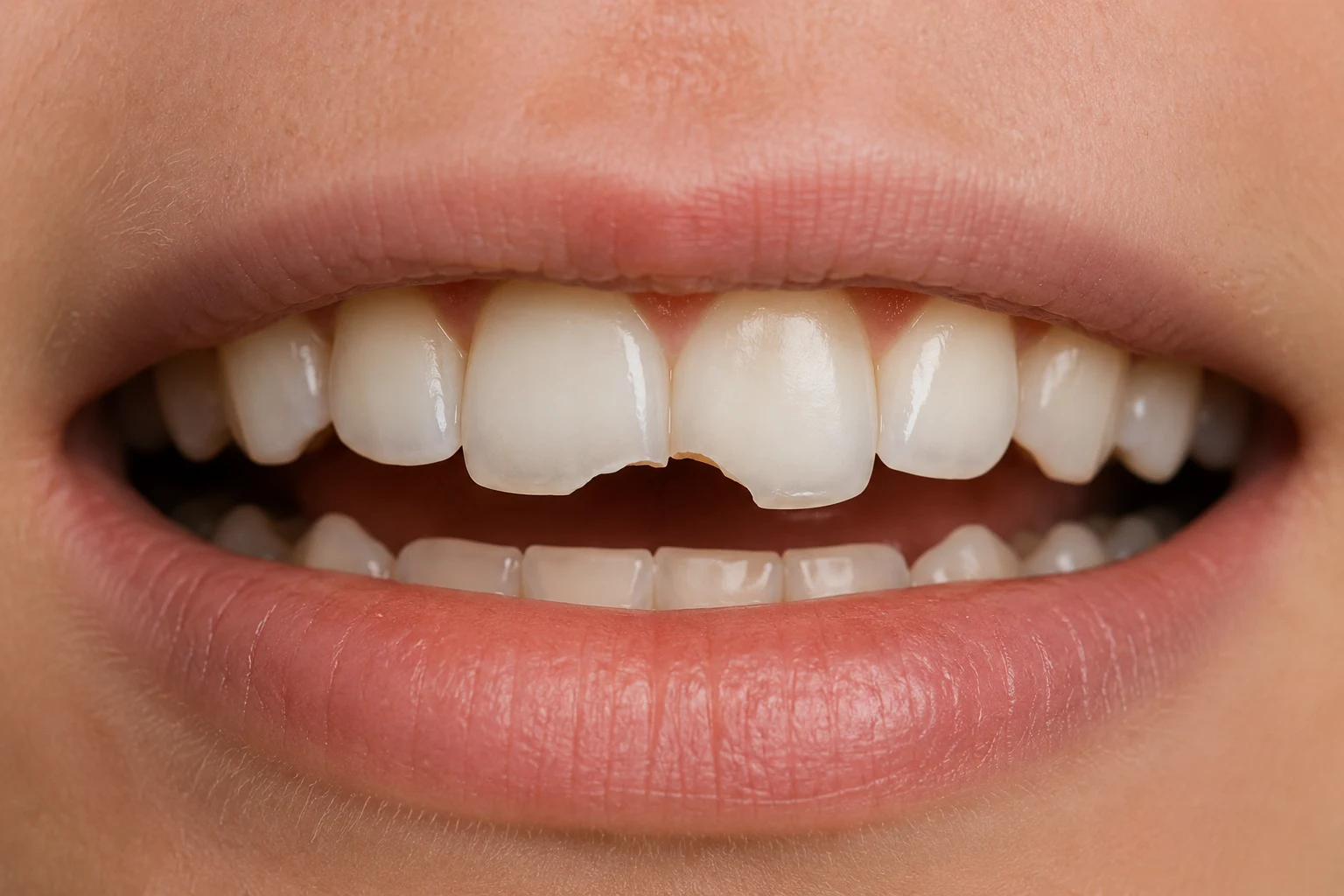
  • Broken or chipped teeth
  • Signs of infection, such as pus or fever

Smiles By Design Dentistry provides emergency dental care (emergency dentist services), ensuring patients receive timely relief.

Conclusion

Dental anxiety is real but manageable. Understanding triggers, practicing coping strategies, and seeking professional support can make dental visits stress-free. Smiles By Design Dentistry in Carmel Mountain Ranch offers sedation options, gentle care, and a supportive environment, helping patients maintain a healthy, confident smile.

Schedule an appointment today at (858) 485-5552 or email info@sbdsd.com.