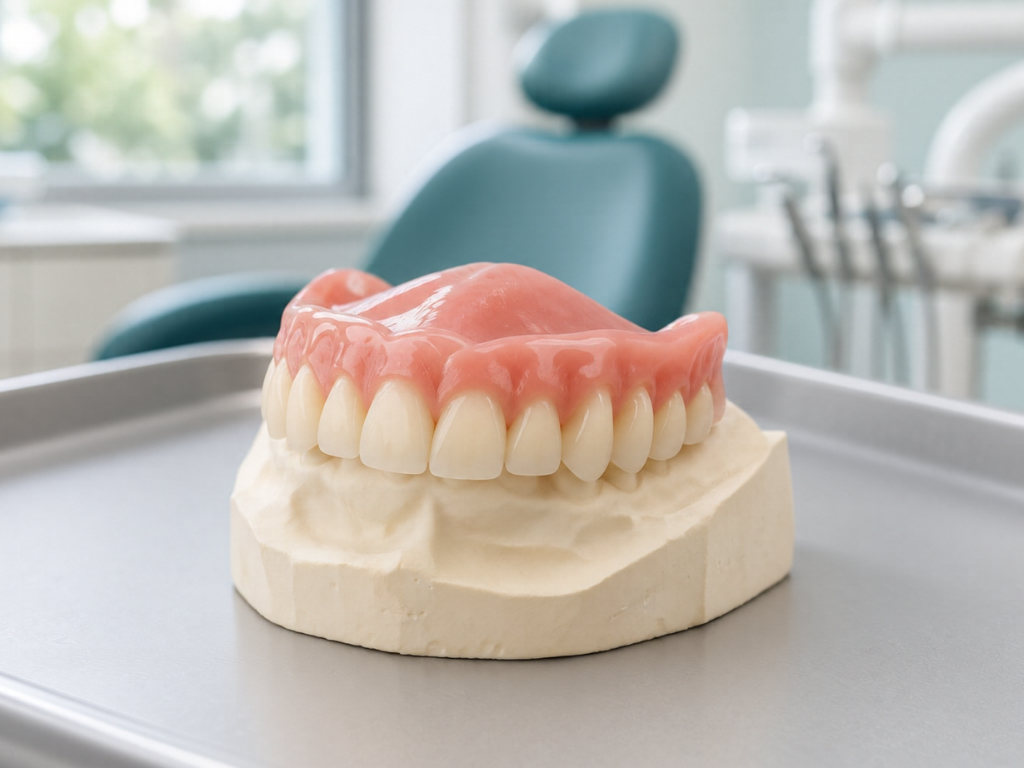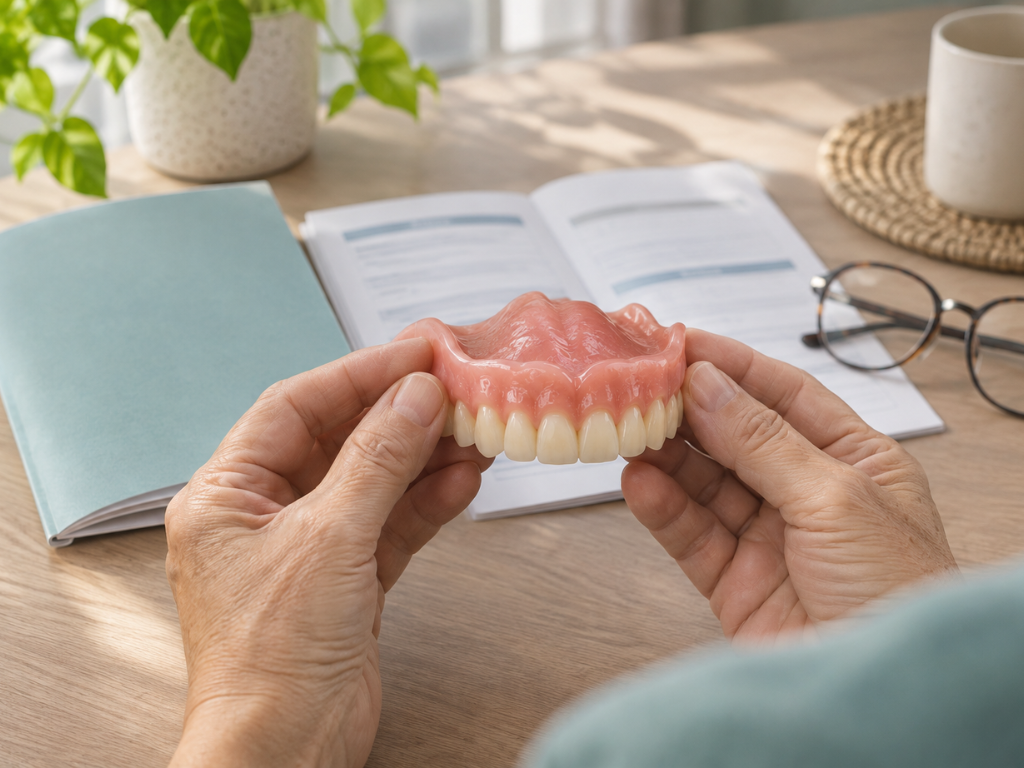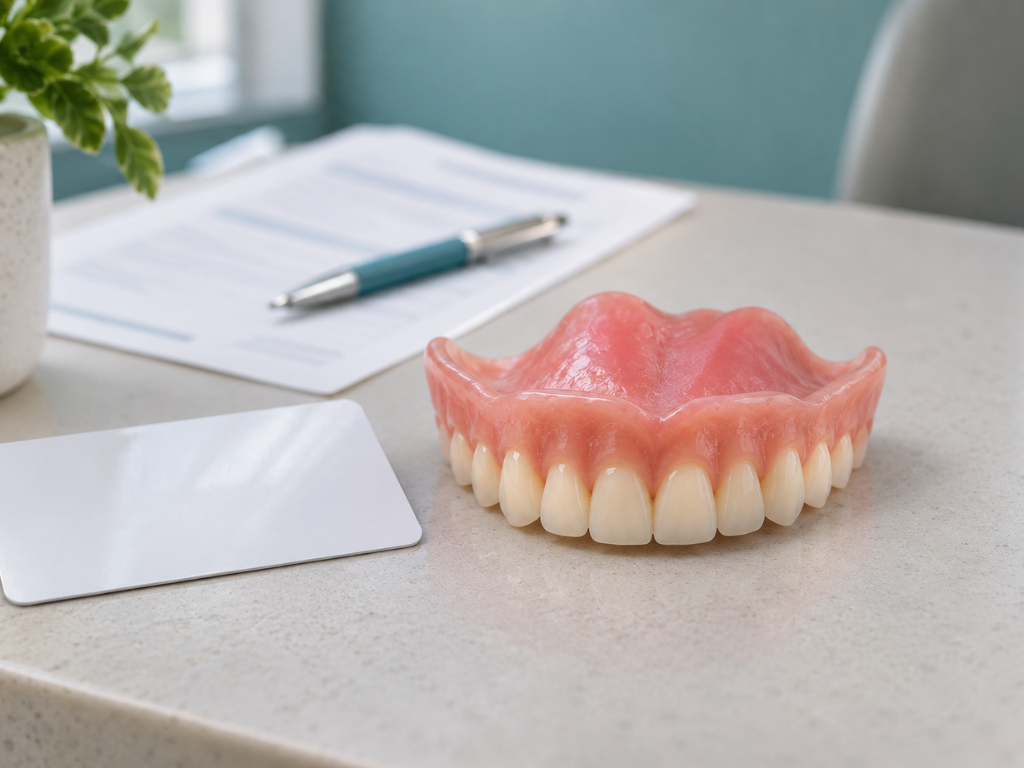
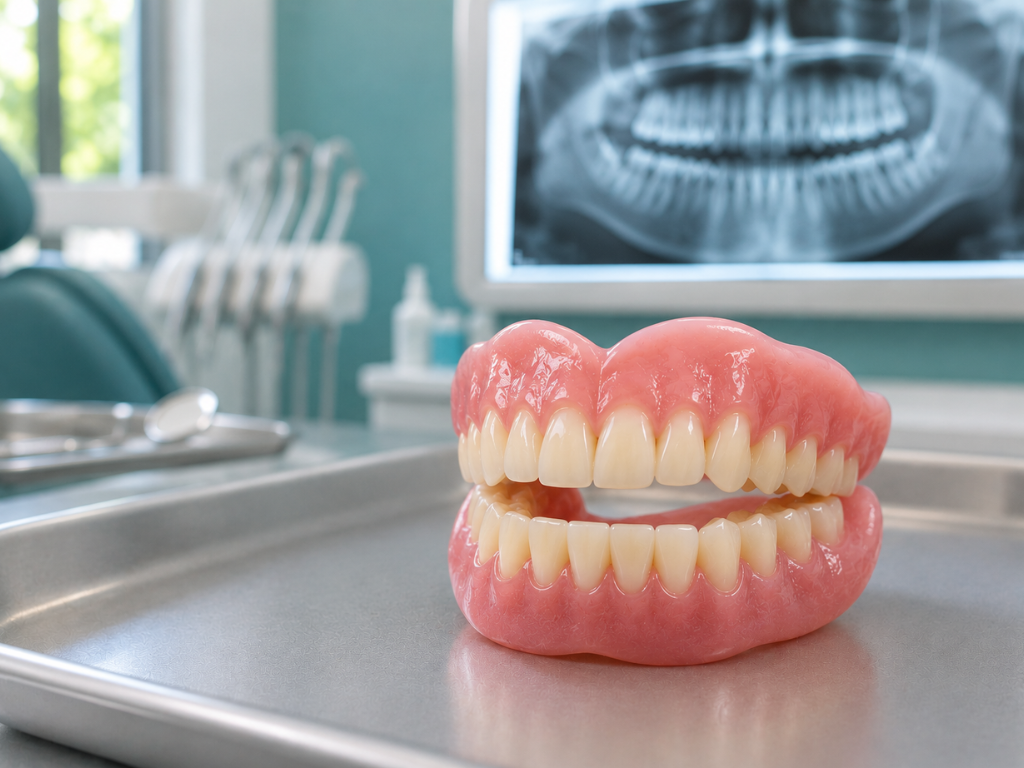


Pulling all teeth for dentures is usually safe when your health is checked first, but it's only the right call if your teeth can't be saved. If you've been told you need a full-mouth extraction, or you're tired of dental problems, remember this can't be undone.
Our dental implant options page covers the alternatives to a standard denture. Smiles By Design Dentistry of San Diego in Carmel Mountain Ranch takes a conservative approach to removing teeth.
Only when your remaining teeth can't be saved, or keeping them would do you more harm. A denture replaces missing teeth, but it falls well short of healthy ones. Even a well-made set gives you about a fifth to a quarter of your natural chewing power. Whether you then choose immediate dentures or wait is a second decision, and this one comes first.
Signs it may be the right call:
Signs you should keep some teeth:
That last one is the mistake we'd stop you making. Healthy teeth can hold a partial steady and share your bite, and you can't get them back. Your jawbone also keeps shrinking once your teeth are gone, so each later denture tends to be harder to wear.
To give you a straight answer, we'd need to check each tooth, your gums and your X-rays. Our dentures in San Diego page covers the options we'd compare with you.
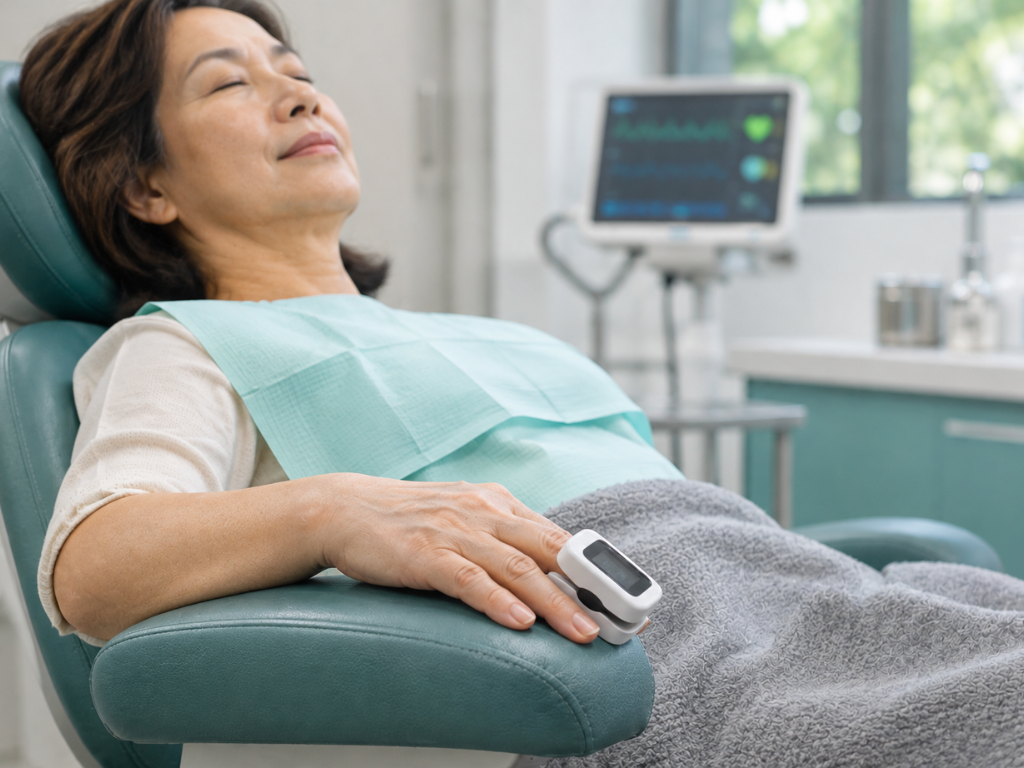
Not usually, if you're in reasonable health and the plan fits you. There's no set limit on how many teeth can come out in one visit, and upper and lower teeth can go the same day. More extractions do mean more swelling, more bleeding, longer sedation and a slower recovery.
The risks are the ones you'd face with any extraction, multiplied. They include heavy bleeding, infection, dry socket, where the clot is lost and bone is left exposed, and numbness that can last six weeks or longer. Serious problems are uncommon, and they tend to follow medical conditions that weren't planned for.
If your health is complicated, we'd split the work across visits or refer you to an oral surgeon, who can give deeper anesthesia with more monitoring. Full-mouth extractions are often done that way, so don't take a referral as bad news.
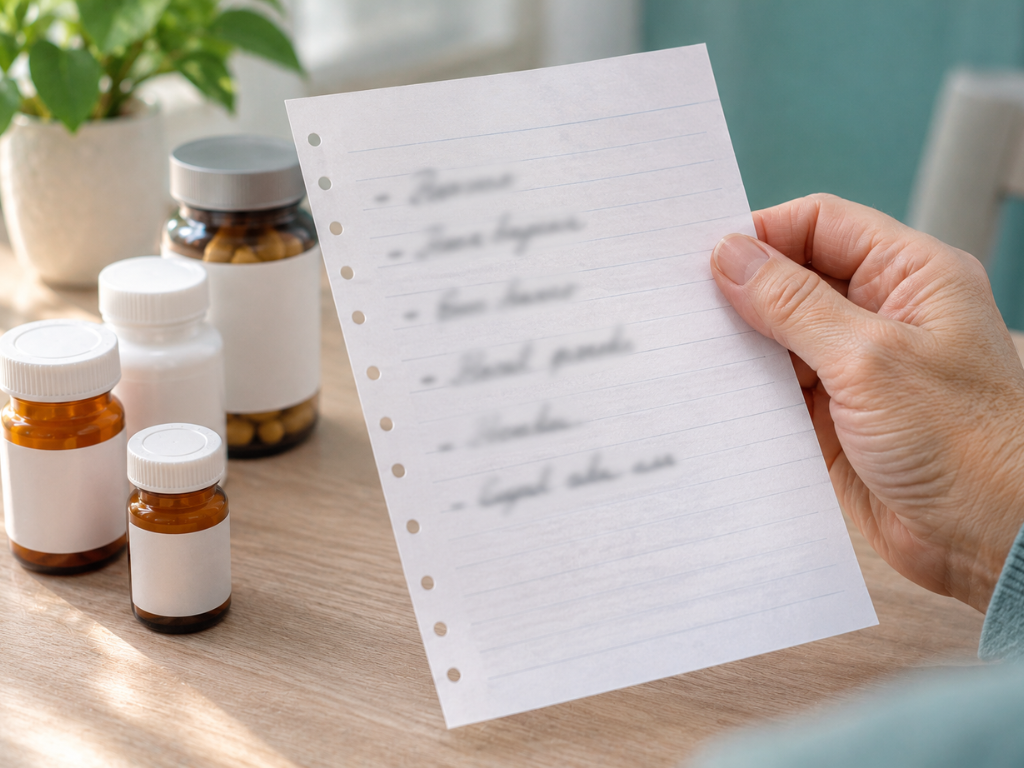
Tell us every medication you take and every condition you've been treated for, because your medical history shapes the whole plan. Bring a written list, including supplements.
If you take blood thinners, don't stop them on your own. American Dental Association guidance is that the typical patient doesn't need to, because we can control bleeding at the site with pressure, stitches and clotting materials. If your bleeding risk is higher, any change gets made with your doctor.
If you've taken bone medications such as bisphosphonates, tell us before anything is booked. They carry a very small risk of a jawbone healing problem after extractions, so keep taking them and let us assess your case.
If you have an artificial heart valve or you've had a heart infection, you may need antibiotics before the extractions. Poorly controlled diabetes slows healing, so we'd want your blood sugar steady first. Smoking does the same and raises your risk of dry socket, so stop before surgery if you can.
You'll be numb with local anesthetic, and you can add sedation on top. You'll feel pressure and movement but no sharp pain. For a whole arch, we'd look at IV sedation, because you stay relaxed through a long visit while we monitor your vital signs. Our page on sedation for extractions covers the options, and you'll need someone to take you home.
Once the teeth are out, the alveolar ridge, the bony ridge that held your teeth, may be smoothed so a denture can sit comfortably on it. The sockets are closed with sutures where needed, and those either dissolve in one to two weeks or come out at a follow-up visit after 7 to 10 days. If you chose immediate dentures, they go in before you leave.
The same day with immediate dentures, or about six to eight weeks at the earliest with a conventional denture. That conventional denture wait costs less than the immediate route, and you'll usually need fewer adjustments. It often still needs a reline or remake within the first year, because your bone keeps changing.
Six months of healing gives you the best chance of a first-year fit with no reline, but that's a long time without teeth. A conventional denture then takes several more weeks to make.
If you can't be seen without teeth, go with same-day placement. If you can stay home for a couple of months, start at six to eight weeks. Wait the full six months only if you're comfortable without teeth and a stable fit matters more to you.
Yes on the first night, if you have immediate dentures, because we ask you to leave them in for 24 hours. That protects the sockets and helps control bleeding and swelling. Taking them out too early can also mean they won't go back in once your gums swell.
After that, you'll move to sleeping without them, usually within the first week, and we'll tell you when. Your gums and jawbone need at least four to eight hours of rest a day, or you risk irritation and infection. Our immediate denture aftercare page covers the first days.
Expect your gums to settle in about two to three weeks, while the bone keeps changing for several months. Swelling usually peaks around day two or three. Rest for the rest of the first day, and skip rinsing, straws and smoking for the first 24 hours so the clots stay put.
You'll be on soft food at first, and our list of what to eat after extractions makes that easier. Call us the same day if you have:
Swelling that spreads toward your eye or neck, or trouble breathing or swallowing, means the ER right away.
Keep every tooth that can be saved, and remove the rest with a plan built around your health. If your teeth can't be saved and you can't go without teeth, choose same-day placement. If you take blood thinners or bone medications, bring the list before anything is booked. To confirm your plan, we need to see your teeth, gums, X-rays and medical history.
Book a free consultation at Smiles By Design Dentistry in Carmel Mountain Ranch, or call (858) 485-5552.
Extractions average about $177 for a simple one and $363 for a surgical one, per tooth. Your total turns on how many teeth you have and how many need surgery. Sedation and dentures cost extra. Smiles By Design can price your case after an exam and go through your insurance and financing options.
Yes, you can, and some people do while they heal. You'll be limited to soft food, your speech will change, and your face may look sunken around the lips. Those limits wear thin, so Smiles By Design would plan the denture before the extractions, even if it's made later.
Yes, a little, because your lips and cheeks lose the support of your teeth and the bone shrinks over time. A well-made denture restores much of that support, and an immediate denture limits the change early on. Smiles By Design can show you what to expect once we've seen your bite and X-rays.