August 19, 2026
Root Canal vs Dental Implant: Which Is the Better Option in San Diego?


A root canal preserves a natural tooth by removing infected pulp tissue and sealing the internal canal system, allowing the original root to remain anchored in bone. A dental implant replaces a tooth that has been extracted or deemed non-restorable by placing a titanium post into the jawbone, which integrates with bone through osseointegration. When a tooth can be predictably restored and structurally supported, preservation is generally preferred because it maintains the natural periodontal ligament and root function. However, when fracture, decay, or bone loss makes long-term prognosis poor, extraction followed by implant placement may provide greater structural reliability. A comprehensive diagnostic evaluation determines the appropriate option based on restorability, bone health, and long-term stability.
Introduction
When a tooth becomes severely infected, cracked, or structurally compromised, patients are often presented with two primary options: root canal therapy or extraction followed by dental implant placement.
This decision is not simply procedural—it is biological and biomechanical. Dentistry has long operated under the principle that preserving natural tooth structure is ideal when predictably possible. However, advances in implant dentistry now provide reliable alternatives when preservation cannot offer long-term stability.
At Smiles By Design Dentistry of San Diego, treatment planning begins with structural prognosis rather than procedure preference. Understanding how a root canal differs biologically and mechanically from a dental implant is essential to making a responsible long-term decision.
A root canal is a restorative procedure designed to remove infected or inflamed pulp tissue from within a tooth. After removal, the canal system is disinfected, shaped, and sealed with a biocompatible material. A protective crown is typically placed to reinforce the remaining tooth structure.
The goal is preservation of the natural root within the jawbone.
Natural teeth are supported by the periodontal ligament—a specialized connective tissue that anchors the root to the surrounding bone. This ligament allows slight physiologic movement and distributes chewing forces efficiently.
A root canal preserves this ligament and the natural root. While the pulp is removed, the tooth remains functionally integrated with bone through the ligament system.
A dental implant, in contrast, fuses directly to bone without a ligament. Through osseointegration, bone cells attach to the titanium surface, creating rigid stability. While highly durable, implants lack the natural shock-absorbing mechanism of a periodontal ligament.
This biological distinction forms the foundation of the preservation-versus-replacement debate.
Root canal therapy is typically indicated when pulp tissue becomes infected due to:
Implants are indicated when:
The central question is restorability—not infection alone.
A root canal may not be advisable when:
An implant may not be advisable when:
Each option has biological limitations.
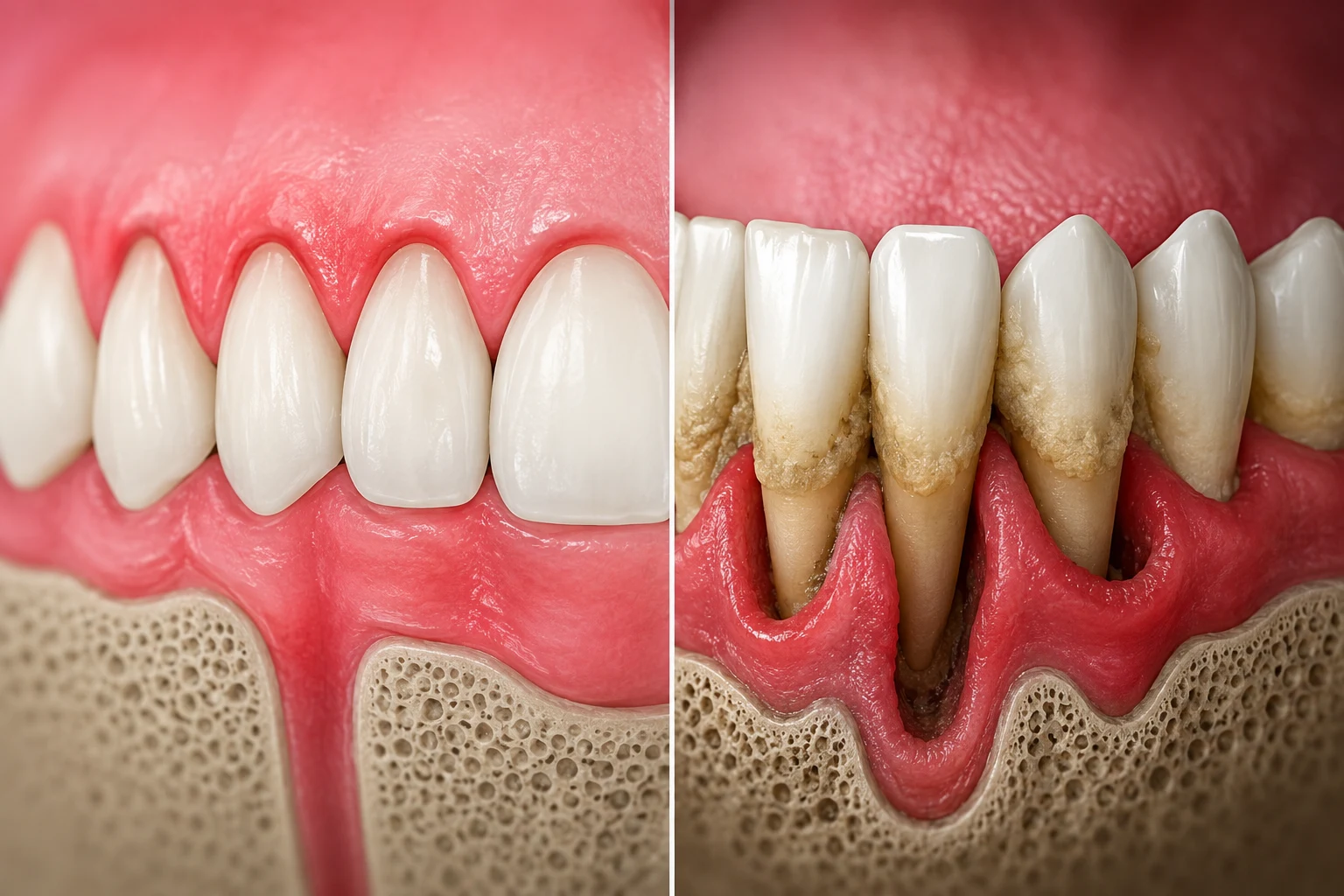
After a root canal, mild tenderness during chewing is common and typically resolves within days. Persistent swelling, radiographic bone loss, or recurrent pain may signal reinfection or structural fracture.
After implant placement, mild surgical soreness is expected. Failure signs include mobility after integration, persistent infection, or peri-implant bone loss.
Distinguishing temporary post-treatment adaptation from structural failure is critical for long-term management.
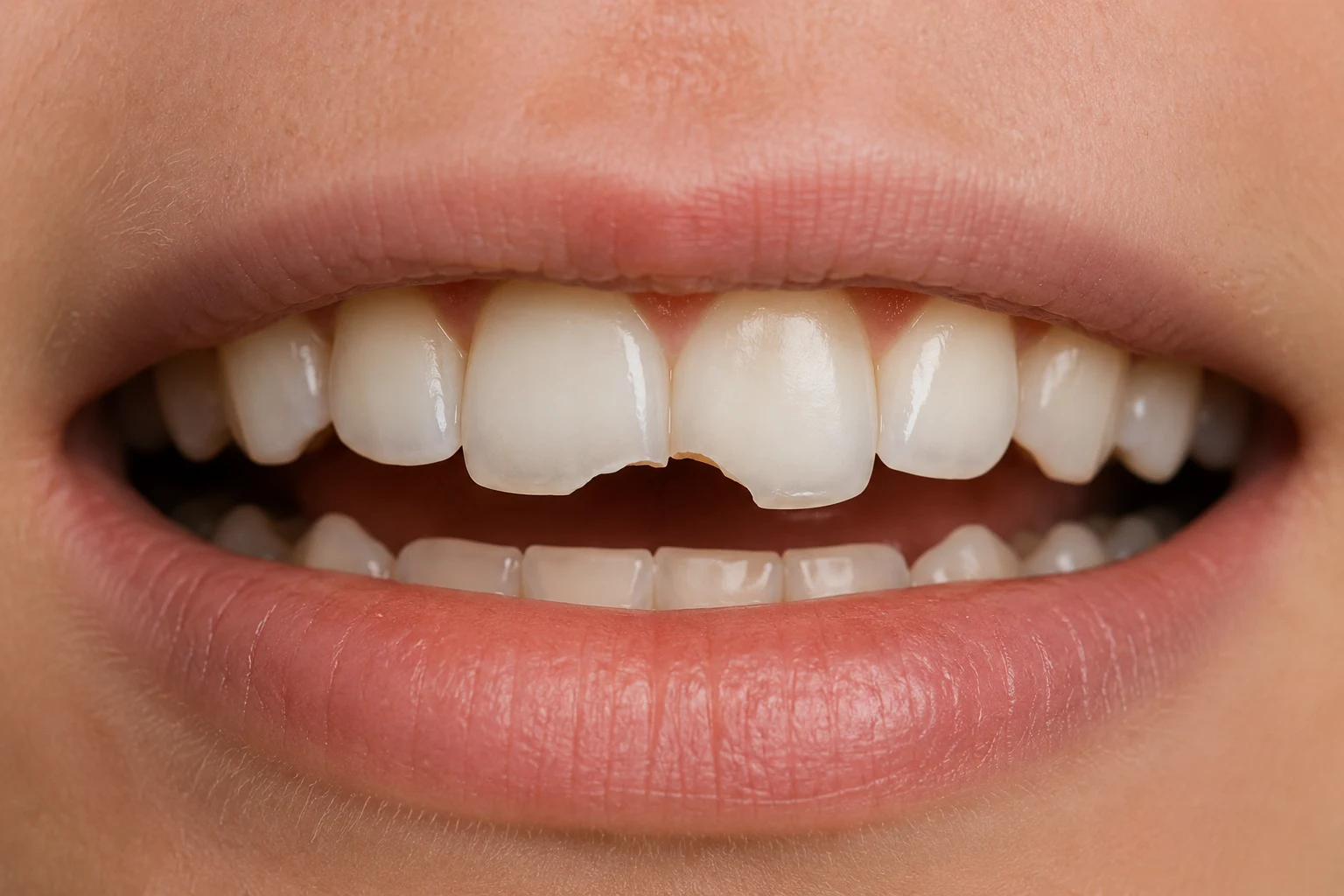
Immediate evaluation is recommended if a tooth exhibits:
Early diagnosis increases the likelihood that a tooth can be preserved through root canal therapy.
Comprehensive decision-making includes:
The determining factor is whether the tooth can be predictably restored for long-term function.
A tooth that cannot support a crown does not benefit from root canal preservation.
Possible treatment pathways include:
Preservation is typically prioritized when structural stability is achievable.
The infected pulp is removed under anesthesia. The canal system is disinfected and sealed. A crown is placed to reinforce the tooth and distribute occlusal forces.
Healing is relatively rapid, and chewing function is restored quickly.
The tooth is extracted. A titanium implant is surgically inserted into bone. A healing period of several months allows osseointegration. An abutment and crown are later attached.
Implants require longer treatment timelines due to surgical healing.
Root canal risks include:
Implant risks include:
While implants have high success rates, they involve surgical risk not present in root canal therapy.
Well-restored root canal-treated teeth can last decades. Studies show survival rates exceeding 85–90% over 10 years when properly restored.
Dental implants demonstrate survival rates exceeding 90–95% over similar timeframes in healthy patients.
Preservation maintains natural ligament function and proprioception.
Implants preserve bone but replace natural structure entirely.
Longevity depends more on case selection than procedure category.
Root canal-treated teeth require:
Implants require:
Maintenance discipline affects both outcomes.
Preserves the natural tooth
Root Canal: Yes — the existing tooth structure and root remain in place.
Dental Implant: No — the natural tooth is removed and replaced with an artificial implant.
Surgical extraction required
Root Canal: No — the infected pulp is removed while the tooth stays in the mouth.
Dental Implant: Yes — the damaged tooth must be extracted before implant placement.
Periodontal ligament retained
Root Canal: Yes — the natural ligament that connects the tooth to bone remains.
Dental Implant: No — implants integrate directly with bone and do not have a ligament.
Bone preservation
Root Canal: Maintains the natural tooth root, which helps preserve surrounding bone.
Dental Implant: Preserves bone through osseointegration of the implant.
Healing time
Root Canal: Typically shorter recovery time.
Dental Implant: Longer healing period due to surgical placement and bone integration.
Longevity
Root Canal: With proper restoration and care, the treated tooth can last decades.
Dental Implant: Implants commonly last 15–25 years or longer with maintenance.
Risk of reinfection
Root Canal: Possible if bacteria re-enter through a compromised restoration.
Dental Implant: Low risk once the implant successfully integrates with bone.
Root canals are not inherently painful; modern anesthesia controls discomfort.
Implants are not automatically superior; preservation may be preferable.
Extraction is not simpler long-term if preservation is viable.
A failed root canal does not always mean extraction is required.
Balanced understanding prevents premature tooth removal.
Choosing between a root canal and a dental implant requires careful evaluation of restorability, bone biology, occlusal forces, and long-term prognosis. When a natural tooth can be predictably restored, preservation is often advantageous. When structural compromise limits durability, implant replacement may provide stable function. Comprehensive diagnosis remains the foundation of responsible treatment planning.
Is a root canal better than an implant?
If a tooth is restorable and structurally sound, preservation is generally preferred.
Do implants last longer than root canals?
Both can last decades when properly planned and maintained.
Is a root canal less expensive?
Initial cost is often lower, but long-term outcomes depend on structural integrity.
Can a failed root canal be replaced with an implant?
Yes. Extraction and implant placement may follow unsuccessful retreatment.
Dr. Dan Javaheri, a graduate of the New York University College of Dentistry, emphasizes that preservation of natural tooth structure remains a priority whenever prognosis supports it. With certification through the California Academy of Implant Dentistry and extensive experience in restorative and implant dentistry, he evaluates fracture patterns, remaining tooth structure, and bone health before recommending extraction. Research involvement associated with the National Institutes of Health and UC Davis Medical Center reflects an evidence-based approach to complex treatment decisions. At Smiles By Design Dentistry of San Diego, root canal versus implant planning is individualized based on structural predictability and long-term stability rather than procedural preference.