

Tooth pain, sensitivity, or swelling can be signs of an underlying dental infection. One of the most common and effective treatments for saving a damaged or infected tooth is a root canal. Despite its reputation, modern root canal treatment is a routine and highly successful procedure that relieves pain and preserves natural teeth.
Understanding what a root canal is, how it works, and how it compares to tooth extraction helps patients make informed decisions about their oral health.
A root canal is a dental procedure used to treat infection or inflammation inside a tooth. The inner part of the tooth, known as the pulp, contains nerves, blood vessels, and connective tissue. When this pulp becomes infected due to deep decay, cracks, trauma, or repeated dental procedures, a root canal is often necessary.
During a root canal procedure, the dentist carefully removes the infected pulp, cleans and disinfects the inner canals of the tooth, and then fills and seals them to prevent future infection. After the root canal, the tooth is typically restored with a dental crown to protect its structure and restore full function.
The primary goal of a root canal is to save the natural tooth. Keeping the original tooth helps maintain proper bite alignment, chewing efficiency, and jawbone health. With modern techniques and anesthesia, root canal treatment is generally no more uncomfortable than receiving a standard filling.
A root canal is recommended when the pulp inside the tooth becomes infected or damaged. Common symptoms include persistent tooth pain, sensitivity to hot or cold, swelling of the gums, discoloration of the tooth, or pain when chewing. In some cases, infection may be present without noticeable symptoms and is detected during a routine dental exam.
Timely root canal treatment prevents the infection from spreading to surrounding tissues and reduces the risk of more serious oral health complications.
To help support your recovery after a root canal procedure, it’s important to follow proper aftercare guidelines. Our Root Canal Recovery Guide offers helpful tips on managing discomfort, caring for your treated tooth, and ensuring a smooth healing process.
👉 Check out the Root Canal Recovery Guide for detailed post-treatment care.
Tooth extraction is the complete removal of a tooth from its socket in the jawbone. This procedure is typically considered when a tooth is too damaged or decayed to be saved with restorative treatments such as a root canal.
Extractions may be necessary due to severe infection, advanced gum disease, extensive tooth fracture, or overcrowding. While removing the tooth eliminates the immediate problem, it also creates a gap that can affect chewing, alignment, and bone health if not properly addressed.
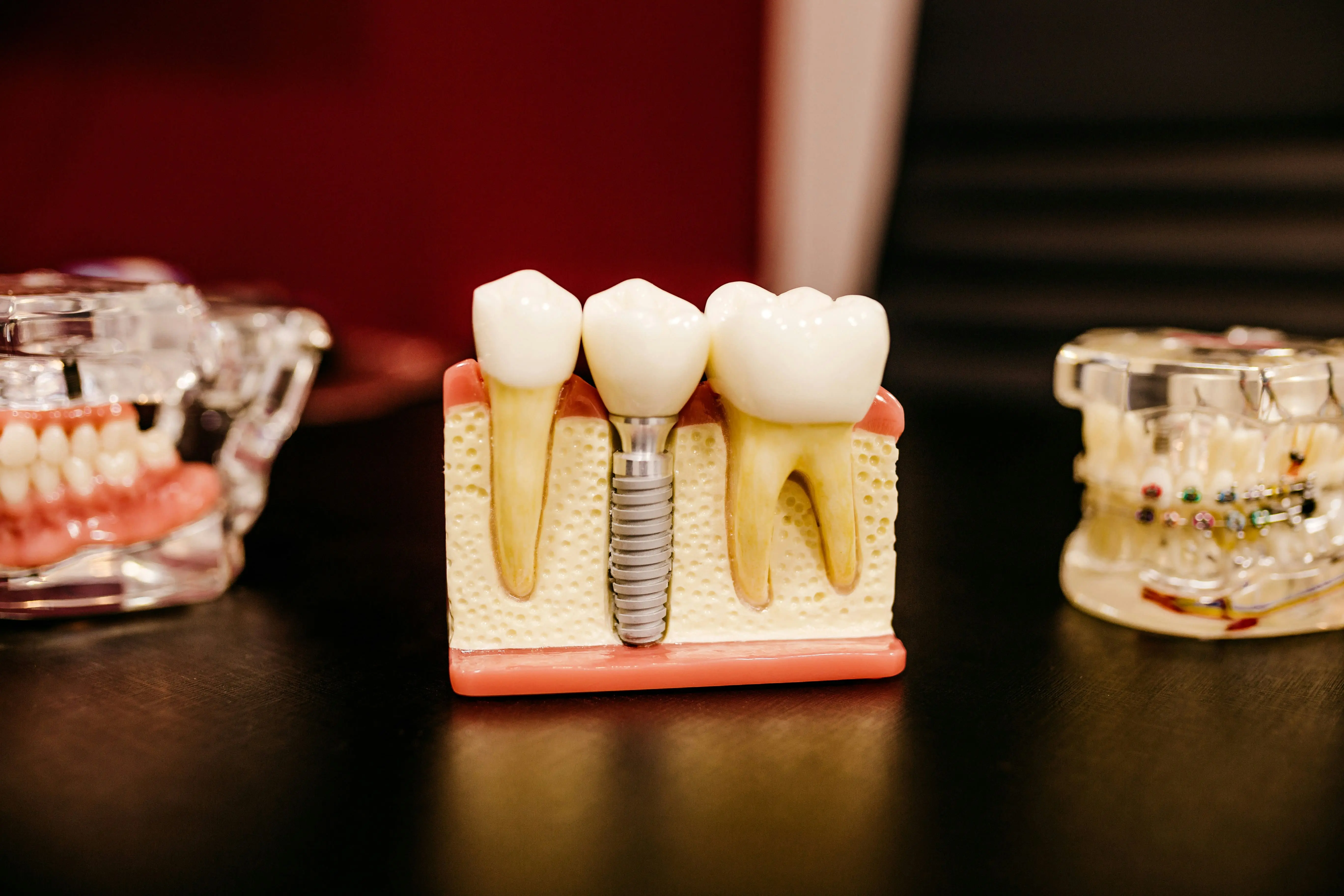
After an extraction, patients are often advised to replace the missing tooth with options such as dental implants or bridges to restore function and prevent bone loss.
A root canal is one of the most common restorative procedures, but many patients feel anxious about the time spent in the dental chair. If you are visiting Smiles By Design Dentistry of San Diego for this treatment, it is helpful to know exactly what to expect regarding the duration of the procedure.
On average, a root canal takes between 30 to 90 minutes per tooth. However, the exact timing depends on the complexity of the tooth being treated and the severity of the infection.
At Smiles By Design Dentistry of San Diego, we prioritize your comfort and use the latest endodontic technology to make the process as efficient as possible. Most patients find that the procedure feels very similar to getting a deep filling.
When deciding between a root canal and tooth extraction, several important factors come into play. Understanding these differences helps patients choose the most appropriate treatment for their situation.
One of the biggest advantages of a root canal is that it preserves the natural tooth. Maintaining the original tooth structure supports natural biting forces and prevents neighboring teeth from shifting. Tooth extraction removes the tooth entirely, which may lead to changes in bite alignment if the space is not restored.
Many patients assume that a root canal is more painful than extraction, but this is a common misconception. Modern root canal procedures are designed to relieve pain caused by infection. In contrast, extraction can lead to post-procedure discomfort during healing, especially if bone and surrounding tissues are affected.
A root canal helps maintain jawbone integrity by keeping the tooth root in place. Tooth extraction, if not followed by a replacement, can lead to bone loss in the jaw and changes in facial structure over time. From a long-term perspective, saving the tooth with a root canal often supports better oral health outcomes.
Root canal treatment usually requires one or two visits, followed by placement of a crown. Tooth extraction may be quicker initially, but additional procedures such as implants or bridges may be needed later to replace the missing tooth. These follow-up treatments can extend overall treatment time.
While a root canal and crown may have a higher upfront cost compared to a simple extraction, replacing a missing tooth after extraction often involves additional expenses. When considering long-term function and stability, root canal treatment is frequently a cost-effective solution.
Although root canal treatment is highly effective, it may not be suitable in every case. If a tooth is severely fractured below the gum line or if there is insufficient structure to support a restoration, extraction may be the only option.
A comprehensive dental evaluation is essential to determine whether a root canal can successfully save the tooth or if extraction is necessary.
With proper oral hygiene and regular dental visits, a tooth treated with a root canal can last for many years, often a lifetime. Brushing, flossing, and routine checkups help prevent future issues and protect the restored tooth.
At Smile by Design, root canal treatment is approached with precision, comfort, and patient education in mind. The goal is always to preserve natural teeth whenever possible and provide long-term oral health solutions.
By understanding what a root canal is and how it compares to tooth extraction, patients can feel confident in choosing the treatment that best supports their smile and overall dental health.
Modern root canal treatment is typically no more uncomfortable than getting a filling. Local anesthesia is used to keep the procedure as pain-free as possible.
Most root canal treatments can be completed in one or two appointments, depending on the severity of the infection and the tooth being treated.
After the procedure, the tooth may feel slightly sensitive for a few days. In many cases, a dental crown is placed to protect the treated tooth and restore its strength.
With proper care and restoration, a tooth that has had a root canal can last many years, often a lifetime.
Yes, root canal treatment is a safe and commonly performed procedure with a high success rate.
Maintain good oral hygiene, avoid chewing on the treated tooth until it’s fully restored, and attend follow-up dental appointments as recommended.
You should contact your dentist if you experience severe pain, swelling, or discomfort that does not improve after a few days.
Root canal treatment can relieve pain, stop infection, and save your natural tooth. If you’re experiencing tooth sensitivity, discomfort, or swelling, a professional evaluation is the best next step.
Schedule a consultation today to find out if a root canal is the right solution for your dental health.
For patients across San Diego, Smiles By Design Dentistry provides expert care to remove plaque and tartar, protect your gums, and maintain a healthy smile. Schedule an appointment today at (858) 485-5552 or email info@sbdsd.com to take the first step toward healthier gums.