
January 17, 2026
Dental Bridge vs Implant: Understanding Your Tooth Replacement Options


Replacing missing teeth is essential not only for aesthetics, but also for maintaining proper oral function and long-term dental health. When patients explore fixed tooth replacement options, the most common comparison is dental bridge vs implant. While both treatments aim to restore the appearance and function of natural teeth, they differ significantly in structure, longevity, and impact on overall oral health.
Understanding how each option works helps patients make informed decisions based on their individual needs, oral health condition, and long-term expectations.
A dental bridge is a fixed dental restoration used to replace one or more missing teeth. As the name suggests, it “bridges” the gap left by a missing tooth. A traditional dental bridge consists of an artificial tooth, known as a pontic, which is held in place by dental crowns attached to the adjacent natural teeth.
To place a dental bridge, the neighboring teeth must be reshaped to support the crowns. Once the bridge is cemented in place, it becomes a non-removable restoration that restores chewing ability, speech clarity, and smile appearance.
Dental bridges are often chosen when the surrounding teeth are already in need of crowns or when patients prefer a faster, non-surgical solution. Treatment time is typically shorter than implant therapy, making dental bridges an attractive option for some patients.
However, dental bridges rely heavily on the health and strength of adjacent teeth. If these supporting teeth weaken over time due to decay or gum disease, the stability of the bridge may be compromised.
A dental implant is a tooth replacement solution that replaces both the missing tooth and its root. The implant itself is a small titanium post surgically placed into the jawbone. This post integrates with the bone through a natural process called osseointegration, creating a stable foundation for a replacement tooth.
Once healing is complete, an abutment is attached to the implant, followed by a custom dental crown. The result is a restoration that looks, feels, and functions like a natural tooth.
Dental implants are widely regarded as the most comprehensive tooth replacement option because they do not rely on neighboring teeth for support. Instead, they preserve jawbone density and help maintain natural facial structure.
Although implant treatment requires surgery and a longer treatment timeline, dental implants are designed for long-term durability and often last decades with proper care.
To learn more about dental implant costs and review dental implant guide details, click below for comprehensive information about your treatment options.
When comparing dental bridge vs implant, several important factors should be considered, including longevity, oral health impact, treatment process, and maintenance requirements.
Dental implants are generally considered the longer-lasting option. With good oral hygiene and regular dental visits, implants can last 20 years or more, and often a lifetime. Dental bridges, on the other hand, typically last between 10 and 15 years before needing replacement or repair.
One of the most significant differences in the dental bridge vs implant comparison is how each treatment affects neighboring teeth. A dental bridge requires the preparation of adjacent teeth, which may involve removing healthy tooth structure. Dental implants stand independently and do not alter surrounding teeth.
Dental implants stimulate the jawbone in the same way natural tooth roots do, helping to prevent bone loss. Dental bridges do not provide this stimulation, which can lead to gradual bone resorption in the area of the missing tooth over time.
Dental bridges usually require fewer appointments and no surgery, making them a faster solution. Dental implants involve a surgical phase and a healing period, which can extend treatment time over several months. However, this additional time supports long-term stability.
Both dental bridges and implants require diligent oral hygiene. Bridges require special cleaning techniques under the pontic to prevent plaque buildup. Implants must be kept clean to avoid gum inflammation around the implant site. Regular dental checkups are essential for both options.
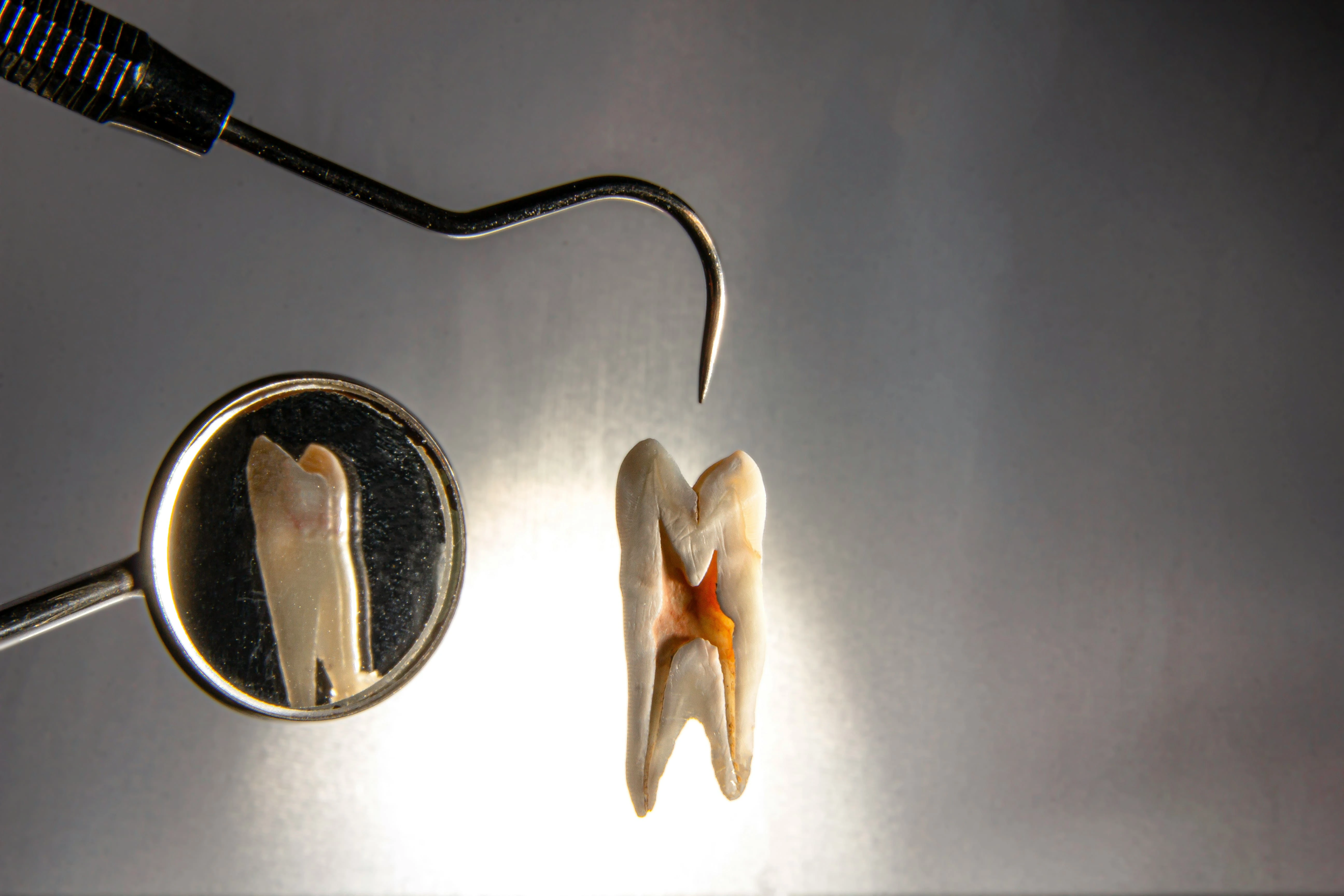
Choosing between a dental bridge vs implant depends on several individual factors. Overall oral health, bone density, gum condition, and personal preferences all play a role. Some patients may prefer the simplicity and shorter timeline of a dental bridge, while others may prioritize the longevity and bone-preserving benefits of dental implants.
Financial considerations may also influence the decision. While dental implants typically involve a higher upfront cost, their long-term durability can make them a cost-effective solution over time.
To ensure proper healing and long-term success after your bridge procedure, it’s important to follow the correct aftercare guidelines. You can review our detailed post-op instructions to learn what to expect, how to care for your restoration, and how to avoid potential complications.
At Smile by Design, every tooth replacement recommendation is based on a comprehensive evaluation and a patient-centered approach. Whether a dental bridge or implant is the right solution, the focus remains on long-term oral health, comfort, and natural aesthetics.
Understanding the differences between dental bridge vs implant empowers patients to make confident decisions about their smiles. With professional guidance and personalized care, both options can successfully restore function and confidence for years to come.
A dental bridge relies on neighboring teeth for support, while a dental implant is placed directly into the jawbone to replace the missing tooth root.
Dental implants typically last longer than bridges. Implants can last decades or even a lifetime with proper care, while bridges usually need replacement after several years.
There is no one-size-fits-all answer. Dental implants offer greater longevity and bone preservation, while bridges may be a quicker and more cost-effective option for some patients.
Dental bridges require reshaping of adjacent teeth to support the bridge. Implants do not affect neighboring teeth, which is a key advantage.
Both dental bridges and implants can look very natural when properly designed. However, implants often feel more like natural teeth because they are anchored in the jawbone.
Yes, dental implants involve a surgical procedure, while dental bridges are non-surgical. However, implants provide a more permanent solution.
The best choice depends on your oral health, bone structure, budget, and personal preferences. A dental consultation is the best way to determine the right option for you.
Choosing between a dental bridge and a dental implant depends on your oral health, lifestyle, and long-term goals. A personalized consultation is the best way to understand which option will provide the comfort, function, and durability you’re looking for.
Schedule a consultation today to explore your tooth replacement options and receive a treatment plan tailored to your needs.