July 27, 2026
How to Care for Your Teeth After Invisalign: Retainers, Habits & Long-Term Results


Completing Invisalign treatment is an important milestone, but achieving straighter teeth is only part of maintaining long-term results. Once the aligners are removed, the focus shifts to keeping your teeth in their corrected positions. Teeth can gradually shift over time, which is why proper post-treatment care is so important.
Wearing your retainer as directed, maintaining good oral hygiene, and following healthy dental habits can help protect the results of your treatment and maintain your smile for years to come.
Understanding what to expect after Invisalign treatment and how to care for your teeth can make an important difference in preserving your results over the long term.
Many patients assume that treatment is complete once the aligners are removed. However, the bone and tissues surrounding the teeth need time to adapt to their new positions.
Without proper retention and follow-up care, teeth may gradually shift toward their previous positions. This is known as orthodontic relapse and can affect both the appearance of your smile and your bite alignment.
Following the recommended post-treatment care plan helps maintain the results achieved with Invisalign San Diego treatment while also supporting long-term oral health.
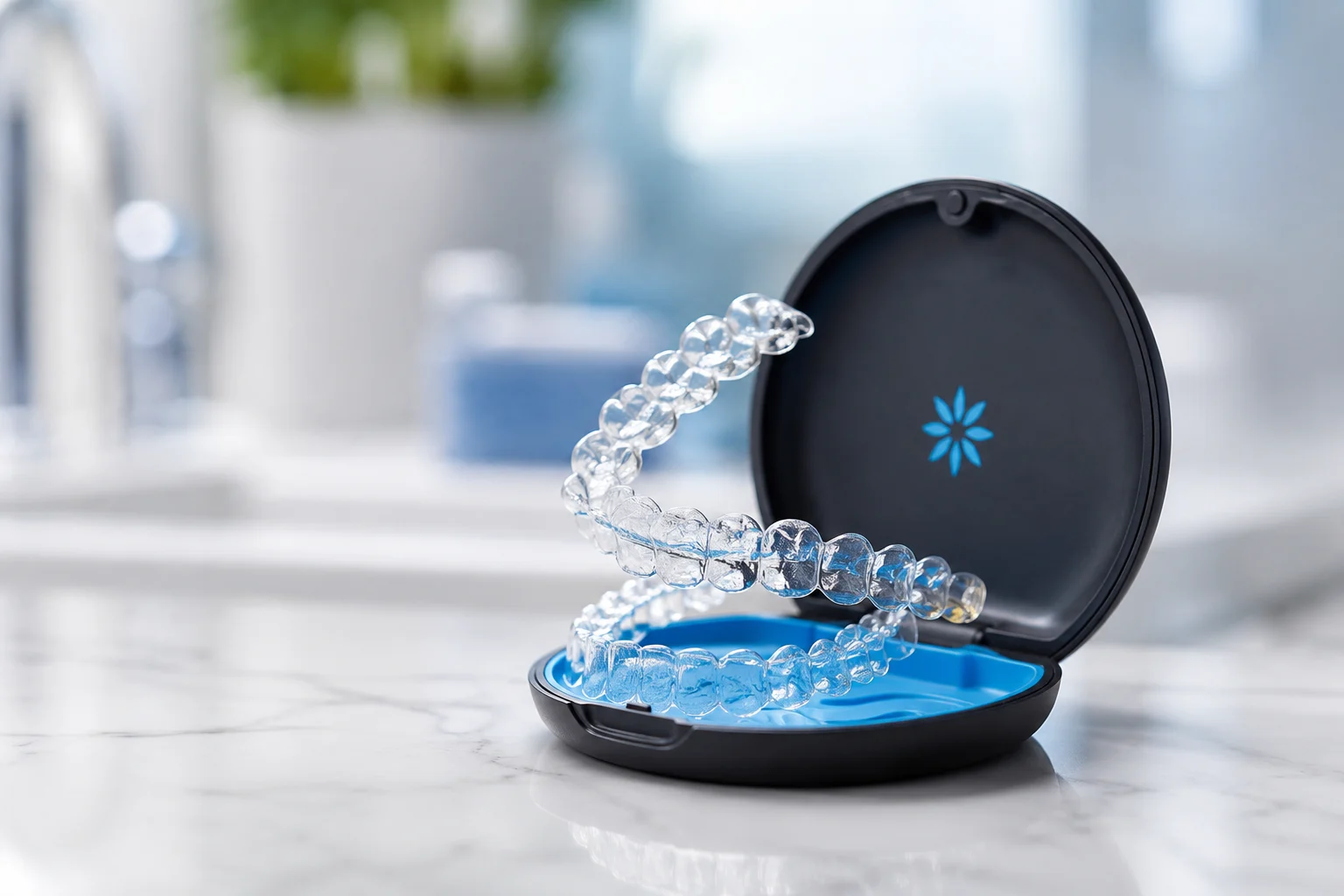
Retainer wear is one of the most important parts of post-Invisalign care. A retainer helps keep your teeth in their corrected positions while the surrounding bone and tissues continue to stabilize.
Your dentist or orthodontist will provide specific instructions about how often and how long you should wear your retainer. The recommended schedule varies by patient, but many people begin with more frequent wear before transitioning to nighttime use.
To keep your retainer in good condition:
Inconsistent retainer use is a common reason teeth may begin to shift after orthodontic treatment. Following your recommended wear schedule can help maintain your results.
Straightened teeth may be easier to clean, but consistent oral hygiene remains important after Invisalign treatment.
Continue these daily habits:
Maintaining good oral hygiene helps protect your teeth and gums and supports the long-term appearance of your smile.
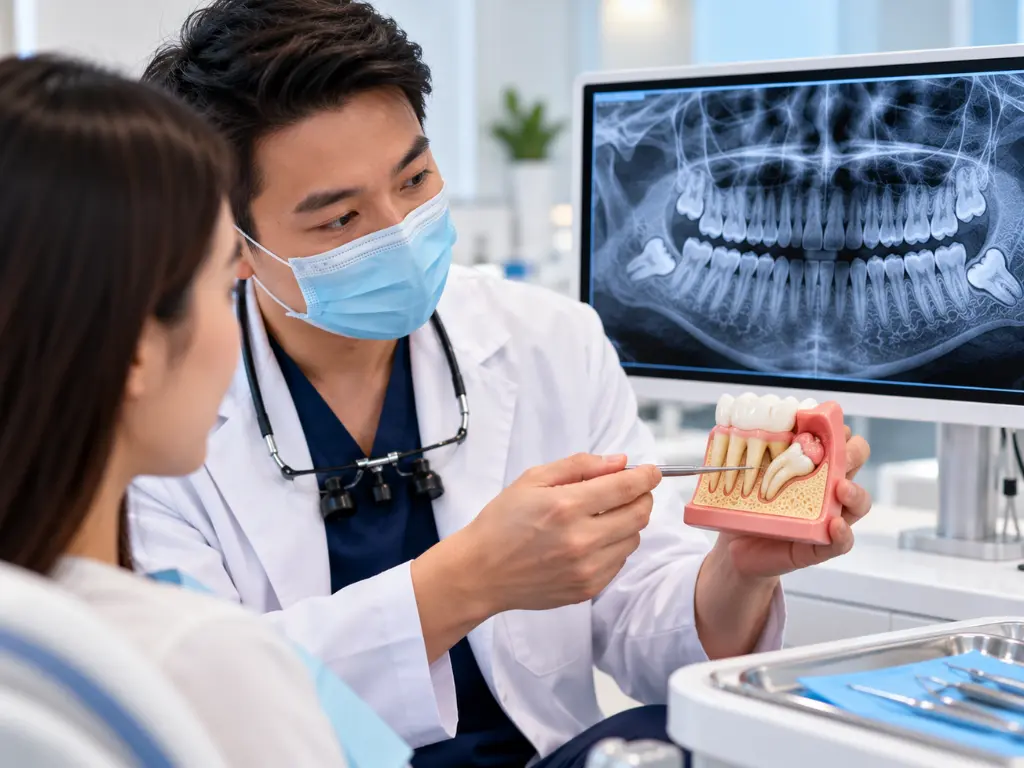
Continue attending routine dental checkups and cleanings. These visits allow your dentist to monitor your oral health, evaluate your bite and tooth alignment, and identify potential concerns before they become more serious.
Teeth grinding or clenching can place unnecessary pressure on your teeth and may contribute to wear or changes in alignment over time.
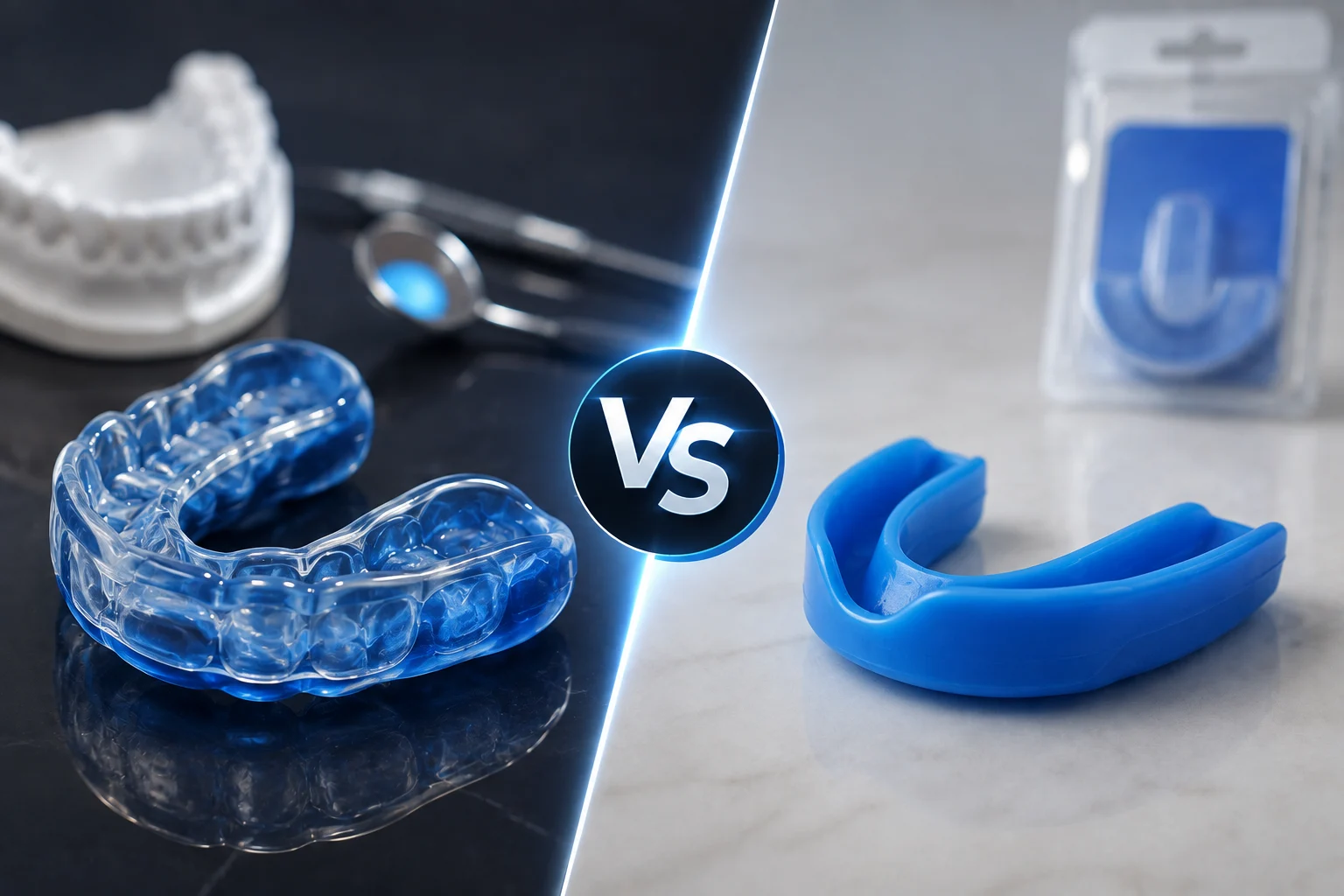
If you grind or clench your teeth, your dentist may recommend a night guard to help protect your teeth from grinding-related forces during sleep.
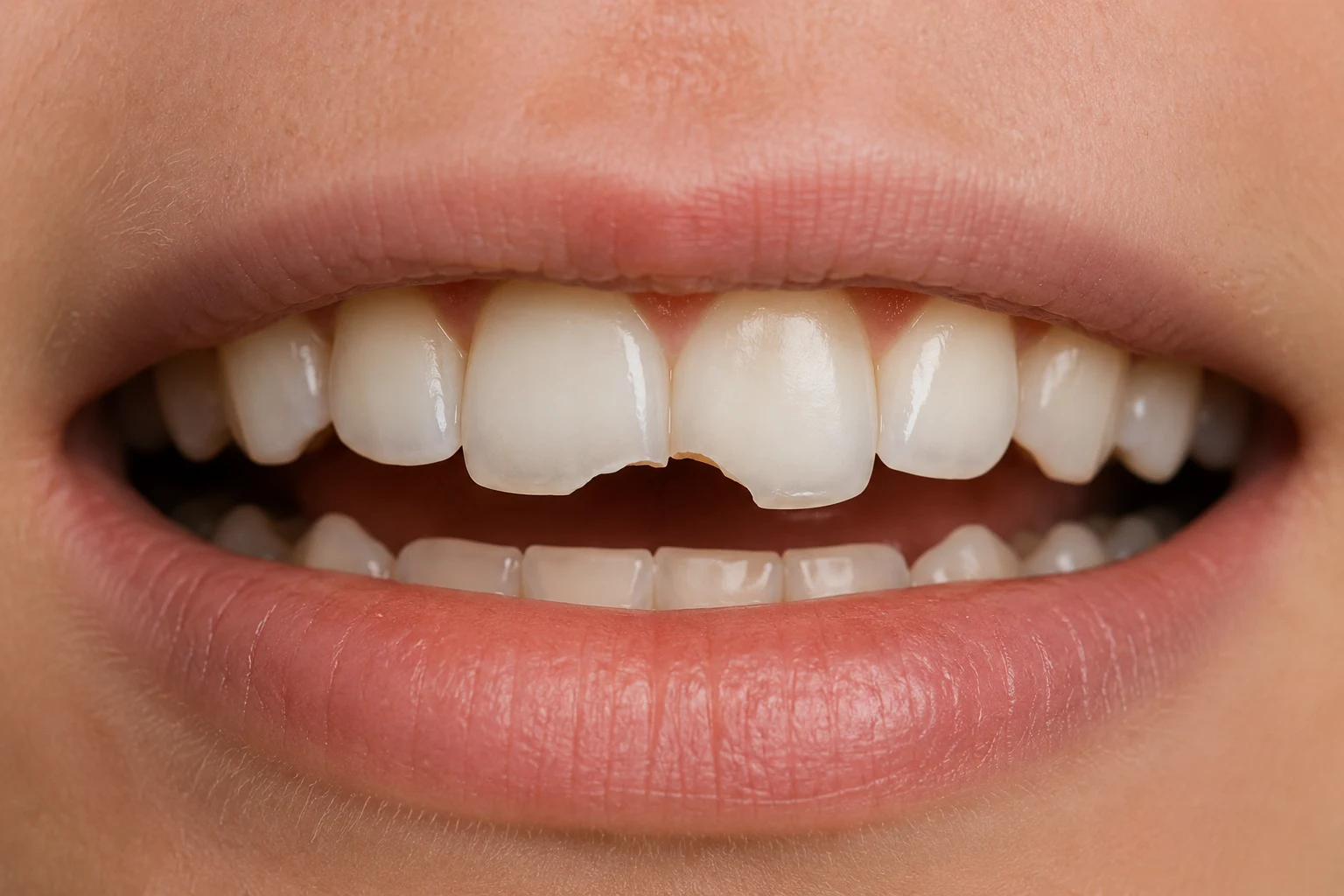
Avoid using your teeth to open packages, bite your nails, or chew on hard objects. These habits can place unnecessary stress on the teeth and may increase the risk of chips, cracks, or damage to dental restorations.
Skipping retainer wear, even occasionally, may allow your teeth to begin shifting. Consistent retainer use according to your dentist’s or orthodontist’s instructions is one of the best ways to help maintain your treatment results.
Some minor dental changes can occur naturally over time. However, certain signs may indicate that your teeth are beginning to shift from their corrected positions.
Watch for:
If you notice any of these changes, contact your dentist or orthodontist for an evaluation. Early attention may help prevent more noticeable movement.
Invisalign results can often be maintained long term when patients follow their recommended retention schedule and maintain good dental habits.
How long your results remain stable may depend on several factors, including:
Long-term retainer use and regular dental monitoring can help reduce the risk of orthodontic relapse.
Related Blog Posts:
Completing Invisalign treatment is an important achievement, but maintaining your results requires continued care. Wearing your retainer consistently, practicing good oral hygiene, and attending routine dental appointments can help preserve your tooth alignment and support long-term oral health.
At Smiles By Design Dentistry of San Diego, patients receive ongoing guidance and support after Invisalign treatment to help maintain their results over time.
Whether you have questions about retainers, post-treatment care, or how to maintain your results after Invisalign, our team can help you understand the steps needed to protect your smile.
You can also learn more about the long-term value of treatment in our guide to Invisalign costs and investment.
Yes. Retainers help maintain the corrected positions of your teeth after Invisalign treatment.
Your dentist or orthodontist will provide a schedule based on your individual needs. Many patients begin with more frequent wear before transitioning to nighttime use.
Without consistent retainer use, teeth may gradually shift toward their previous positions, a process known as orthodontic relapse.
A tight retainer may indicate that your teeth have moved slightly. Contact your dentist or orthodontist if tightness persists or the retainer no longer fits properly.
Clean it regularly, store it in a protective case, avoid excessive heat, and replace it if it becomes damaged or excessively worn.
Yes. Teeth naturally remain capable of shifting after orthodontic treatment, which is why long-term retention is important.
Possible signs include new spacing, returning crowding, bite changes, a tight-fitting retainer, or noticeable changes in tooth position.
Grinding and clenching may place additional forces on the teeth. Your dentist may recommend a protective appliance if bruxism is a concern.
Results can often be maintained long term with consistent retainer use, good oral hygiene, and regular dental monitoring.
Yes. Routine dental visits remain important for monitoring your oral health, bite, tooth alignment, and dental hygiene.