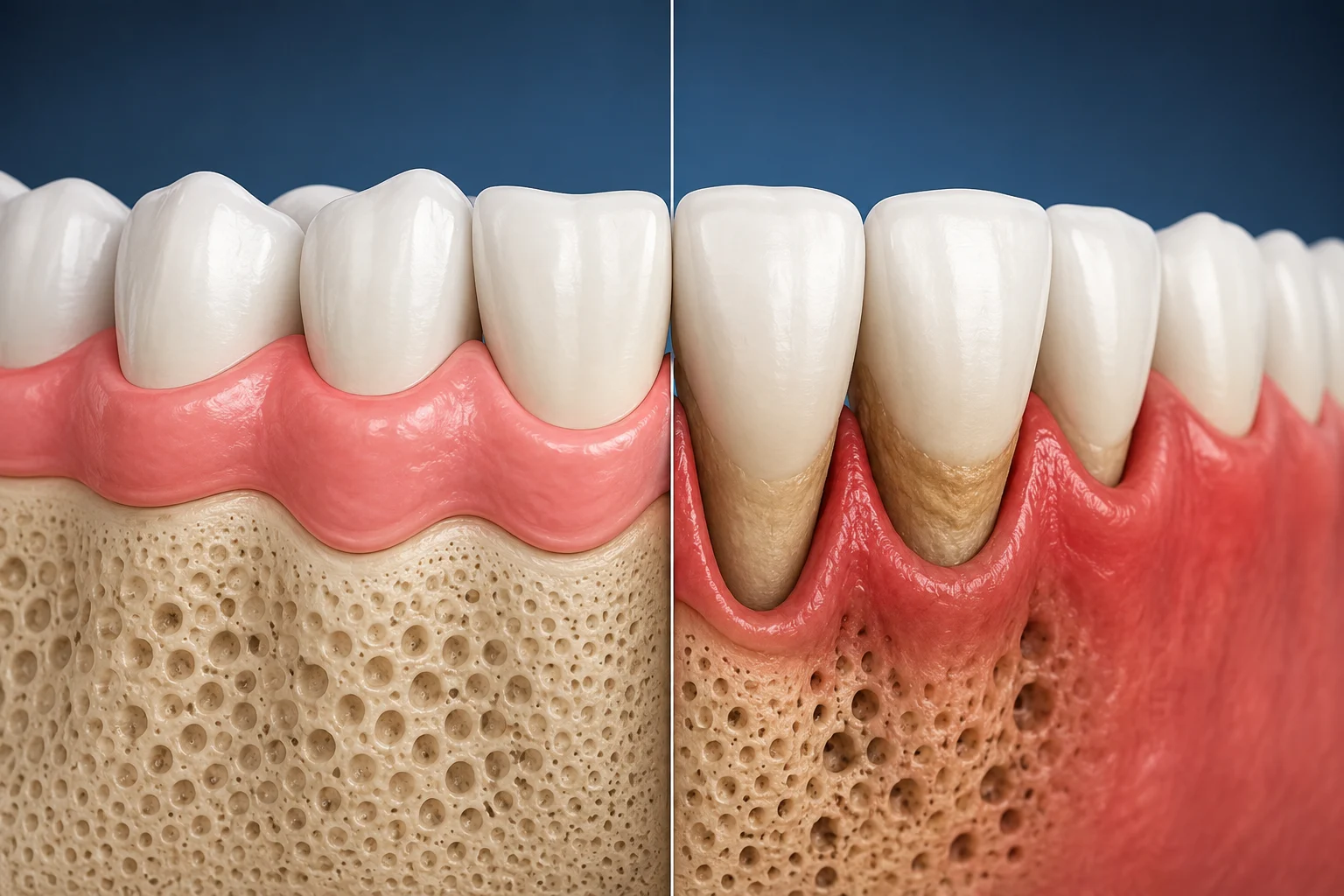


Dental bone loss is a condition that affects the jawbone supporting your teeth. Because it often develops gradually, many people may not notice a problem until significant changes have already occurred. If left untreated, dental bone loss may contribute to loose teeth, changes in facial appearance, and eventual tooth loss.
Understanding the causes of dental bone loss, recognizing potential warning signs, and knowing which treatment options are available can help you take action before the condition becomes more advanced. Early diagnosis and appropriate treatment can make an important difference in preserving oral health and function.
Dental bone loss occurs when the bone surrounding and supporting your teeth begins to deteriorate or shrink. Jawbone health is supported in part by stimulation from natural teeth and the normal forces created during chewing.
When that stimulation decreases or when disease affects the supporting tissues and bone around the teeth, the jawbone may gradually lose volume.
Bone loss may affect one tooth, several teeth, or larger areas of the jaw. Because the jawbone helps keep teeth stable, progressive bone loss may eventually affect tooth stability, bite function, and overall oral health.
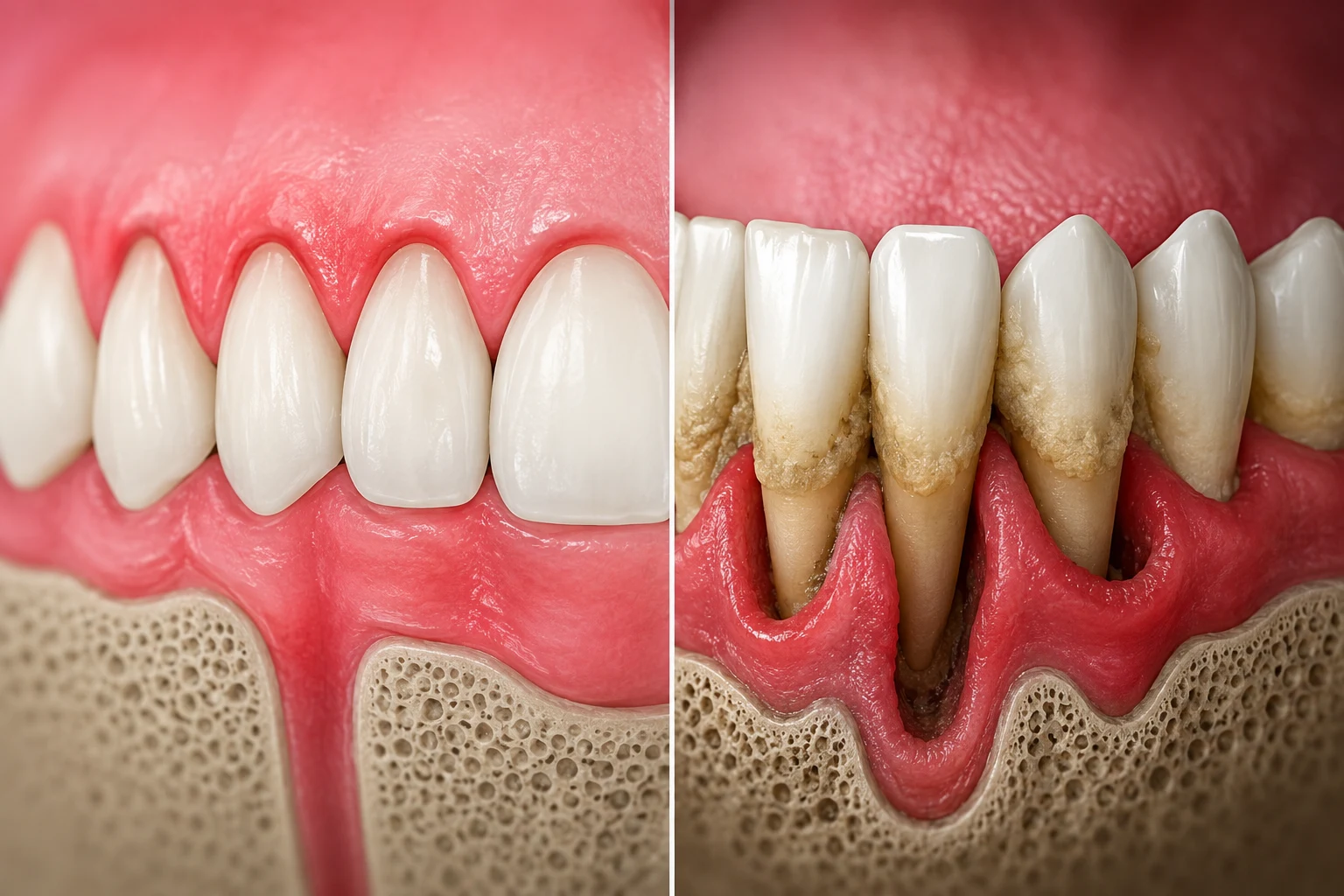
Periodontal disease is a common cause of dental bone loss. As gum disease progresses, it can damage the tissues and bone that support the teeth.
If periodontal disease is not treated appropriately, the associated bone loss may continue to progress.
When a tooth is lost and not replaced, the area of jawbone that previously supported the tooth receives less stimulation from normal chewing forces.
Over time, the bone in that area may begin to shrink.
Frequent teeth grinding or clenching can place additional stress on the teeth and their supporting structures.
Managing excessive grinding forces may be important for protecting the teeth and surrounding tissues.
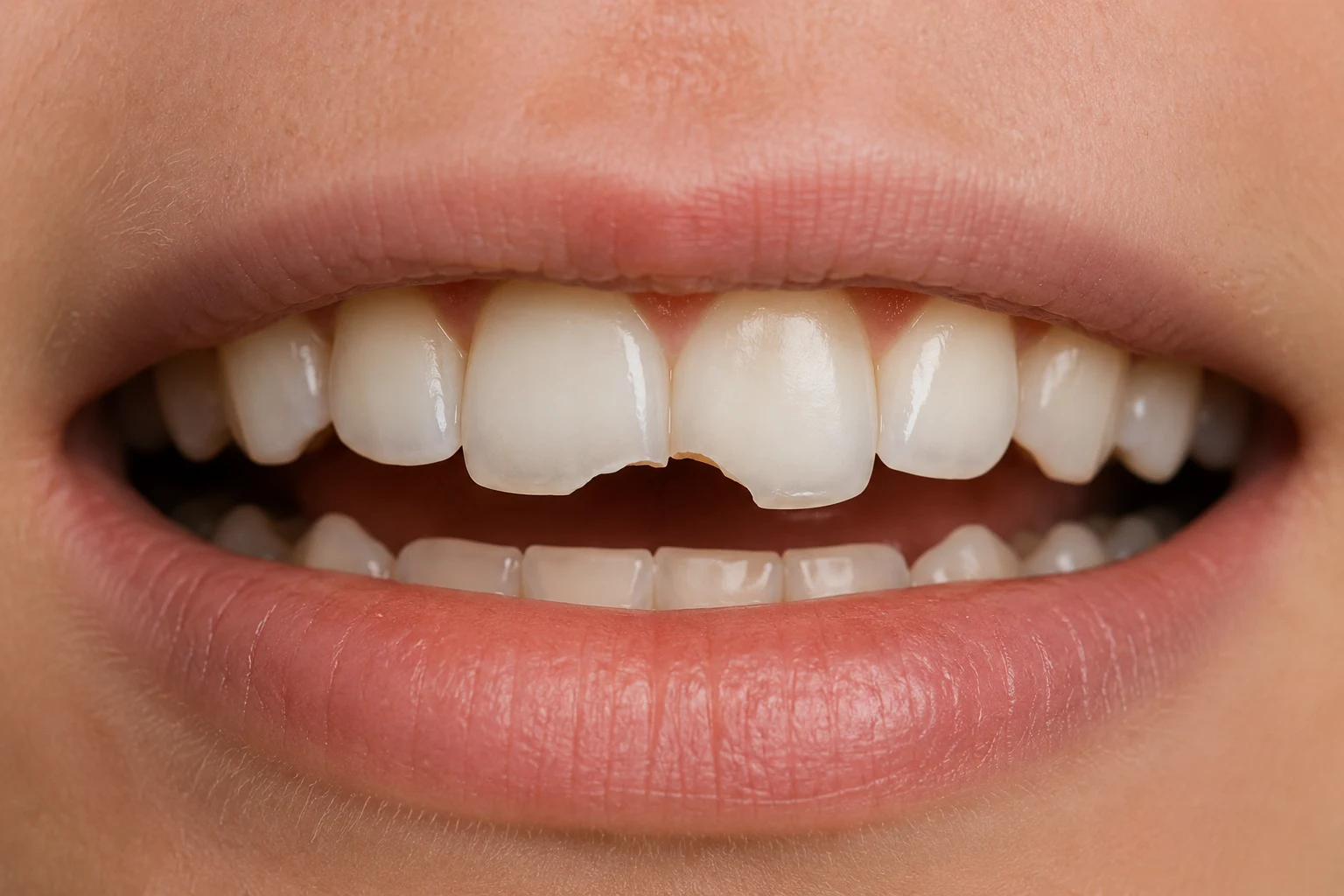
An injury involving the teeth or jaw may affect the surrounding bone and increase the risk of localized bone loss.
The extent of the effect depends on the type and severity of the injury.
Certain health conditions, medications, and lifestyle factors may also influence long-term bone health, including the health of the jawbone.
A dental evaluation can help identify whether additional health-related factors may be contributing to changes in the supporting bone.
Whether dental bone loss can be reversed depends on its cause, severity, and how early treatment begins.
Lost bone does not always regenerate on its own. However, modern dental treatments may help slow the progression of bone loss, preserve existing bone, and, in some cases, rebuild lost bone through specific procedures.
Early diagnosis may provide more treatment and management options and may help protect the remaining bone and supporting structures.
Treatment recommendations depend on the cause and extent of the bone loss.
If gum disease is contributing to bone loss, managing the underlying periodontal condition is an important first step.
Professional periodontal treatment can help reduce inflammation, control infection, and reduce the risk of further damage to the supporting tissues.
When significant bone loss has occurred, a bone graft may be recommended.
Bone grafting is used to support areas where bone volume has been lost and may help prepare the jaw for certain future restorative treatments.
For patients with missing teeth, dental implants may help restore chewing function and provide stimulation to the surrounding jawbone.
Depending on the patient’s oral health and available bone, implants may also help reduce additional bone loss in the treated area.
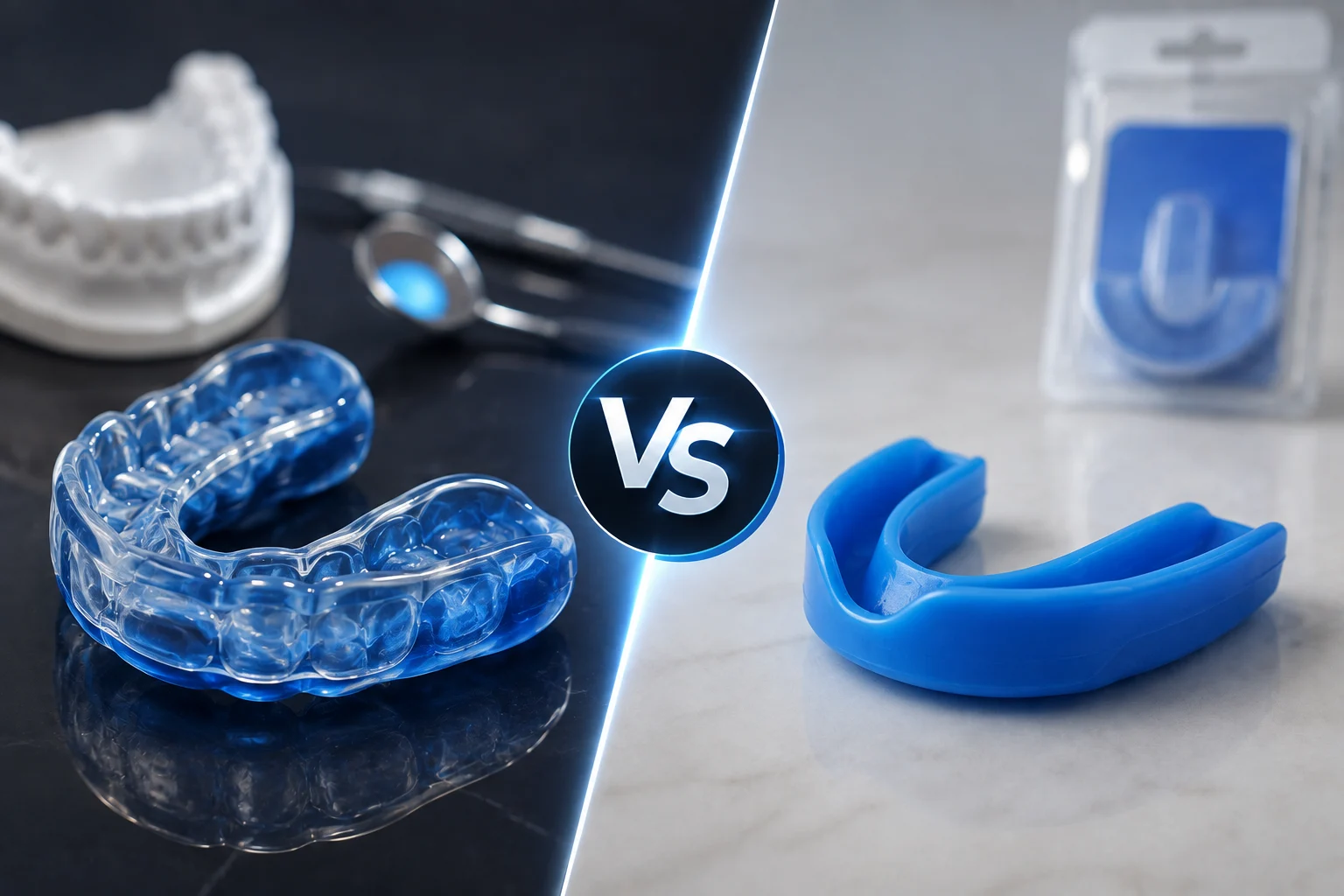
If grinding or clenching is contributing to excessive pressure on the teeth, a custom night guard may be recommended.
A night guard can help reduce grinding-related forces on the teeth and their supporting structures during sleep.
Regular dental examinations, professional cleanings, and consistent daily oral hygiene can help support gum and bone health over the long term.
Routine dental care also gives your dentist an opportunity to identify changes in the supporting structures before they become more advanced.
Related Blog Posts:
Dental bone loss can affect both oral health and dental function, but early diagnosis and appropriate treatment may help preserve the supporting structures around the teeth and reduce the risk of further complications.
Understanding the possible causes and recognizing changes early can help patients seek appropriate care before bone loss becomes more advanced. Because the condition may progress gradually without obvious symptoms, routine dental examinations play an important role in identifying potential concerns.
At Smiles By Design Dentistry of San Diego, we provide thorough dental evaluations and personalized treatment plans focused on maintaining gum health, preserving the bone that supports your teeth, and improving long-term oral health.
Our dental team can help identify factors contributing to bone loss and recommend appropriate treatment options to support a strong, healthy, and functional smile.
Dental bone loss occurs when the bone supporting the teeth begins to deteriorate or lose volume.
Potential causes include periodontal disease, missing teeth, dental trauma, grinding or clenching, and certain health-related factors.
Yes. Advanced periodontal disease can damage the tissues and bone that support the teeth.
Yes. When a tooth is missing, the surrounding jawbone receives less stimulation and may gradually lose volume.
The answer depends on the cause and severity. Lost bone does not always regenerate naturally, but certain dental treatments may help preserve existing bone or rebuild selected areas.
A bone graft is a procedure used to support areas where bone volume has been lost and may help prepare the jaw for future restorative treatment.
Dental implants can restore chewing function and provide stimulation to the surrounding jawbone in appropriate patients.
Grinding and clenching may place excessive stress on the teeth and supporting structures. A dentist can determine whether bruxism is contributing to your symptoms.
Dental examinations and appropriate imaging can help dentists evaluate the bone supporting the teeth and identify areas of concern.
Yes. When enough supporting bone is lost, tooth stability may be affected and teeth may become loose.