


Dental emergencies can happen unexpectedly. They may result from an accident, sports injury, infection, or sudden tooth pain. In situations like these, knowing whether you need urgent dental care can make an important difference in protecting your oral health.
Some dental problems can safely wait until a scheduled appointment, while others require prompt attention to control bleeding, manage pain, address infection, or protect a damaged tooth.
Understanding what qualifies as a dental emergency and knowing what to do before reaching the dental office can help reduce the risk of complications and support a better treatment outcome.
A dental emergency is generally a condition involving the teeth, gums, or surrounding tissues that requires prompt professional attention.
Examples may include severe tooth pain, a broken or knocked-out tooth, infection, uncontrolled bleeding, or significant dental trauma.
As a general guideline, if you experience severe pain, swelling, bleeding that does not stop, or trauma to the mouth or teeth, seek dental care as soon as possible.
Some dental conditions require immediate attention, while others may be urgent without being life-threatening.
A persistent or worsening toothache may be associated with infection, deep decay, a dental abscess, or problems involving the tooth’s nerve.
If the pain becomes severe or continues to worsen, seek prompt dental evaluation rather than delaying treatment.
A knocked-out permanent tooth is one of the most time-sensitive dental emergencies.
Prompt treatment may improve the chance of preserving the tooth, so contact a dentist and seek care as quickly as possible.
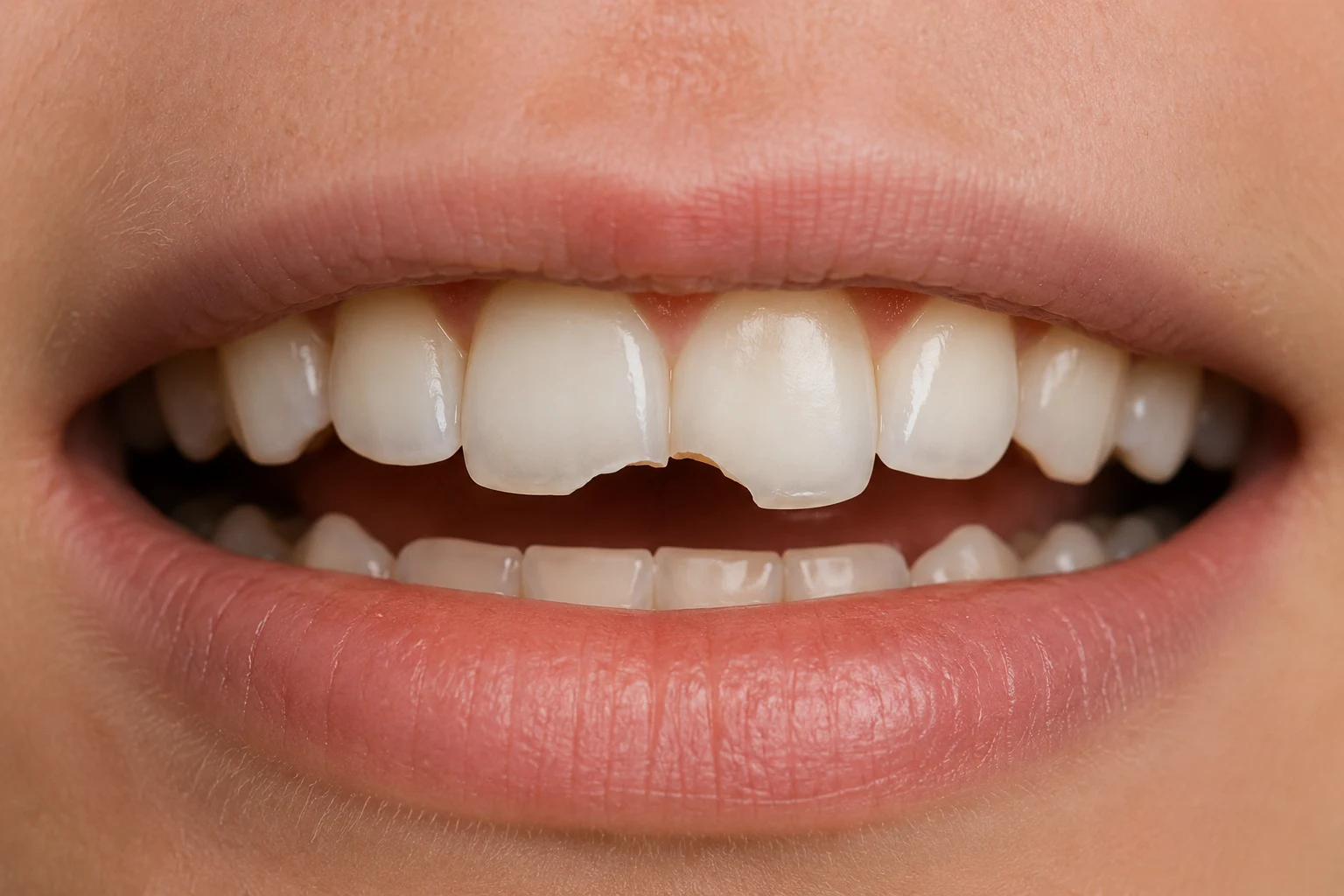
A cracked or broken tooth may expose sensitive internal tooth structures and increase the risk of additional damage or infection.
The urgency of treatment depends on the severity and location of the fracture, as well as symptoms such as pain or bleeding.
A dental abscess is an infection that may develop near the root of a tooth or within the gums.
Symptoms may include:
A suspected dental abscess should be evaluated promptly.
A lost crown or filling may not always require immediate emergency treatment, but the affected tooth can become more vulnerable to sensitivity, discomfort, or additional damage.
Contact your dentist to determine how soon the restoration should be repaired or replaced.
Cuts or injuries involving the lips, tongue, cheeks, or gums may require urgent care, particularly when bleeding is heavy or does not stop.
The steps taken immediately after a dental injury or sudden dental problem may affect the outcome.
Some dental problems may not require immediate emergency treatment, although they should still be monitored and evaluated when appropriate.
Examples may include:
If symptoms persist, worsen, or are accompanied by swelling, bleeding, or significant pain, contact your dentist for guidance.
Some symptoms may indicate a more serious condition that requires emergency medical care rather than dental treatment alone.
Seek emergency medical attention if you experience:
Related Blog Posts:
Dental emergencies can be stressful and uncomfortable, particularly when they occur unexpectedly. Knowing which symptoms require urgent attention and taking appropriate action can help protect your oral health and, in some situations, improve the chance of preserving a damaged tooth.
Whether you are experiencing severe pain, swelling, dental trauma, or a knocked-out tooth, receiving professional care promptly can help address the underlying problem and reduce the risk of complications.
At Smiles By Design Dentistry of San Diego, our dental team understands the urgency of unexpected dental problems and provides focused care to help relieve discomfort, identify the cause, and restore oral health as appropriately and efficiently as possible.
Severe pain, uncontrolled bleeding, significant swelling, dental trauma, a knocked-out tooth, or a suspected dental infection may require urgent dental care.
A persistent or worsening toothache should be evaluated promptly, especially if it is accompanied by swelling, fever, or other signs of infection.
Handle the tooth by the crown rather than the root, gently rinse it if necessary, and seek immediate dental care. If possible, keep the tooth moist until treatment is available.
The urgency depends on the severity of the crack and associated symptoms. A cracked tooth causing significant pain, bleeding, or extensive damage should be evaluated promptly.
A suspected dental abscess requires prompt professional evaluation because infection may progress if untreated.
It may not always require immediate emergency treatment, but the exposed tooth can become sensitive or vulnerable to further damage. Contact your dentist for guidance.
Rinse your mouth with warm water, gently floss around the tooth, and avoid placing aspirin directly on the gums. Contact a dentist promptly.
Seek emergency medical care for difficulty breathing or swallowing, severe facial swelling, uncontrolled bleeding, signs of spreading infection, or major facial trauma.
Occasional mild sensitivity generally does not require emergency treatment, but persistent or worsening symptoms should be evaluated.
In some situations, such as a knocked-out or seriously injured tooth, prompt professional care may improve the chance of preserving the tooth.
.webp)