August 19, 2026
Gum Massage Benefits: How to Massage Your Gums Safely for Better Oral Health


Last Updated: March 2026
Gum massage is a technique that involves gently stimulating the gum tissue around the teeth to support circulation and oral hygiene. Light pressure applied with a soft toothbrush, clean finger, or oral care tool may help increase blood flow to the gums, reduce plaque buildup near the gumline, and support healthy gum tissue. When performed gently and combined with regular brushing and flossing, gum massage can contribute to maintaining healthy gums and preventing mild inflammation.
Gum massage involves gently stimulating the gums using a toothbrush, finger, or oral care tool. This technique may help improve blood circulation in gum tissues, support healthy gums, and assist in removing plaque near the gumline. Dentists recommend using gentle pressure to avoid irritation or damage to the gum tissue.
Introduction
Healthy gums are an essential part of maintaining strong teeth and long-term oral health. The gums, also known as gingiva, surround the teeth and protect the deeper structures that support them. These structures include the periodontal ligament and the bone that anchors each tooth within the jaw.
When gum tissue is healthy, it forms a protective seal around the teeth. This seal helps prevent harmful bacteria from entering deeper areas of the mouth where infection could develop. Maintaining healthy gums is therefore one of the most important aspects of preventive dental care.
Some individuals incorporate gum massage into their oral hygiene routine as a way to stimulate gum tissue and improve circulation. Gum massage involves gently applying pressure along the gumline using a toothbrush, finger, or specialized oral care tool.
While gum massage alone cannot replace brushing, flossing, or professional dental care, it may support gum health when practiced correctly. Gentle stimulation of the gum tissue can increase circulation, promote awareness of gum health, and help remove plaque that accumulates along the gumline.
At Smiles By Design Dentistry of San Diego, dentists frequently evaluate gum health during routine dental exams and may provide guidance on oral hygiene habits that help maintain healthy gum tissue. Understanding the potential benefits and proper techniques for gum massage helps patients incorporate this practice safely into their daily oral care routine.

Gum massage refers to the gentle stimulation of gum tissue surrounding the teeth. This stimulation may be performed using a soft-bristled toothbrush, a clean finger, or specially designed oral hygiene tools made for gum stimulation.
The purpose of gum massage is to encourage circulation within the gum tissue. The gums contain a network of small blood vessels that supply oxygen and nutrients necessary for tissue health. By gently stimulating these tissues, circulation may increase and support normal healing processes within the gums.
When performed carefully, gum massage can also help loosen plaque that accumulates along the gumline. Plaque is a sticky film of bacteria that forms naturally on teeth throughout the day. If plaque is not removed regularly, it can lead to inflammation and gum disease.
However, gum massage should always be performed gently. Excessive pressure or aggressive manipulation of the gums can cause irritation and may contribute to gum recession over time. Proper technique is essential for ensuring that gum massage supports gum health rather than causing damage.
To understand why gum massage may be beneficial, it is helpful to understand the role gum tissue plays in oral health.
The gums are part of a complex support system known as the periodontium, which includes several structures that stabilize teeth.
These structures include:
• gingiva (gum tissue)
• periodontal ligament
• alveolar bone
• cementum covering tooth roots
Together, these structures anchor the teeth securely within the jaw while protecting deeper tissues from bacterial infection.
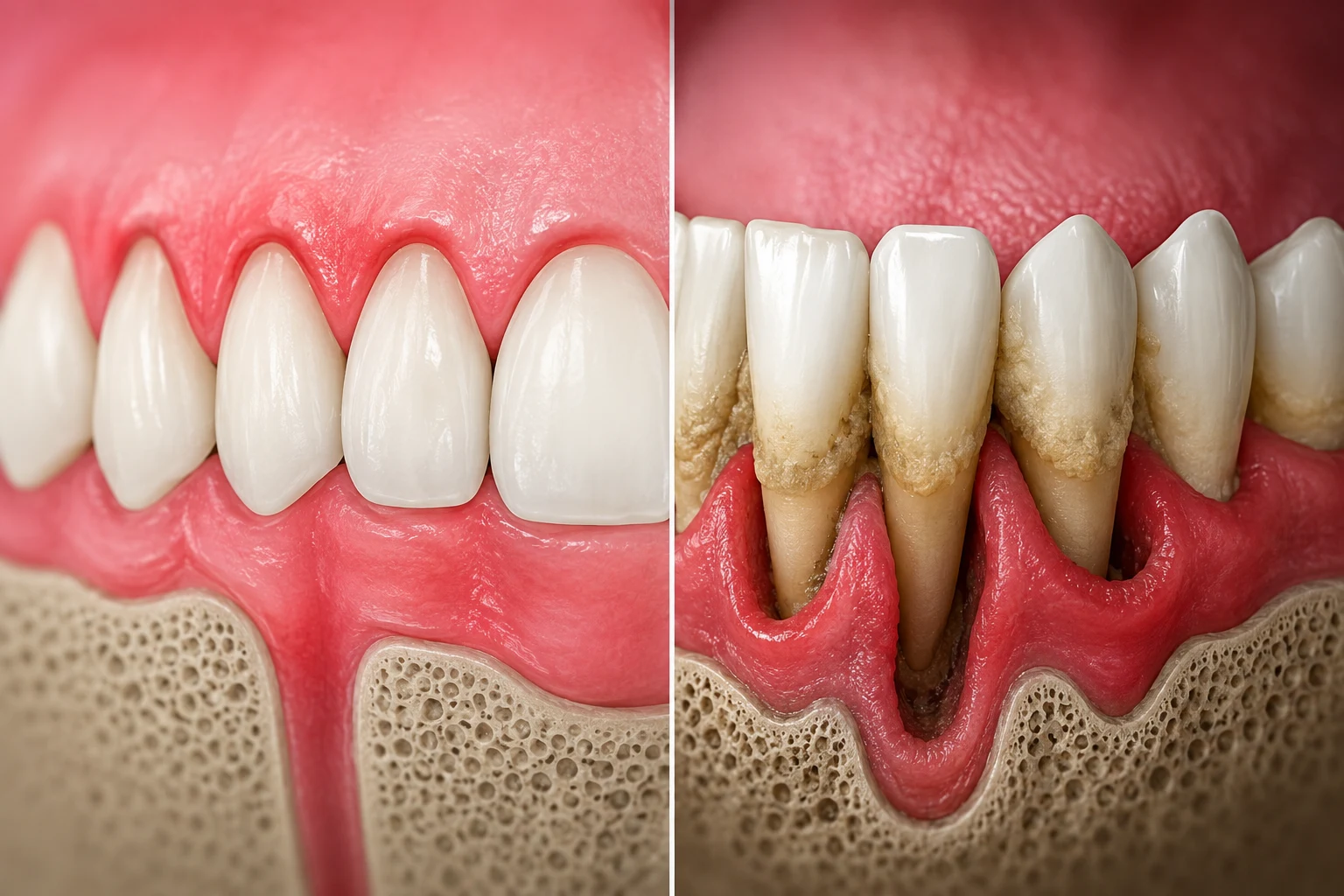
Healthy gum tissue is typically firm, pink, and tightly attached to the teeth. When plaque accumulates along the gumline, bacteria may trigger inflammation in the gums. This condition is known as gingivitis, which represents the earliest stage of gum disease.
Gingivitis can cause redness, swelling, and bleeding of the gums. When addressed early with proper oral hygiene, gingivitis can often be reversed.
Practices such as brushing, flossing, professional dental cleanings, and gentle gum stimulation may all contribute to maintaining healthy gum tissue.
When performed correctly, gum massage may provide several potential benefits for oral health.
One of the primary benefits of gum massage is improved circulation within the gum tissue. Gentle stimulation may encourage blood flow to the gums, which helps deliver oxygen and nutrients to the tissues supporting the teeth.
Healthy circulation supports normal tissue repair and may help maintain resilient gum tissue.
Regularly examining and gently stimulating the gums can help individuals become more aware of changes in their gum health. For example, swelling, tenderness, or bleeding may become more noticeable during gum massage.
Recognizing these early signs may encourage individuals to seek dental evaluation before gum problems progress.
Plaque often accumulates along the gumline where the teeth meet the gums. Gentle stimulation with a toothbrush may help disrupt plaque in this area and improve oral hygiene.
Removing plaque regularly is essential for preventing gingivitis and more advanced forms of periodontal disease.

Dentists generally recommend gentle techniques when stimulating gum tissue.
A soft-bristled toothbrush can be used to gently stimulate the gums while brushing the teeth. The toothbrush should be held at a slight angle toward the gumline.
Small circular motions should be used rather than aggressive back-and-forth scrubbing. This technique allows the toothbrush to clean the gumline while gently stimulating the gums.
Some individuals choose to massage the gums using a clean finger. The finger should move in slow circular motions along the gumline with very light pressure.
Hands should be washed thoroughly before performing this technique to prevent introducing bacteria into the mouth.
Certain oral hygiene tools are specifically designed for gum stimulation. These tools are often made from soft rubber tips that allow gentle contact with gum tissue.
When used carefully, these tools may help stimulate gum circulation without causing irritation.
Some individuals may benefit from gentle gum stimulation as part of their oral hygiene routine.
Gum massage may be helpful for people experiencing:
• mild gum irritation
• early gingivitis
• gum sensitivity after dental procedures
• reduced circulation in gum tissues
However, gum massage should not be considered a treatment for advanced periodontal disease. Individuals experiencing severe gum inflammation or persistent bleeding should seek professional dental evaluation.
Although gum massage may support oral hygiene, certain conditions may require avoiding this practice temporarily.
Gum massage should be avoided if a person experiences:
• severe gum bleeding
• painful swelling of the gums
• active oral infections
• open sores or ulcers in the mouth
In these cases, dental evaluation is recommended before attempting additional gum stimulation.
It is important to understand that gum massage alone cannot treat gum disease. Periodontal disease develops when plaque and tartar accumulate beneath the gumline and cause chronic inflammation.
Treatment for gum disease often requires professional dental care such as scaling and root planing. These procedures remove bacterial deposits from beneath the gums and help restore gum health.
While gentle gum stimulation may support oral hygiene, professional dental care remains essential for preventing and treating periodontal disease.
Healthy gums depend on consistent oral hygiene and regular dental care.
Dentists typically recommend:
• brushing teeth twice daily
• flossing between teeth
• attending routine dental exams
• maintaining balanced nutrition
• avoiding tobacco products
These habits help control plaque bacteria and reduce the risk of gum inflammation.
When gum tissue is maintained through proper oral hygiene and preventive dental care, the gums can remain healthy and resilient for many years. Early attention to gum inflammation helps prevent progression to more advanced periodontal disease.
Routine dental visits allow dentists to monitor gum health and recommend treatment if signs of gum disease appear.
Some individuals believe gum massage alone can prevent gum disease. While gum stimulation may support circulation and awareness of gum health, it cannot replace proper brushing, flossing, and professional dental care.
Another misconception is that stronger pressure improves results. In reality, excessive pressure may irritate the gums and increase the risk of gum recession.
Gentle stimulation remains the safest and most effective approach.
Gentle gum massage may help stimulate circulation and support healthy gum tissue when combined with proper brushing and flossing.
Gum massage alone cannot prevent gum disease. Maintaining proper oral hygiene and visiting the dentist regularly are essential for preventing periodontal disease.
Some individuals incorporate gentle gum stimulation into their daily brushing routine, but pressure should remain light to avoid irritation.
Yes. Excessive pressure or improper techniques may irritate the gums and contribute to gum recession.
Dr. Daniel Javaheri explains that healthy gums depend primarily on consistent oral hygiene and regular dental care. While gentle gum stimulation may support circulation within the gum tissues, it should always be performed carefully to avoid irritation.
At Smiles By Design Dentistry of San Diego, dentists evaluate gum health during routine dental examinations and provide guidance on oral hygiene techniques that support healthy gum tissue.
According to Dr. Javaheri, early detection of gum inflammation allows dentists to intervene before gum disease progresses into more serious periodontal conditions.