June 17, 2026
Porcelain Veneers in San Diego: What They Fix, What They Cost, and How Long They Last


A confident smile can influence self-image, social interactions, and professional confidence more than many people realize. However, chipped teeth, deep discoloration, uneven spacing, worn enamel, small gaps, and irregular tooth shapes can make some people feel uncomfortable about smiling freely.
Porcelain veneers are a commonly requested cosmetic dental treatment because they can improve multiple aspects of a smile while maintaining a natural-looking appearance.
Veneers can address several cosmetic concerns at the same time, making them a popular option for patients seeking long-lasting smile enhancement without more extensive restorative treatment.
Although porcelain veneers offer several cosmetic benefits, many patients still have questions about what veneers can address, how much they cost, how long they last, and whether they may be appropriate for their smile goals.
If you are considering Porcelain Veneers, keep reading to learn what they can address, how the procedure works, what they may cost in San Diego, and how proper care can help them last.
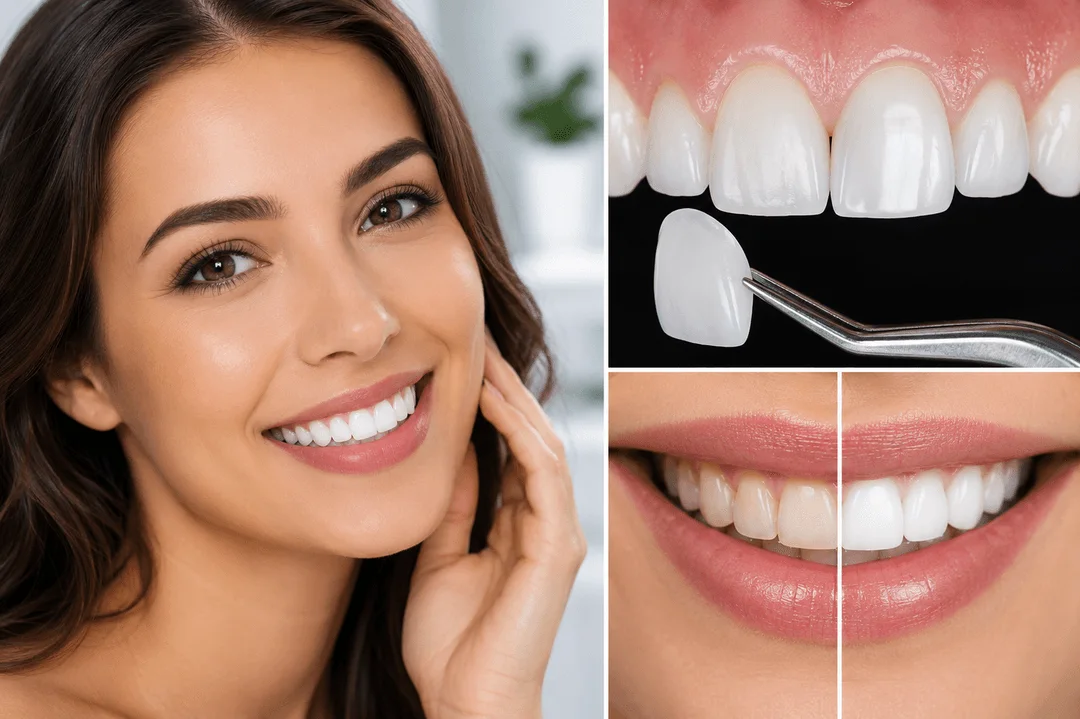
Porcelain veneers are thin, custom-made ceramic shells bonded to the front surfaces of teeth to improve color, shape, size, symmetry, and overall smile aesthetics. They are designed to complement the surrounding teeth, facial features, and overall smile proportions.
Porcelain veneers are commonly used to address:
One of the main advantages of porcelain veneers is their ability to address several cosmetic concerns at the same time without requiring multiple separate procedures.
Professional whitening can improve many types of surface stains and age-related discoloration. However, some deeper types of discoloration may respond less effectively to whitening.
Porcelain veneers cover the visible front surface of the tooth and may help mask deeper discoloration that cannot be adequately improved with whitening alone.
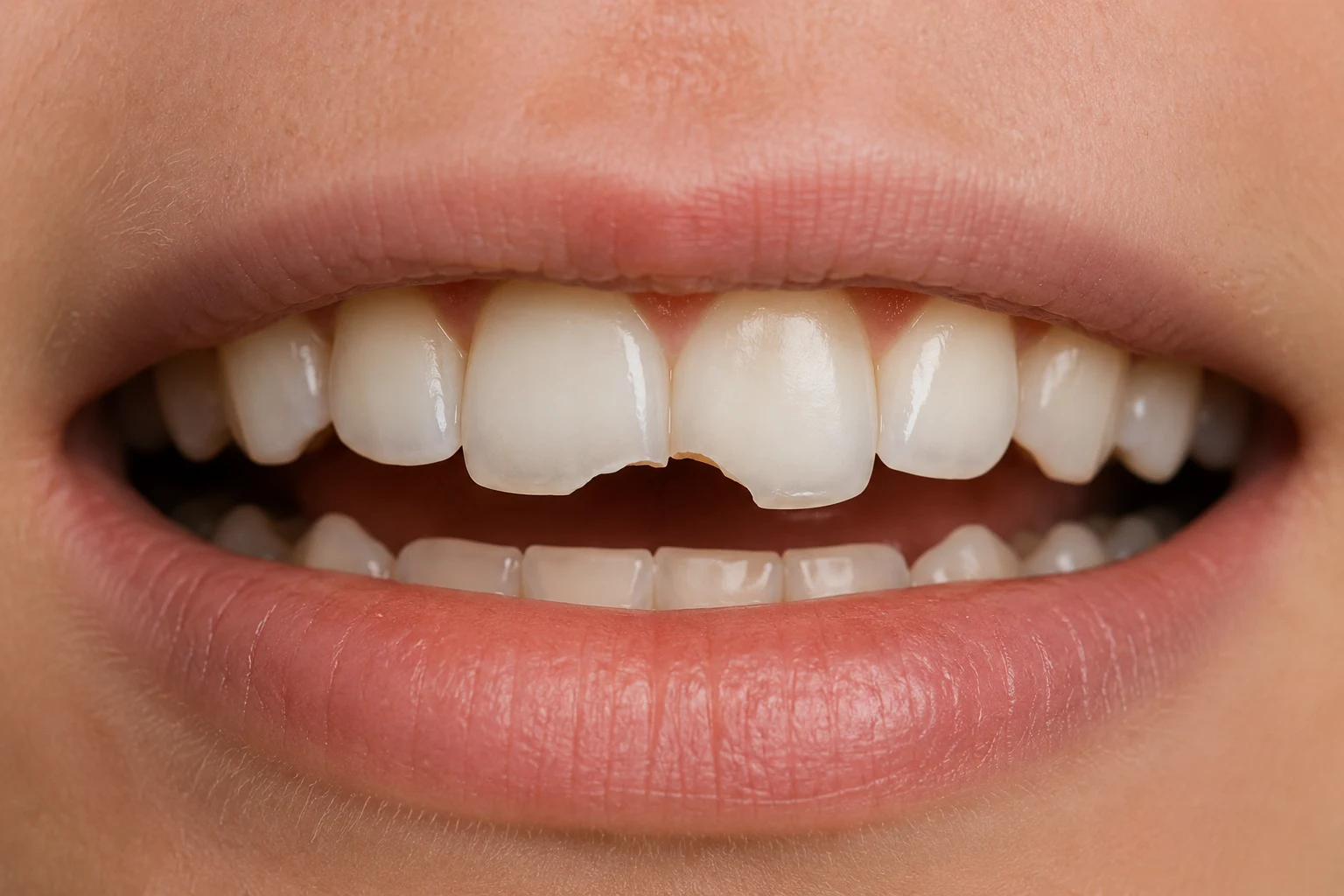
A small chip or minor crack in a front tooth can create noticeable asymmetry in the smile. Veneers can restore the visible surface of appropriate teeth and improve their shape and overall appearance.
For patients with small spaces between teeth, veneers may help close or reduce those gaps without orthodontic treatment.
This approach is generally better suited to minor spacing concerns. More significant spacing or alignment issues may require orthodontic treatment before cosmetic restorations are considered.
Some teeth may naturally appear shorter, narrower, or more irregularly shaped than others. A cosmetic dentist can design veneers to create more consistent proportions and improve overall smile balance.
Teeth affected by grinding, acid erosion, age, or other factors may appear shorter, flatter, or worn. Veneers may help restore visible length and surface appearance in appropriate cases.
When teeth are slightly uneven but the bite remains functionally stable, veneers may improve the appearance of minor cosmetic irregularities.
However, veneers are not a substitute for braces or Invisalign when tooth alignment contributes to a functional or bite-related problem.
Porcelain veneers may be appropriate for patients who want to improve the appearance of their smiles and have generally healthy teeth and gums.
Good candidates may include individuals with:
Some patients may require additional treatment before receiving veneers if they have gum disease, tooth decay, or significant bite-related concerns.
Porcelain veneer treatment typically involves several steps to create a customized cosmetic result.
The initial consultation focuses on evaluation, treatment goals, and planning before any tooth preparation begins.
The dentist examines the patient’s existing smile, may take photographs, evaluates the bite and gum health, and discusses which aspects of the smile the patient would like to improve or preserve.
This conversation helps guide the overall treatment plan.
Digital imaging and treatment planning may be used to establish the desired outcome before tooth preparation begins.
Depending on the practice and treatment plan, patients may be shown a digital preview, a mock-up applied to the teeth, or another representation of the proposed result. This can help the patient and dentist communicate more clearly about treatment goals.
A small amount of enamel may be removed from the front and edges of each tooth receiving a veneer to create space for the porcelain restoration and avoid a bulky appearance.
Because enamel removal is a permanent change to the tooth structure, the decision to receive veneers should be considered carefully. Once a tooth has been prepared for a veneer, it will generally require ongoing restorative coverage.
While the permanent porcelain restorations are being fabricated in a dental laboratory, temporary veneers may be placed to protect the prepared teeth and give patients an approximate preview of the planned shape and size.
Once the porcelain veneers return from the laboratory, the dentist evaluates their fit, color, appearance, and relationship with the patient’s bite.
After any necessary adjustments are made, the veneers are permanently bonded in place.
Approximate porcelain veneer costs in San Diego may include:
Several clinical and cosmetic factors can influence the final cost of porcelain veneer treatment.
Treating multiple teeth generally increases the overall cost compared with correcting a single tooth.
A single veneer on an otherwise balanced smile may require less extensive planning than a larger veneer case involving bite considerations, gum reshaping, or changes in overall tooth proportions.
More complex treatment planning may increase the overall cost.
Different ceramic materials can vary in appearance and performance. High-quality porcelain can mimic the way natural enamel reflects light and help create a natural-looking result.
The type of material selected and the laboratory work involved may influence the final treatment cost.
Porcelain veneer treatment involves both technical preparation and detailed cosmetic planning.
A dentist’s experience with veneer design, smile aesthetics, bite considerations, and restorative treatment may influence treatment fees and the overall planning process.
Porcelain veneers are designed to provide long-term cosmetic improvement when maintained properly.
Many porcelain veneers last approximately 10 to 15 years. Some may last longer depending on oral hygiene, bite forces, daily habits, and regular dental care.
Porcelain is generally more resistant to staining than natural tooth enamel.
Coffee, tea, red wine, and other staining foods and beverages may have less effect on porcelain than on natural teeth, helping veneers maintain their appearance over time.
Proper daily oral hygiene, routine dental checkups, and managing excessive teeth grinding can help protect porcelain veneers and may extend their functional lifespan.
Related Blog Posts:
Porcelain veneers can provide significant cosmetic improvement for appropriate patients by addressing concerns such as discoloration, chipped teeth, worn enamel, minor spacing, and uneven tooth shape.
However, successful treatment depends on careful planning, appropriate materials, and the experience of the dentist performing the procedure. Because tooth preparation may involve irreversible enamel removal, patients should carefully consider treatment and discuss their goals with an experienced cosmetic dentist.
If you are considering Porcelain Veneers in San Diego, Smiles By Design Dentistry of San Diego provides personalized cosmetic dental care focused on natural-looking smile enhancement, long-term oral health, and individualized treatment planning.
Our dental team helps patients address discoloration, chipped teeth, worn enamel, spacing concerns, and other cosmetic imperfections through customized porcelain veneer treatment based on each patient’s oral health and smile goals.
Contact Smiles By Design Dentistry of San Diego to schedule a consultation and discuss whether porcelain veneers may be appropriate for your smile.
Veneers can address deep discoloration that whitening can't reach, chipped or cracked teeth, small gaps, uneven tooth shape or size, worn enamel, and mild alignment concerns — often correcting several issues at once.
A single veneer typically runs $1,200–$2,500 per tooth, with a full set of 6 to 8 veneers ranging from roughly $7,200 up to $20,000 depending on material quality and case complexity.
No. A thin layer of enamel is permanently removed to make room for the veneer, so once that preparation is done, the tooth will always need some form of restoration going forward.
Most porcelain veneers last between 10 and 15 years, and many patients get even longer use with consistent daily care, routine checkups, and avoiding excessive teeth grinding.
Yes — whitening works on surface staining, but doesn't address deeper discoloration from tetracycline use, past trauma, or root canal treatment. Veneers cover the entire visible surface, making underlying color irrelevant.
A small amount of enamel is removed from the front and edges of each tooth receiving a veneer, creating room for the porcelain shell so the final result sits naturally rather than looking bulky.
Yes — veneers work well for closing or minimizing minor gaps without orthodontic treatment, though larger spacing issues usually still benefit from alignment correction first.
Not really beyond normal oral hygiene. Porcelain resists staining from coffee, tea, and wine far better than natural enamel, so regular brushing, flossing, and checkups are typically enough.
The number of teeth being treated, the complexity of the overall smile design, the quality of the porcelain material, and the experience level of the cosmetic dentist all factor into the final price.
Good candidates generally have healthy gums, good oral hygiene, and cosmetic concerns like chipping, discoloration, or minor spacing. Active gum disease or serious bite problems may need to be addressed first.