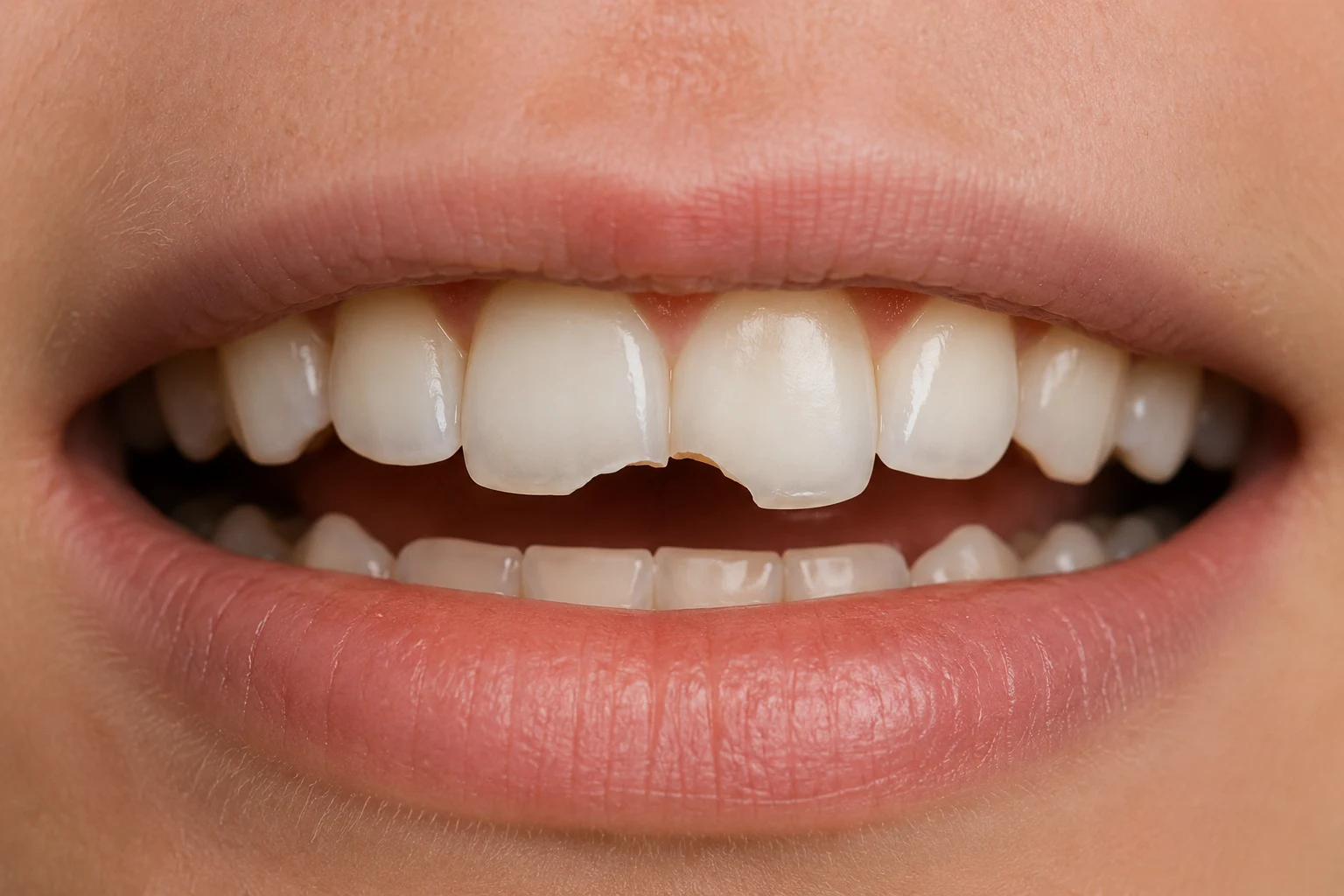


Most people do not walk into a dental office asking for a “smile makeover.” Instead, they usually have one or more specific concerns. It may be a tooth that chipped several years ago, staining that over-the-counter whitening products have not improved, or a gap they have been hiding in photos. A smile makeover simply means addressing several cosmetic or restorative concerns together under one coordinated treatment plan rather than treating each issue separately over time.
A smile makeover is not a single dental procedure. Instead, it is a customized treatment plan that combines the cosmetic and restorative procedures a patient may need to move from their current smile to their desired outcome.
That plan can look completely different from one patient to another. Someone with one chipped front tooth and minor discoloration may require a very different approach than someone who is missing two teeth, has an uneven bite, and needs older crowns replaced. The starting point, treatment goals, and recommended procedures are unique to each case.
Understanding what may be included in a smile makeover, what individual procedures may cost, and how the planning process works can help patients have a more productive conversation with a cosmetic dentist.
A smile makeover is a customized cosmetic dentistry treatment plan designed to improve the appearance, function, and overall aesthetics of the smile through one or more dental procedures. Treatment aims to address cosmetic concerns while also supporting long-term oral function and smile balance.
Smile makeovers may address:
Smile makeover treatment plans vary based on each patient’s cosmetic goals, oral health, and treatment needs.
No two smile makeover plans include exactly the same procedures. Recommendations depend on the patient’s current oral health, specific concerns, and desired outcome. However, several treatments are commonly included in smile makeover planning.
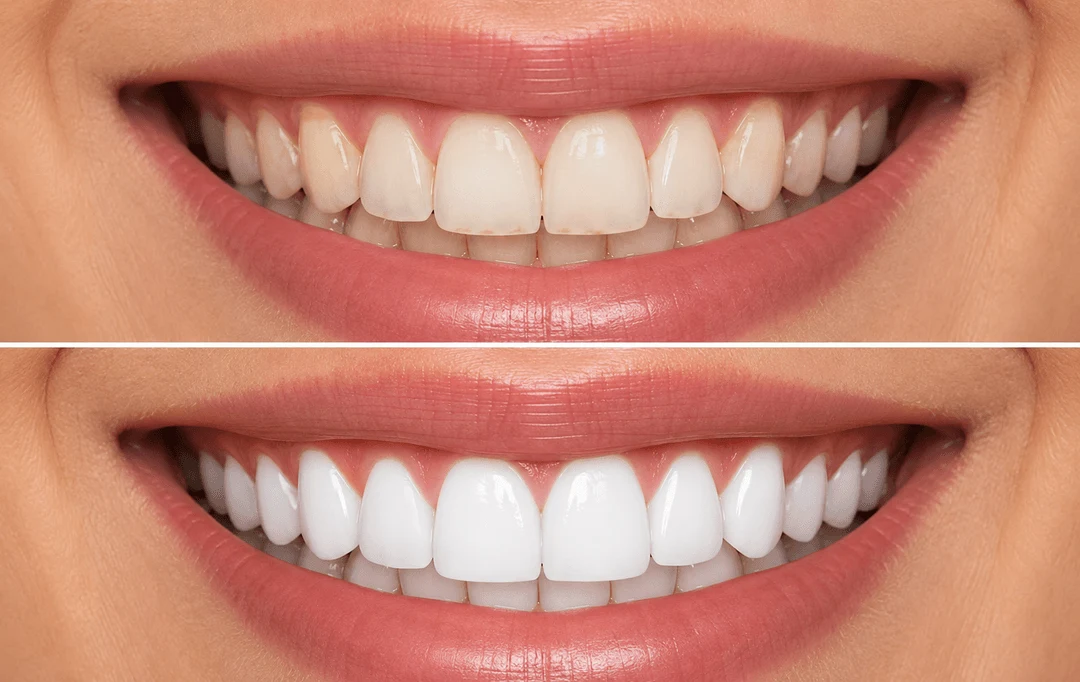
Professional teeth whitening may be recommended before other cosmetic procedures to establish a desired tooth shade. When veneers or crowns are planned, whitening natural teeth first may help the dentist select restoration shades that create a more consistent overall appearance.
In-office whitening can address certain stains more effectively than some over-the-counter products and may be completed in a single appointment, depending on the treatment used.
Veneers are a versatile option in cosmetic dentistry. They are thin porcelain shells custom-made to fit over the front surface of the teeth and can address concerns involving color, shape, length, and spacing.
For example, a patient with several chipped, discolored, or uneven front teeth may be able to address multiple cosmetic concerns with veneers. Porcelain is designed to create a natural-looking appearance by reflecting light in a way that resembles natural enamel.
A veneer primarily covers the front surface of a tooth, while a dental crown covers most or all of the visible portion of the tooth. Crowns may be included in a smile makeover when a cosmetic concern also involves a structurally weakened, cracked, or heavily restored tooth.
In these situations, a crown can help improve both appearance and function within the same treatment plan.
When crowding, spacing, or tooth alignment is part of a patient’s concern, orthodontic treatment may be recommended before certain cosmetic restorations are placed. Correcting tooth position first may allow veneers, crowns, or other restorations to be planned more appropriately.
Invisalign may be an option for some adult patients who want orthodontic treatment with a less noticeable appearance than traditional braces.
Missing teeth may affect both the appearance and function of a smile. Over time, tooth loss can also contribute to changes in adjacent tooth position and the bone in the area of the missing tooth.
Dental implants may be included in a smile makeover plan when replacing missing teeth is necessary to restore function and appearance. Depending on the patient’s needs, other replacement options such as dental bridges or partial dentures may also be considered.
Smile balance involves both the teeth and the surrounding gum tissue. If the gum line is uneven or excess gum tissue makes certain teeth appear shorter than desired, gum contouring may be considered.
This treatment reshapes the gum line to create improved proportions between the teeth and gums. For some patients with a gummy smile, soft tissue treatment can be an important part of the overall smile makeover plan.
Smile makeover procedures may provide both cosmetic and functional improvements when treatment is carefully planned around the patient’s oral health and smile goals.
Addressing visible dental concerns may help patients feel more comfortable and confident about their smiles in social and professional situations.
Some smile makeover procedures can improve more than appearance. Depending on the treatment involved, they may also support chewing ability, bite alignment, speech, and overall dental function.
Addressing damaged teeth, spacing concerns, missing teeth, and failing restorations may help support better oral hygiene and reduce the risk of certain future dental problems.
There is no single fixed price for a smile makeover. The total cost depends on the individual procedures included in the treatment plan. Two patients seeking a smile makeover may receive very different treatment recommendations and costs based on their oral health needs and cosmetic goals.
Approximate cosmetic dentistry costs in San Diego may include:
The total cost of a smile makeover may range from several thousand dollars upward, depending on whether the treatment plan involves limited cosmetic procedures or more extensive restorative or full-mouth rehabilitation.
Several clinical and cosmetic factors can influence overall smile makeover pricing in San Diego.
The overall cost generally increases as additional procedures are added to the treatment plan. Patients may also discover during their evaluation that a concern they believed was purely cosmetic requires restorative treatment before cosmetic procedures can begin.
Existing oral health concerns may need to be addressed before cosmetic treatment. If periodontal treatment, extractions, bone grafting, or other procedures are necessary, these treatments can affect the overall cost and timeline of the smile makeover.
The materials and technology used can also influence treatment costs. Digital smile planning, advanced imaging, and custom laboratory-fabricated restorations may contribute to the final price.
High-quality porcelain restorations and customized treatment planning may involve greater laboratory and clinical costs than more basic treatment options.
Smile makeover costs may also depend on the dentist’s experience and the complexity of the case. More involved treatment plans may require multiple procedures, detailed planning, and specialized cosmetic or restorative techniques.
Careful planning can help patients work toward their desired smile while supporting long-term function and oral health.
A smile makeover should begin with a thorough dental evaluation. X-rays, photographs, bite analysis, and an examination of the teeth, gums, and supporting structures can give the dentist a more complete understanding of the patient’s oral health before treatment recommendations are made.
This evaluation helps ensure that cosmetic decisions are based on accurate clinical information.
Patients should clearly explain what they like and dislike about their current smile. Reference photos may also be helpful when discussing preferences involving tooth color, shape, alignment, gum appearance, and overall smile aesthetics.
Clear communication can help the dentist develop a treatment plan that better reflects the patient’s expectations and goals.
Some smile makeovers may be completed within a few appointments over several months. Others may involve orthodontic treatment, implant healing, or staged restorations that extend the treatment timeline to a year or longer.
Understanding the expected timeline before treatment begins can help patients plan appropriately.
Cosmetic and restorative dental treatments require ongoing care. Veneers may eventually chip or require replacement, whitening results can fade over time, and dental implants require consistent oral hygiene and professional dental care.
Understanding long-term maintenance requirements before beginning treatment can help patients prepare for future care.
Smile makeovers may be appropriate for patients with multiple cosmetic or restorative dental concerns affecting the appearance or function of their smiles.
Good candidates may include individuals with:
Healthy gums and stable overall oral health are typically important before elective cosmetic treatment begins. Existing dental problems may need to be treated first.
Cosmetic dentistry procedures is not recognized as a separate dental specialty by the American Dental Association in the same way as specialties such as orthodontics or periodontics. For this reason, patients may want to evaluate a dentist’s training, experience, treatment approach, and previous cosmetic work when considering a smile makeover.
Experienced cosmetic dentists can help patients:
Choosing an experienced dentist can significantly influence treatment planning, overall results, and long-term satisfaction with a smile makeover.
Related Blog Posts:
Some dental concerns that initially appear cosmetic may also involve functional or oral health considerations. A chipped tooth may eventually become sensitive or experience additional damage. Missing teeth can contribute to changes in surrounding teeth and bone. Worn restorations may affect the bite, while some types of discoloration may be associated with changes in the tooth structure.
A well-planned smile makeover evaluates cosmetic, restorative, and functional concerns together and creates a coordinated treatment plan based on the patient’s individual needs.
Looking to improve your smile? Smiles By Design Dentistry of San Diego offers personalized smile makeover treatment plans focused on natural-looking results, oral health, and long-term function.
Our dental team addresses concerns such as discoloration, damaged teeth, missing teeth, bite issues, and other cosmetic imperfections by creating customized treatment plans based on each patient’s smile goals and oral health needs.
Depending on the patient's needs, a plan might include professional whitening, porcelain veneers, crowns, Invisalign, dental implants, or gum contouring, combined into one coordinated plan rather than handled separately over time.
Costs vary widely because the price reflects whichever combination of procedures a specific plan includes, ranging from a few thousand dollars for limited cosmetic work up to tens of thousands for full-mouth rehabilitation.
Whitening establishes the base shade of the natural teeth first, so veneers and crowns can be color-matched to that brighter shade and everything ends up looking consistent.
Timelines vary a lot — simpler plans can wrap up in a few appointments over a couple of months, while cases involving orthodontics or implant healing periods can stretch across a year or more.
Yes — when crowding or spacing issues are present, straightening the teeth first with Invisalign is often recommended so veneers or crowns placed afterward sit correctly and last longer.
Veneers are a single cosmetic procedure, while a smile makeover is a broader treatment plan that may combine veneers with other services like whitening, crowns, implants, or gum contouring.
Yes — for patients with an uneven gum line or a "gummy" smile, reshaping the soft tissue can be one of the most impactful parts of the plan, helping balance the proportion between teeth and gums.
The number of procedures needed, the complexity of the cosmetic design, the quality of materials used, and the dentist's experience level all influence the total cost.
Active gum disease typically needs to be treated first, since cosmetic work like veneers shouldn't be placed on an unstable foundation. A healthy mouth is usually required before cosmetic treatment begins.
Bring reference photos of smiles you like and dislike, and be ready to describe your specific concerns clearly — the more specific your goals, the more accurate the treatment plan will be.
.webp)