August 12, 2026
Do I Need a Night Guard? Signs You're Grinding Your Teeth in Your Sleep


Many people grind or clench their teeth at night without realizing it. The first signs may include morning headaches, jaw soreness, increased tooth sensitivity, or unexplained wear on the teeth.
Nighttime teeth grinding, also known as sleep bruxism, may gradually wear down the teeth, place additional strain on the jaw muscles, and contribute to TMJ-related symptoms over time.
A custom night guard can help protect the teeth from grinding-related damage, but not every patient who grinds their teeth requires the same treatment approach. Keep reading to learn about common warning signs and when it may be appropriate to visit your dentist for a professional evaluation.
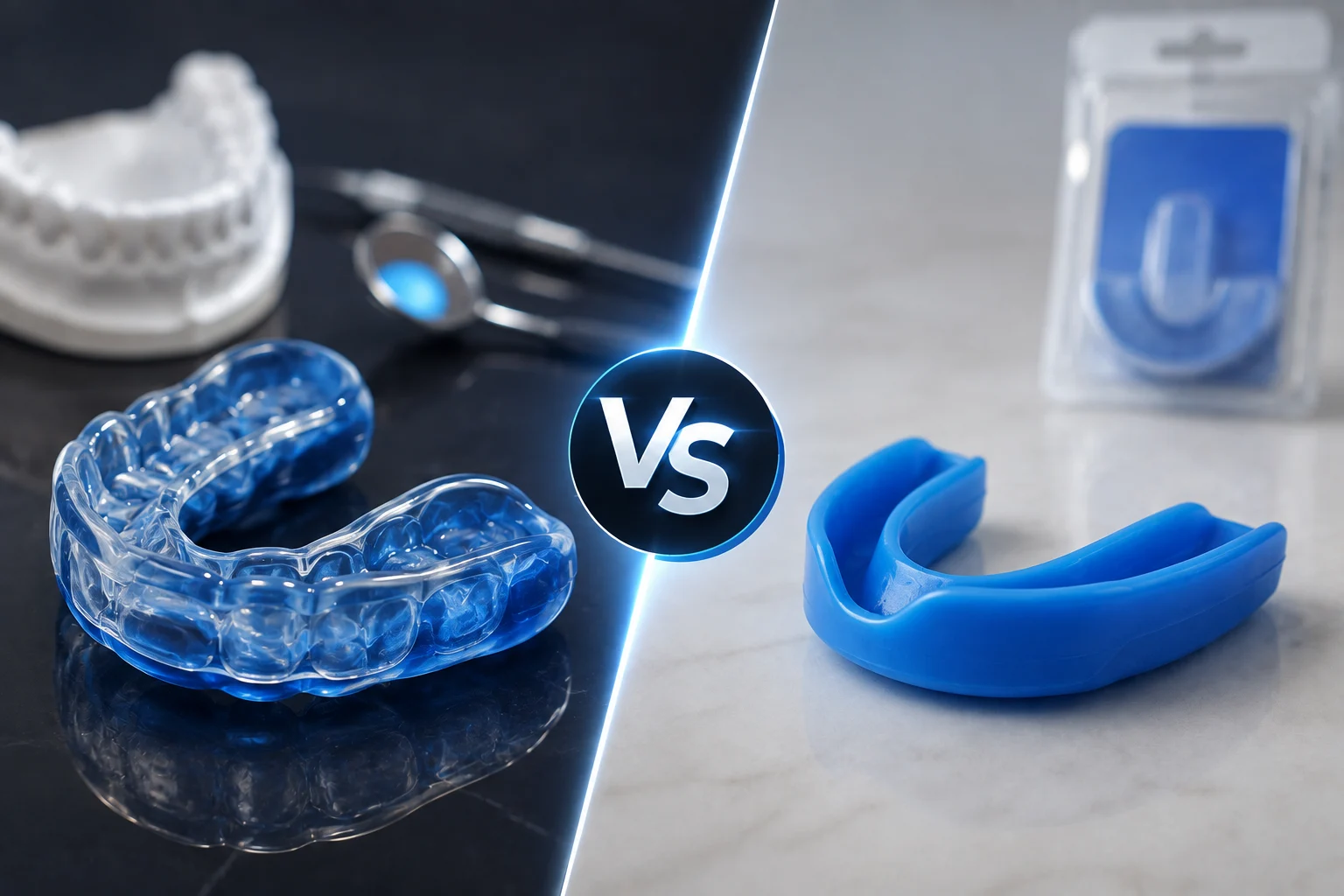
A night guard is an oral appliance worn during sleep that fits between the upper and lower teeth. It helps create a protective barrier between the teeth and may reduce excessive forces caused by grinding or clenching.
A custom-fitted night guard is designed according to your individual bite and may provide a more precise and comfortable fit than over-the-counter alternatives.
Many people are unaware that they grind their teeth because it happens during sleep. Recognizing potential warning signs early may help reduce the risk of more extensive dental wear or jaw discomfort.
If your jaw feels sore, stiff, or tired when you wake up, nighttime clenching or grinding may be contributing to the discomfort.
Morning jaw soreness can be a common sign that the jaw muscles have been under additional strain during sleep.
Regular morning headaches, particularly around the temples, may sometimes be associated with muscle tension caused by nighttime clenching or grinding.
If headaches occur frequently along with jaw soreness or other dental symptoms, a professional evaluation may help determine whether bruxism is contributing to the problem.
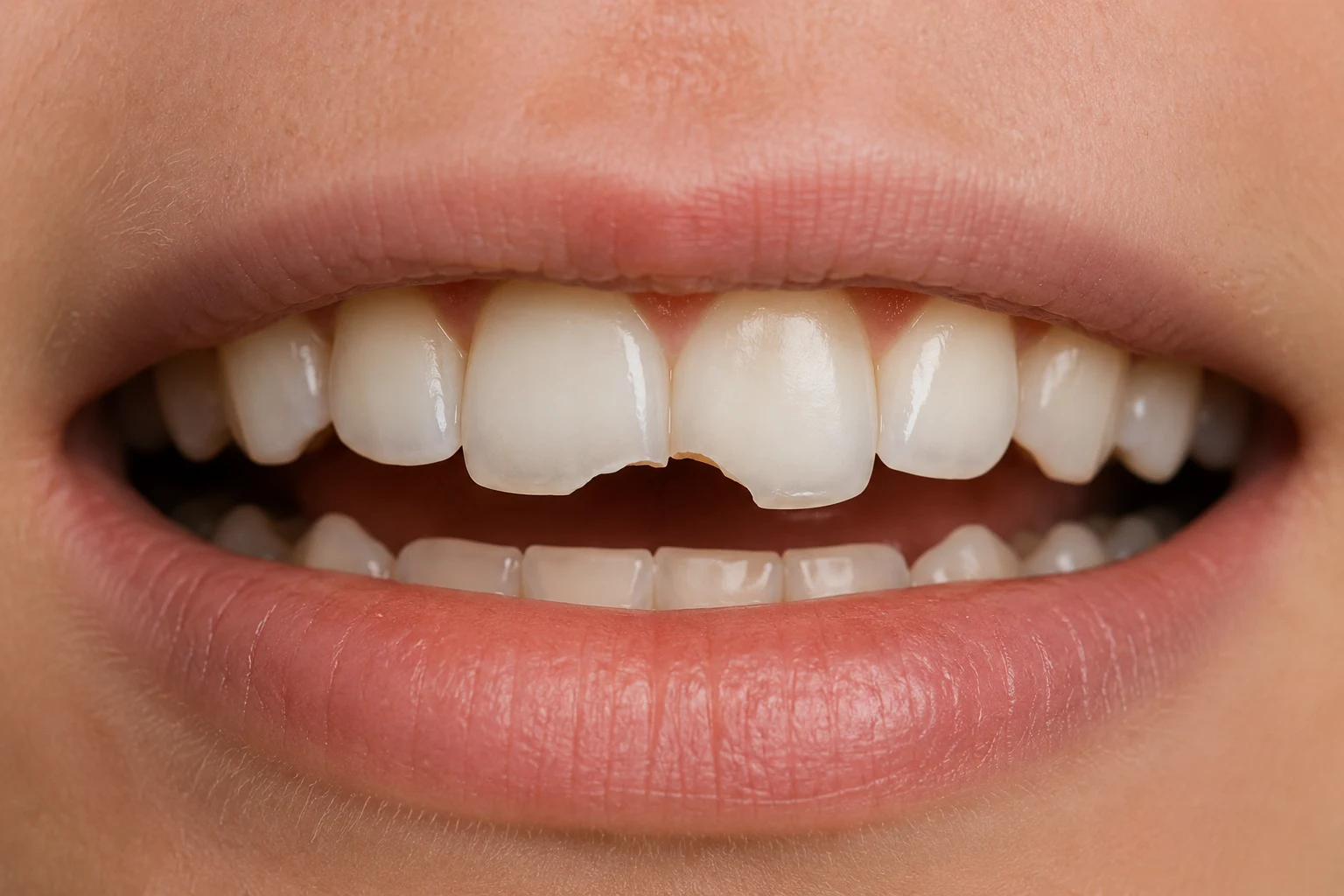
Repeated grinding can gradually wear down tooth enamel, flatten biting surfaces, chip the edges of teeth, and potentially contribute to cracked or fractured teeth.
Because these changes may develop gradually, patients may not recognize the damage until it becomes more noticeable or is identified during a dental examination.
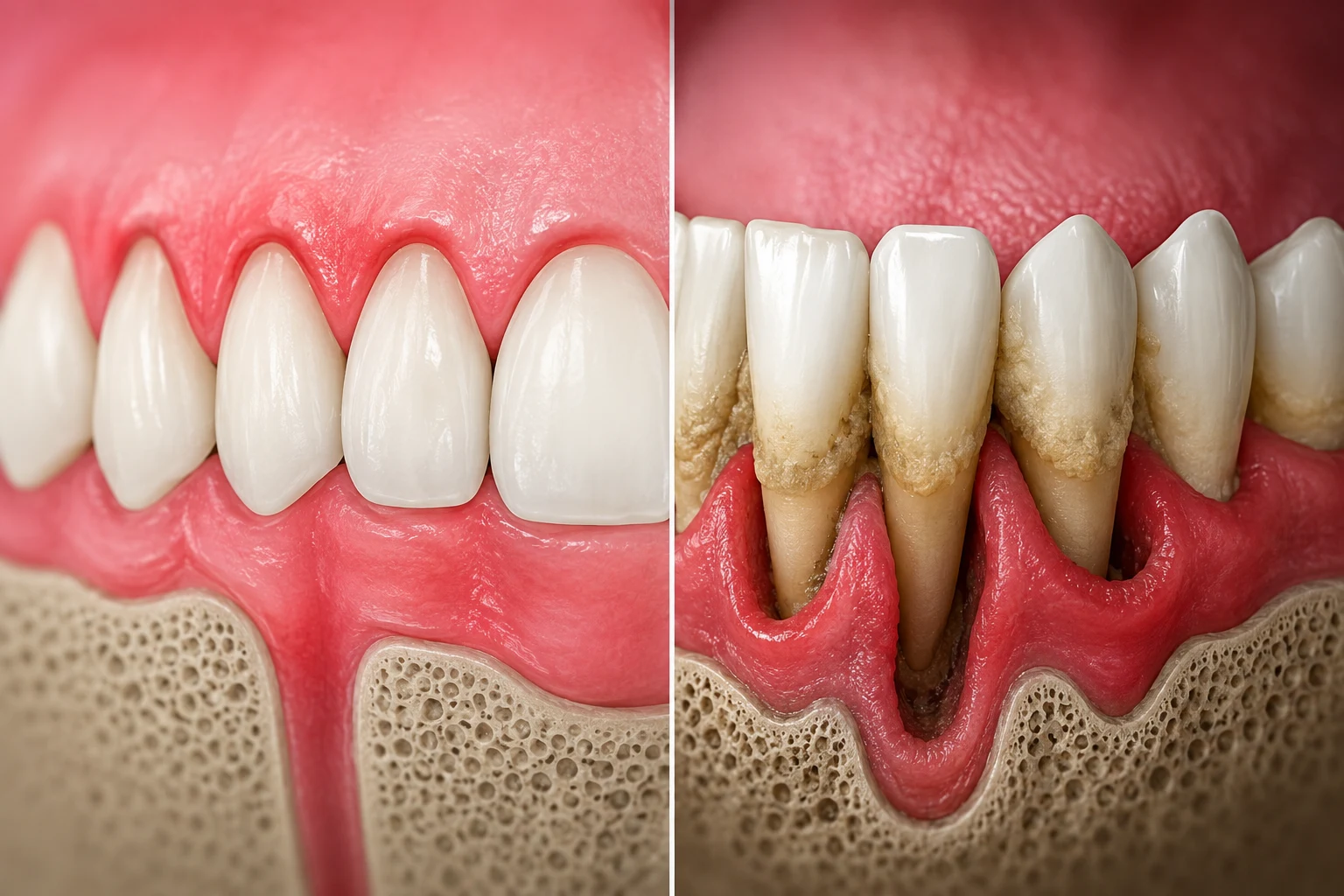
As enamel becomes worn, the underlying tooth structure may become more exposed.
This can contribute to increased sensitivity when consuming hot, cold, or sweet foods and beverages.
Repeated grinding and clenching can place additional stress on the jaw joints and surrounding muscles.
Over time, this may contribute to clicking, popping, stiffness, soreness, or general TMJ discomfort.
In some cases, a partner or family member may notice nighttime grinding sounds before the person experiencing bruxism becomes aware of the habit.
If someone regularly hears you grinding your teeth while you sleep, consider discussing it with your dentist.
Certain individuals may be more likely to experience sleep bruxism because of stress, lifestyle factors, or existing dental concerns.
You may benefit from a professional evaluation if you:
A dentist can evaluate your teeth, jaw, bite, and symptoms to determine whether a night guard may be appropriate.
A custom night guard can help protect the teeth from excessive grinding and clenching forces while supporting overall oral comfort.
Potential benefits include:
If jaw pain, recurring headaches, tooth sensitivity, visible tooth wear, or nighttime grinding symptoms persist, consider scheduling a dental evaluation.
Your dentist can assess whether your symptoms may be related to bruxism, TMJ dysfunction, bite concerns, or another dental condition and recommend an appropriate treatment plan before more extensive damage develops.
Related Blog Posts:
Nighttime teeth grinding may contribute to gradual enamel wear, cracked or chipped teeth, persistent jaw discomfort, and TMJ-related symptoms over time.
Early identification may help limit further dental wear and allow your dentist to recommend appropriate strategies for protecting your teeth and managing jaw-related symptoms.
At Smiles By Design Dentistry of San Diego, patients receive comprehensive evaluations to help identify potential causes of teeth grinding, jaw discomfort, and related symptoms.
Our dental team provides custom night guards designed to fit comfortably, help protect the teeth, and reduce excessive strain associated with nighttime grinding or clenching.
With personalized treatment plans and comprehensive dental care, we help patients maintain healthy smiles, reduce discomfort, and support long-term oral health.
Possible signs include morning jaw soreness, headaches, worn teeth, tooth sensitivity, jaw clicking, or grinding sounds noticed by a partner.
Sleep bruxism is nighttime grinding or clenching of the teeth that occurs while a person is asleep.
A night guard is an oral appliance worn during sleep to create a protective barrier between the upper and lower teeth.
No. Treatment depends on the cause, severity, tooth wear, jaw symptoms, and other individual factors. A dentist can determine whether a night guard is appropriate.
Yes. Grinding may contribute to enamel wear, which can make the underlying tooth structure more sensitive.
Repeated grinding and clenching may contribute to chips, cracks, fractures, and excessive wear over time.
Yes. Grinding and clenching can place additional stress on the temporomandibular joints and jaw muscles.
A custom night guard may help protect enamel, reduce grinding-related forces, decrease jaw muscle strain, and reduce the risk of further tooth damage.
A custom night guard is designed according to the patient’s individual bite and may provide a more precise and comfortable fit than many over-the-counter options.
Schedule an evaluation if you regularly experience morning jaw pain, headaches, tooth sensitivity, visible tooth wear, TMJ symptoms, or suspected nighttime grinding.