
June 22, 2026
Signs Your Tooth Needs a Root Canal (And Why It's Not as Scary as You Think)

For many patients, the thought of undergoing a root canal can be one of the most intimidating aspects of visiting the dentist. When people hear the words “root canal,” they may immediately imagine severe pain, complicated treatment, and a long recovery. However, modern root canal treatment is designed to relieve pain rather than cause it.
With modern anesthetics, advanced dental technology, and improved treatment techniques, root canal therapy has changed significantly. Many patients are surprised by how manageable and comfortable the procedure can be.
The greater concern is not the treatment itself but delaying necessary care. When infection or inflammation reaches the inner pulp of a tooth, ignoring symptoms may allow the condition to worsen. This can lead to severe pain, dental abscesses, bone loss, tooth fractures, and potentially tooth loss.
Recognizing the early warning signs can help patients seek treatment before complications become more serious. Keep reading to learn about common signs that may indicate the need for root canal treatment and what to expect from the procedure.
Root canal treatment is a dental procedure used to remove infected, inflamed, or damaged tissue from inside a tooth. Each tooth contains soft tissue known as dental pulp, which includes nerves, blood vessels, and connective tissue.
If the pulp becomes infected or severely inflamed, root canal treatment may help by:
Root canal therapy may become necessary when bacteria reach the pulp chamber and cause significant inflammation, infection, or irreversible damage.
Common causes include:
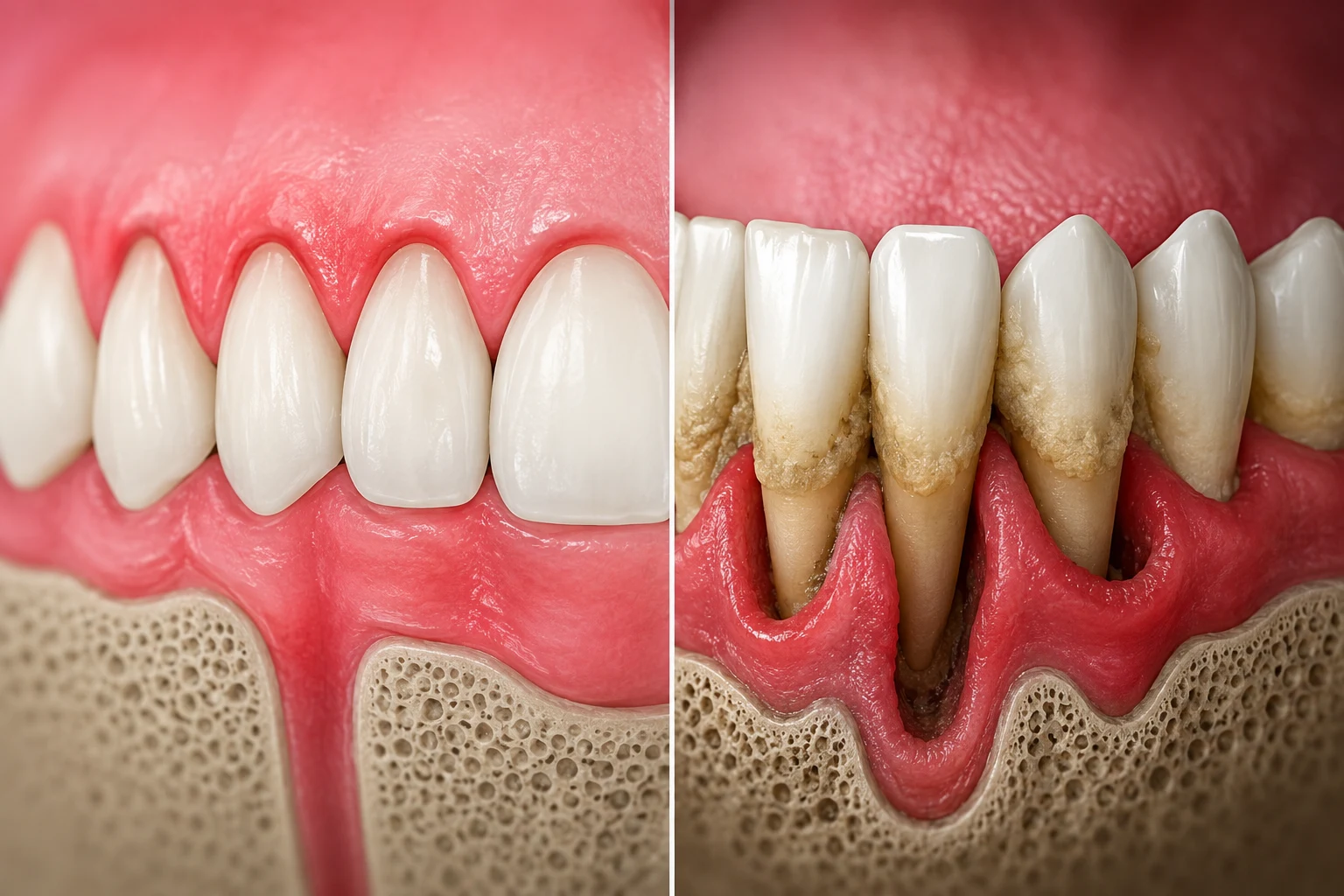
If left untreated, infection may spread beyond the tooth and affect the surrounding bone and gum tissue.
None of these symptoms automatically means that you need a root canal. However, each symptom should be evaluated, particularly if it persists, worsens, or affects daily activities.
Persistent or recurring tooth pain can be an important warning sign. The pain may be constant, or it may improve temporarily and then return.
If a tooth continues to hurt without an obvious cause or the discomfort does not fully resolve, the problem may involve inflammation or damage within the tooth.
Brief sensitivity to cold foods or drinks can occur for several reasons. However, sensitivity that continues for an extended period after the temperature stimulus is gone may require professional evaluation.
For example, if a tooth continues aching after drinking something hot or cold, lingering sensitivity may indicate irritation or inflammation of the pulp.
Warning signs may include:
Persistent pain when biting or chewing should be evaluated by a dentist. Discomfort with pressure may be related to problems involving the tooth structure, pulp, or tissues around the root.
You might notice:
An infection inside a tooth may affect the tissues surrounding the root.
If the gum near a specific tooth becomes swollen, tender, or red, the area should be evaluated by a dentist. Localized swelling may indicate inflammation or infection requiring treatment.
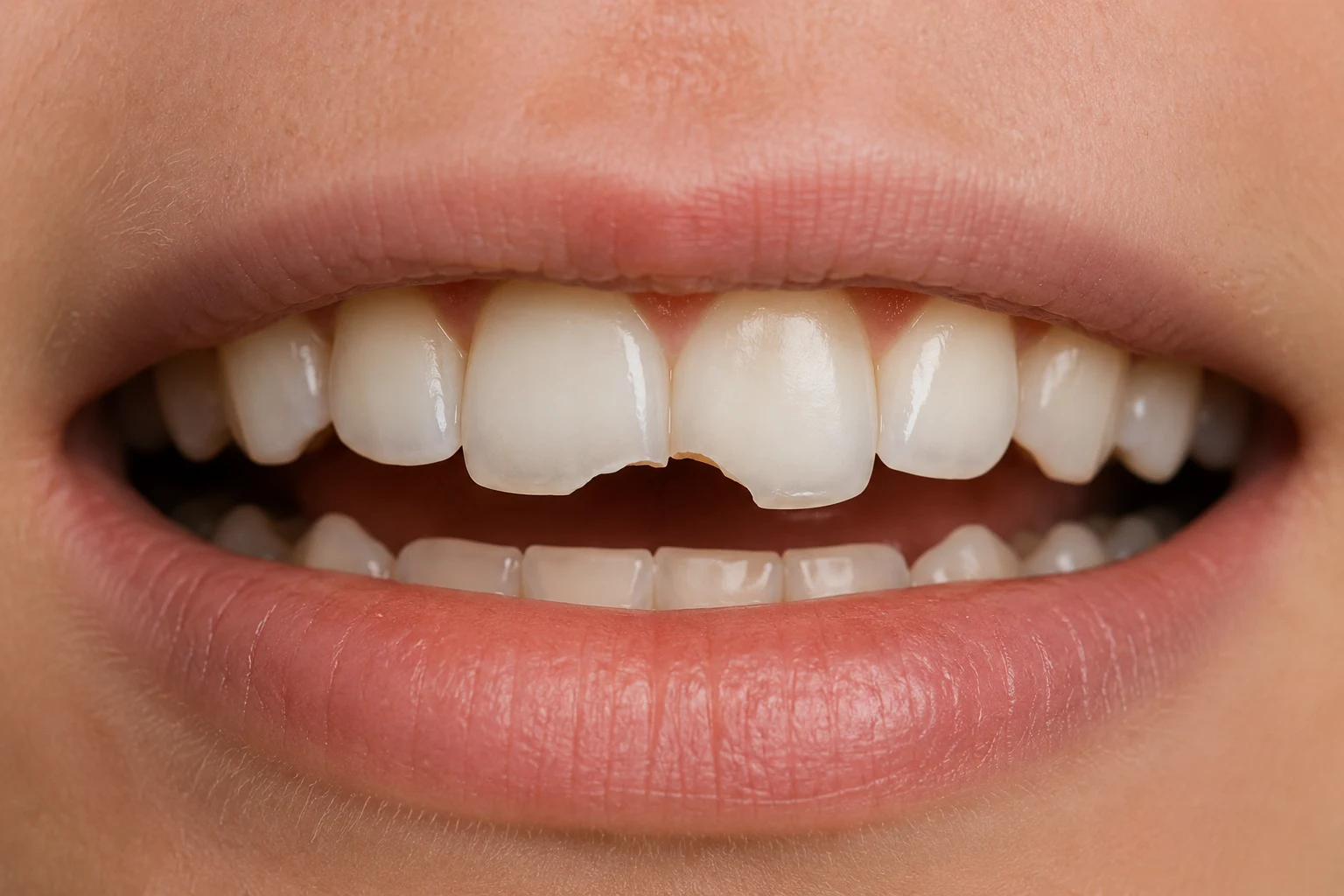
A tooth that becomes noticeably darker or grayer than the surrounding teeth may have experienced changes within the tooth.
Discoloration may be associated with previous trauma, nerve damage, reduced blood supply, or other changes affecting the dental pulp. A dentist can evaluate the tooth to determine the underlying cause.
This type of discoloration may be associated with:
A small raised bump on the gum near a tooth may be associated with a dental abscess.
In some cases, the area may drain and cause an unpleasant taste or odor. A suspected dental abscess should be evaluated promptly because infection may spread if it is not appropriately treated.
When tooth decay progresses deeply enough to reach the pulp chamber, treatment beyond a standard filling may be necessary.
Regular dental examinations can help identify cavities before they become extensive and affect the inner tissues of the tooth.
Tooth pain may occasionally decrease even when the underlying problem has not resolved. In some cases, reduced pain may occur because the nerve inside the tooth has become severely damaged and is no longer responding normally.
The underlying infection or inflammation may still require treatment even if discomfort becomes less noticeable.
Ignoring persistent symptoms may lead to:
Seeking treatment earlier may help reduce the likelihood of more extensive dental complications.
Pain during the procedure is one of the most common concerns patients have about root canal treatment.
Modern local anesthetics are designed to numb the treatment area and improve patient comfort. Once the area is adequately numb, patients may feel pressure or movement during treatment, but the goal is to minimize pain throughout the procedure.
A common misunderstanding is that root canal treatment itself causes the pain associated with an infected tooth.
In many cases, the discomfort is caused by inflamed or infected tissue inside the tooth. Root canal treatment removes the affected pulp tissue and addresses the source of the problem.
Modern dentistry uses diagnostic and treatment technologies that can help dentists evaluate and treat root canal problems more precisely.
Examples include:
These technologies can support accurate diagnosis, efficient treatment, and appropriate restoration of the tooth.
Many patients are able to return to normal activities relatively quickly after root canal treatment, depending on the complexity of the procedure and their individual recovery.
Some mild soreness or tenderness around the treated area may occur for a short period after treatment. Patients should follow their dentist’s post-treatment instructions and contact the dental office if pain becomes severe, persistent, or worsens.
The dentist evaluates your symptoms, examines the tooth, and may take X-rays or other images to determine whether root canal treatment is appropriate.
Local anesthesia is administered to help keep the treatment area comfortable during the procedure.
A small opening is created in the tooth so the dentist can access and remove the infected, inflamed, or damaged pulp tissue.
The canals inside the tooth roots are carefully cleaned, shaped, and disinfected to reduce bacteria and prepare the canals for sealing.
After the canals are cleaned and prepared, they are filled and sealed to help reduce the risk of reinfection.
Depending on the tooth and the amount of remaining structure, a crown or another restoration may be recommended after root canal treatment.
A root canal-treated tooth may be more susceptible to fracture when significant tooth structure has been lost. An appropriate restoration can help protect the tooth during normal chewing.
Related Blog Posts:
Fear of root canal treatment may cause some patients to delay necessary dental care. Unfortunately, delaying evaluation can allow an underlying dental problem to become more complicated and may increase the need for additional treatment.
If you experience persistent tooth pain, lingering temperature sensitivity, swelling near a tooth, discomfort when chewing, or another warning sign discussed above, schedule a dental evaluation. Persistent or worsening symptoms should not be ignored.
At Smiles By Design Dentistry of San Diego, patients receive comprehensive dental care focused on preserving natural teeth whenever possible. Our dental team evaluates the causes of tooth pain, treats dental infections when appropriate, and provides restorative and endodontic care based on each patient’s needs.
Whether you are experiencing persistent tooth pain, sensitivity, swelling, or possible signs of infection, Smiles By Design Dentistry provides personalized care focused on relieving discomfort, protecting your smile, and supporting long-term oral health.
Schedule a consultation to determine the cause of your symptoms and discuss the treatment options that may be appropriate for you.
Recurring tooth pain, lingering sensitivity to hot or cold, pain when biting down, and swollen or tender gums around a specific tooth are among the earliest signs the inner pulp may be infected or inflamed.
A quick zing from cold food is normal, but sensitivity that lingers for several minutes after the trigger is gone suggests the pulp is inflamed and not behaving like healthy tissue — worth having checked.
That's often a dental abscess draining an active infection, and it shouldn't be watched and waited on since the infection can spread to nearby teeth or tissue if left untreated.
Yes, and it's actually a warning sign rather than good news. Pain that stops abruptly can mean the nerve has died and stopped sending signals, while the underlying infection is still active and spreading quietly.
Pain specifically triggered by chewing pressure points to something wrong inside the tooth or around the root tip and should be evaluated, since a healthy tooth normally handles bite pressure without discomfort.
Discoloration coming from inside the tooth, rather than surface staining, can indicate nerve damage, past trauma, or a failing blood supply, and should be evaluated by a dentist rather than treated as cosmetic.
Not with modern anesthesia and technology. The infected pulp is actually what's causing the pain beforehand, and most patients report feeling noticeably better once the procedure removes it.
Untreated infection can lead to a dental abscess, bone loss around the root, a cracked or fractured tooth, and in some cases loss of the tooth entirely, along with pain that eventually returns much worse.
In most cases, yes. Removing the pulp leaves the tooth more brittle over time, so a crown is typically placed afterward to protect it from cracking under normal chewing pressure.
Digital X-rays, 3D cone beam imaging, and modern rotary instruments allow for more precise diagnosis and cleaner treatment than was possible even twenty years ago — generally meaning less time in the chair and fewer complications.