

In the early stages, jaw pain, facial tension, headaches, and tooth sensitivity can seem like minor issues. This is why many people tend to ignore symptoms such as jaw clicking, teeth grinding at night, or morning stiffness until they begin to affect sleep, chewing, talking, or daily activities.
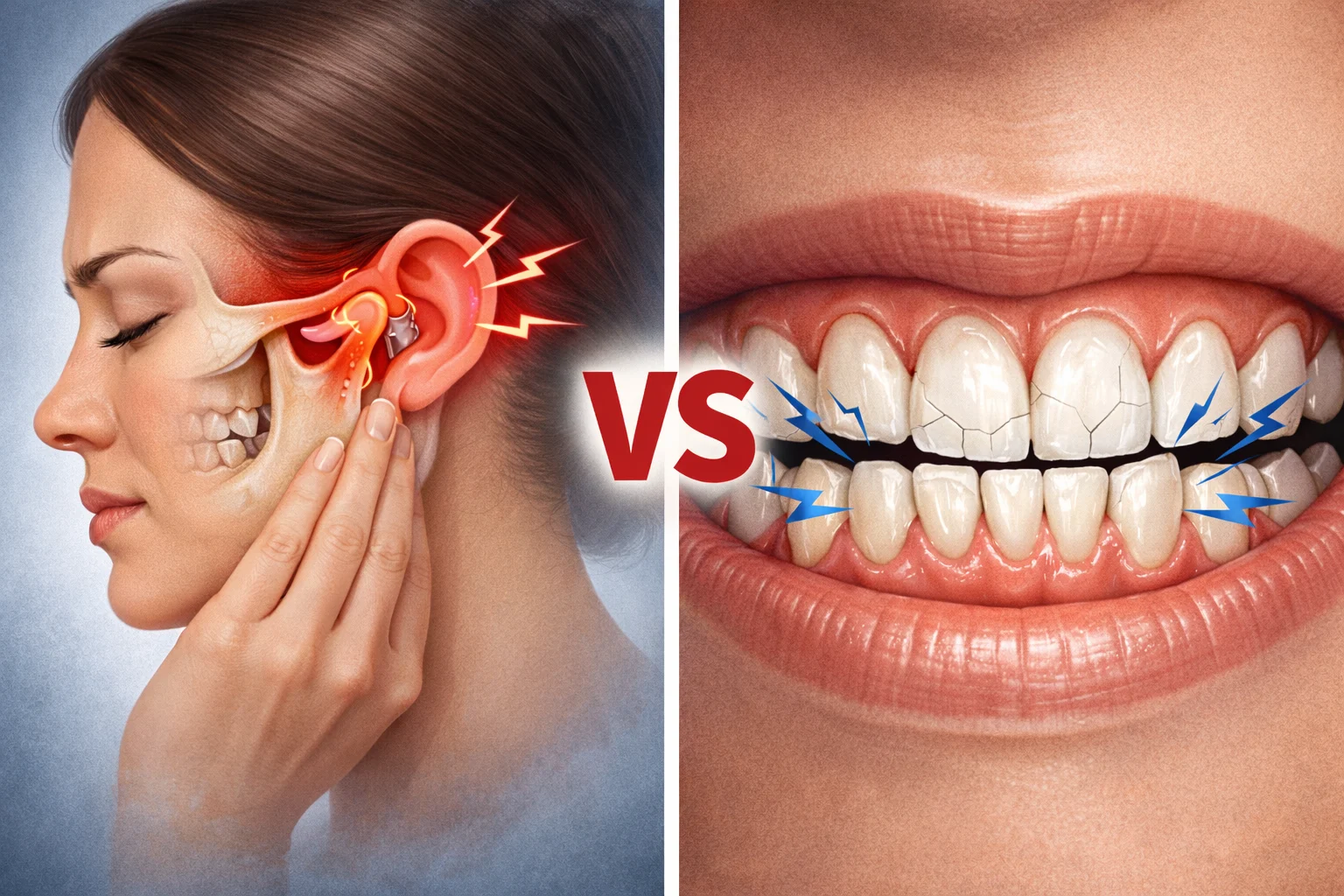
Many people are confused about the difference between TMJ disorder and teeth grinding because both conditions can cause similar symptoms, including jaw discomfort, facial tension, and tooth sensitivity. However, TMJ Disorder and teeth grinding are not the same condition and may require different treatments.
TMJ disorder affects the jaw joint and surrounding muscles, whereas teeth grinding (bruxism) involves clenching or grinding the teeth, especially during sleep. Keep reading to explore the key differences between TMJ disorder and teeth grinding.
TMJ disorder occurs when the temporomandibular joints connecting the jaw to the skull are affected. These joints are responsible for jaw movement during chewing, speaking, yawning, and other normal facial movements throughout the day.
Some common TMJ problems include:
In some people, teeth grinding (bruxism) involves excessive clenching or grinding of the teeth during sleep or periods of stress. Many people do not notice the habit because it often happens without their awareness while they are asleep.
Teeth grinding can affect:
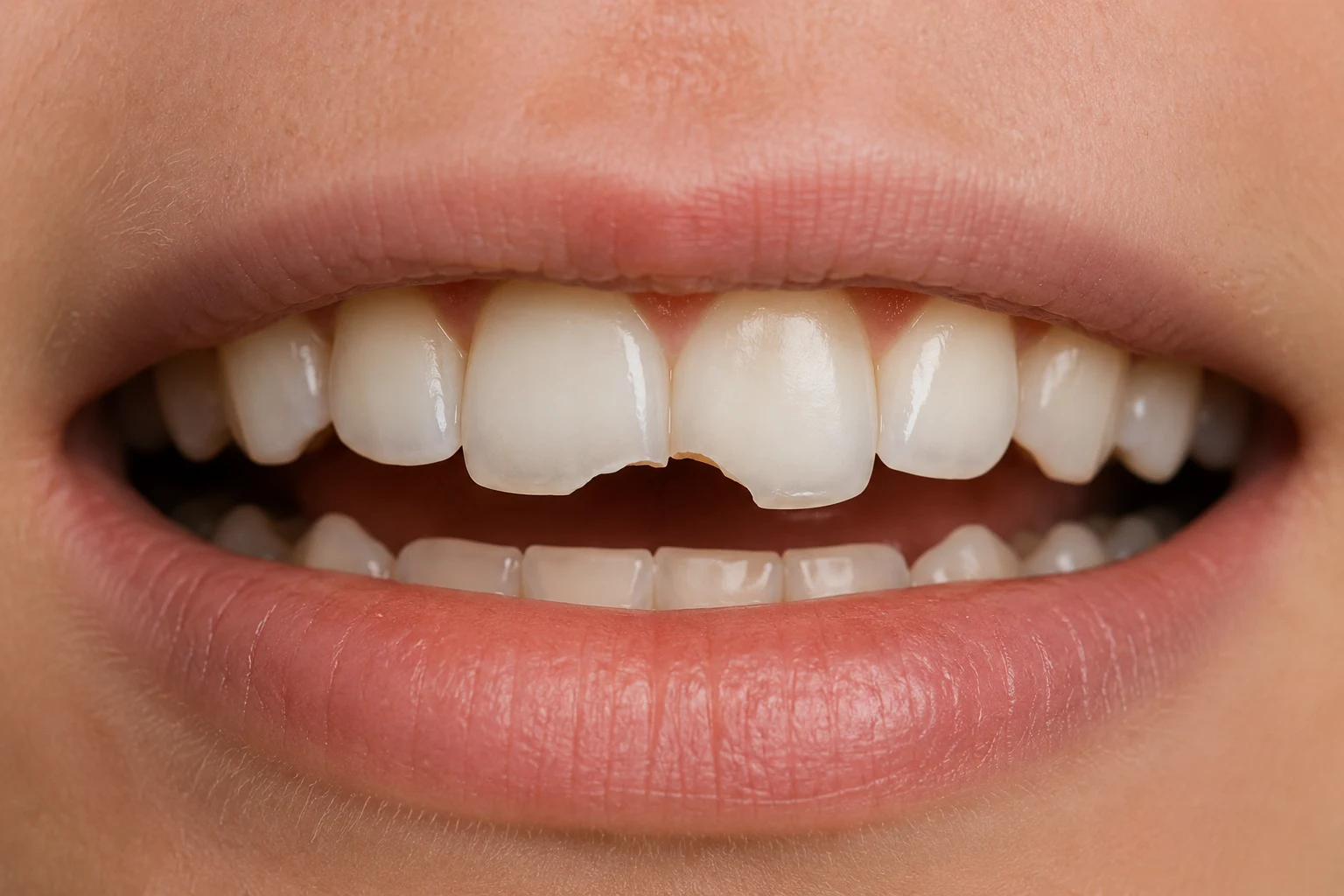
Over time, grinding can cause cracked teeth, tooth sensitivity, muscle fatigue, and other dental problems.
The primary symptoms of TMJ disorder are pain and discomfort in the temporomandibular joints, which are responsible for jaw movement and function. Jaw clicking, locking, restricted movement, and joint pain while chewing, speaking, or opening the mouth are common symptoms.
The primary effects of teeth grinding involve the tooth surfaces, jaw muscles, and bite forces. Continuous grinding can wear down the teeth, increase sensitivity, and fatigue the jaw muscles. Bruxism itself is not necessarily a structural joint problem; instead, it involves repeated clenching or grinding forces.
People with TMJ disorder may experience clicking, popping, or grinding sounds as they move their jaw through its range of motion. These sounds may be associated with irregular joint movement or changes in disc position. While teeth grinding can also lead to muscle pain, jaw clicking is more commonly associated with TMJ problems.
Over time, teeth grinding can cause enamel wear, chipped or cracked teeth, and increased tooth sensitivity. Constant pressure gradually wears down tooth structure. TMJ disorder tends to cause jaw discomfort and movement-related symptoms, while significant enamel loss and visible tooth wear may indicate ongoing bruxism.
Brief jaw locking or difficulty opening and closing the mouth smoothly can point to TMJ dysfunction. This may happen when joint movement is restricted or the joint becomes irritated. Teeth grinding is more commonly associated with muscle tension, jaw soreness, and tooth wear rather than true jaw locking.
Some people develop TMJ disorders because of arthritis, jaw trauma, bite issues, or ongoing joint problems, even if they do not regularly grind their teeth. TMJ problems can occur independently of bruxism. This makes an accurate diagnosis important before assuming that every jaw symptom is caused by teeth grinding.
Several factors can contribute to the development of TMJ dysfunction.
Bruxism can be associated with several physical, behavioral, or emotional factors.
Stress and anxiety may contribute to unconscious jaw clenching or grinding, particularly during sleep.
Disrupted sleep and certain sleep-related conditions may be associated with nighttime bruxism and muscle tension.
Bite-related problems may contribute to uneven pressure on the teeth and additional jaw strain.
For some people, caffeine, alcohol, tobacco, or other stimulants may make teeth grinding worse.
TMJ treatment largely depends on the severity of symptoms, the condition of the joint, muscle tension, and the underlying factors affecting jaw function. Early evaluation may help relieve pain, improve mobility, and reduce the risk of symptoms becoming more persistent.
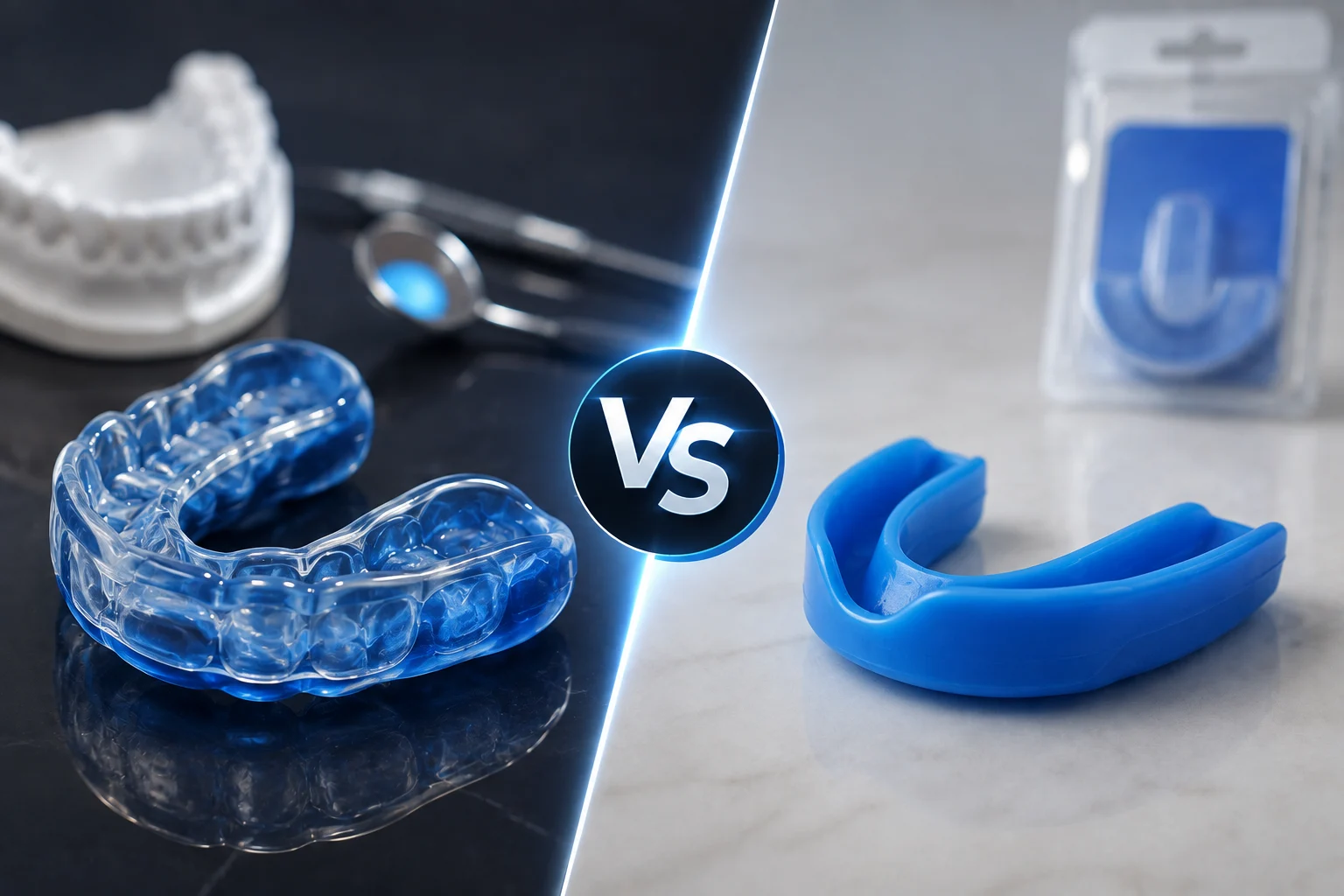
Custom oral appliances or splints may help reduce stress on the jaw, protect the teeth, and minimize excessive pressure while sleeping.
Jaw exercises and physical therapy may help improve jaw mobility, relax tight muscles, and strengthen the muscles that support jaw function in people experiencing chronic TMJ discomfort.
Jaw clenching and muscle tension can become worse during periods of stress. Relaxation techniques and stress management may help reduce tension in the jaw and surrounding facial muscles.
When bite-related issues contribute to symptoms, appropriate dental treatment may help improve how forces are distributed during chewing and other jaw movements.
Some patients may use anti-inflammatory medications or other pain-relief approaches for a short period to help manage swelling, discomfort, and muscle tension affecting jaw movement.
Treatment for teeth grinding focuses on protecting the teeth from damage, reducing muscle tension, and limiting the effects of repeated grinding or clenching. Addressing the problem early may help prevent further enamel wear, cracks, sensitivity, and other dental complications.
Custom night guards can help protect the teeth from damage caused by nighttime grinding and reduce direct pressure between the upper and lower teeth.
Some patients may reduce nighttime grinding and muscle tension by managing stress, improving sleep habits, and limiting caffeine or alcohol, especially in the evening.
Teeth damaged by grinding may require crowns, bonding, veneers, or other restorative dental procedures to repair cracks, worn enamel, or other structural damage.
Stretching and relaxation exercises may help relieve tight jaw muscles, reduce tension, and ease discomfort associated with clenching and grinding.
When bite-related problems contribute to uneven pressure or jaw strain, appropriate dental treatment may help improve bite balance and reduce stress on the teeth and jaw.
Related Blog Posts
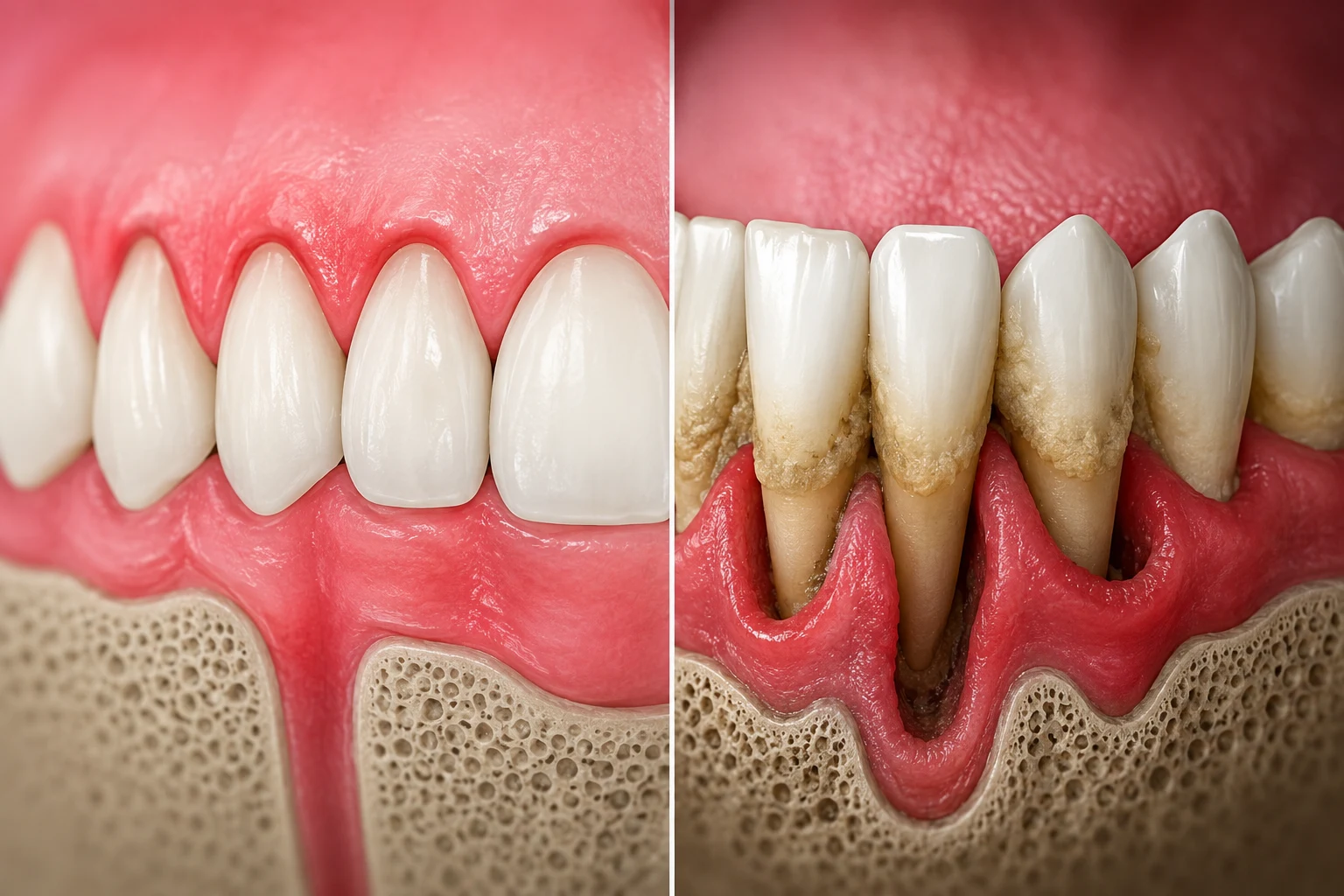
Ignoring jaw pain, nighttime grinding, headaches, or facial tension can allow symptoms to become more persistent. Over time, TMJ dysfunction and teeth grinding may affect the jaw joints, teeth, facial muscles, and overall oral health.
If symptoms continue or begin interfering with your daily activities, getting a professional dental evaluation is important. Smiles By Design Dentistry of San Diego provides dental care for patients experiencing TMJ disorders, teeth grinding, bite-related concerns, and other oral health problems.
Our dental team works to identify the factors contributing to each patient’s symptoms. Depending on the diagnosis, treatment may focus on relieving discomfort, protecting the teeth from damage, and improving jaw function. The goal is to support better oral health, improved comfort, and healthier jaw function over time.
TMJ disorder affects the temporomandibular joints and surrounding muscles connecting the jaw to the skull, while teeth grinding (bruxism) is a clenching/grinding habit that mainly damages tooth enamel and tires jaw muscles. TMJ is a joint problem; bruxism is a repetitive-force habit — though the two often occur together.
Ongoing grinding places repeated stress on the jaw joints and can contribute to TMJ symptoms over time, though TMJ disorder can also develop from arthritis, jaw trauma, or bite misalignment without any grinding habit at all.
TMJ pain tends to center on the joint itself, with clicking, popping, or restricted movement, while grinding-related pain shows up more as worn or sensitive teeth and tired jaw muscles. A dentist can examine both the joint and the teeth to pinpoint the actual source.
Clicking or popping sounds are a common TMJ symptom and less typical of teeth grinding alone, which usually causes muscle soreness and tooth wear rather than joint noise. Persistent clicking is still worth having evaluated.
Yes. TMJ disorder can stem from jaw injury, arthritis, or bite misalignment even in patients who don't grind their teeth, which is why an accurate diagnosis matters before assuming every jaw symptom is related to bruxism.
Grinding damage is typically managed with night guards and, when needed, restorative work like crowns or bonding, while TMJ joint pain often responds better to bite adjustment, physical therapy, or stress management aimed at the joint itself.
A night guard helps protect teeth and reduce jaw load, but TMJ disorder often needs additional care such as physical therapy, bite evaluation, or stress management depending on what's actually causing the joint dysfunction.
Morning jaw stiffness, tooth sensitivity, flattened or chipped tooth edges, and sore facial muscles upon waking are common early indicators, even before a partner notices the grinding sound at night.
Yes, chronic stress is a shared trigger for both conditions since it increases jaw clenching and muscle tension, which is why stress management is often part of treatment for either issue.
It's worth scheduling an exam once jaw discomfort, clicking, or grinding starts interfering with sleep, chewing, or daily comfort, since both conditions tend to get harder to treat the longer they go unaddressed.