
July 13, 2026
Sedation Dentistry in San Diego: What It Is, Who It's For, and What to Expect


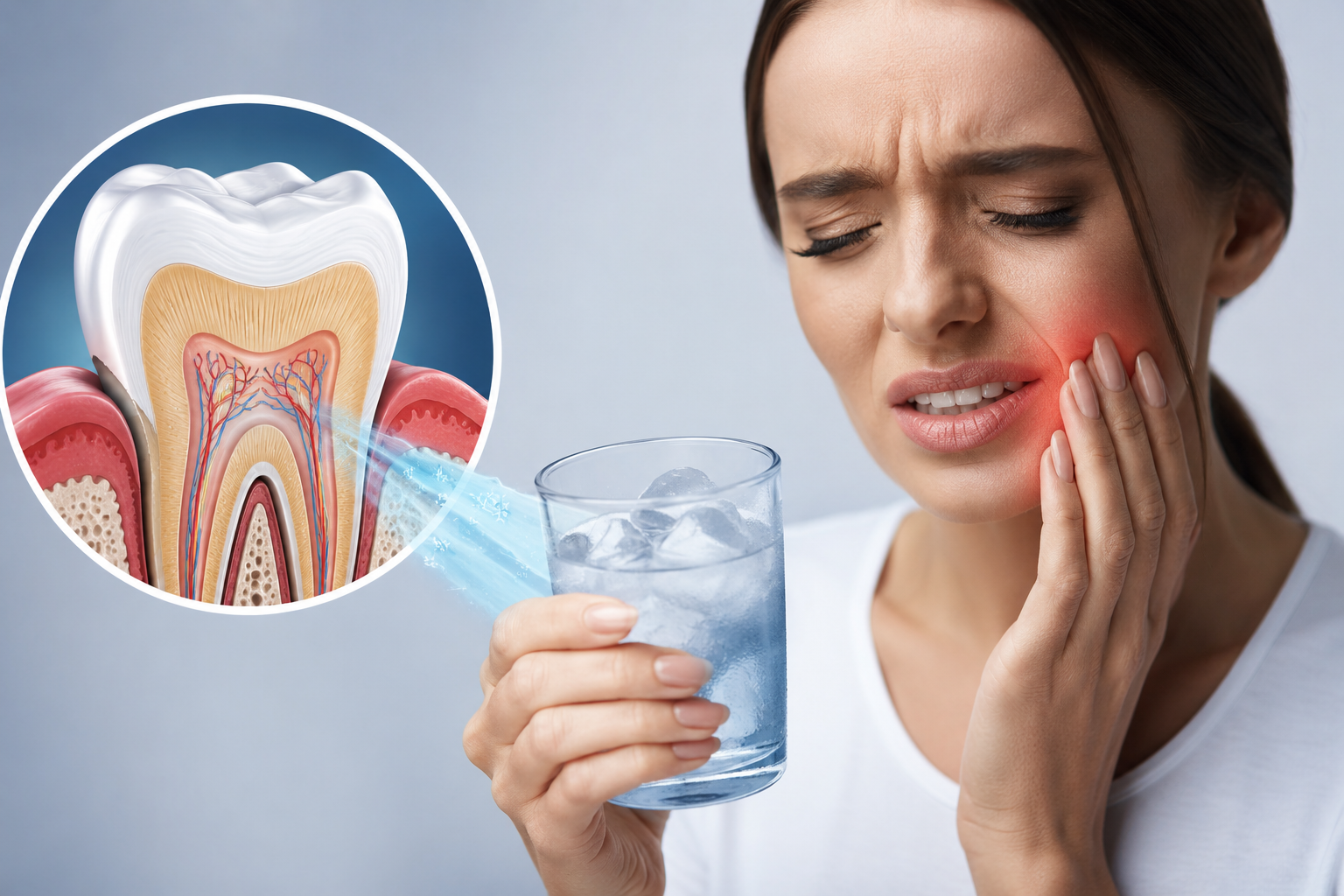
For many people, fear and anxiety can make dental visits stressful or even cause them to postpone necessary treatment. Maybe it's a bad experience from years ago, a gag reflex, sensitive teeth, the need for extensive dental work, or just a long list of work to be done. The problem is that avoiding dental care doesn't make the issue go away; it usually just makes things worse down the road.
That's where sedation dentistry comes in. It helps patients feel more relaxed and comfortable during dental procedures.
If you know just what the appointment will actually feel like, who it's for, and how it works, you'll be a lot more at ease before the appointment begins.
Sedation dentistry is a practice that helps you relax during treatments. Depending on which type you get, you might stay fully awake the whole time, just calm and at ease. It's usually paired with local anesthesia, too, which numbs the area being worked on so you don't feel pain.
The goal of sedation dentistry is not necessarily to put patients completely to sleep. It's about taking the edge off the anxiety and discomfort so the whole appointment goes smoother, for you and for the dental team working on you.
People assume sedation is just for those who are terrified of the dentist, but it actually helps in many different situations.
You may be a suitable candidate if you are a person who:
You probably know this one as laughing gas. You breathe it in through a mask, and it helps you relax while you stay awake and able to respond. The good thing is that its effects wear off pretty fast after the procedure
This involves taking a prescribed pill before your appointment. You will be awake but will probably feel much more relaxed and not notice much of what's going on during the procedure.
This is one that you get directly into your bloodstream by IV. It gets you to a deeper level of relaxation, and your dentist can adjust the dose as needed throughout the procedure.
Sedation dentistry is safe when administered properly by a qualified dentist. Your dentist will review your health status, medications, and medical history before suggesting it.
Sticking to the instructions you're given before and after treatment really matters too, since that's a big part of keeping things safe and making sure everything goes well.
Related Blog :
Being scared of the dentist shouldn't keep anyone from getting the care they actually need. Sedation dentistry can make a real difference, turning a stressful visit into one where you actually feel calm and in control. If fear or discomfort has kept you putting off treatment, the right sedation option could change that completely.
At Smiles By Design Dentistry of San Diego, we care most about making patients feel comfortable. We take the time to find out what is causing your anxiety, talk you through your choices, and make your experience more comfortable, no matter how many years you have been avoiding the dentist. You should have a healthy smile without the worry that accompanies it.
1. Is sedation dentistry safe?
Yes, sedation dentistry is safe when it's administered by a trained, qualified dentist who reviews your medical history beforehand. Your dentist monitors you throughout the procedure and adjusts the sedation level as needed to match your health status and the treatment being done.
2. Will I be asleep during a sedated dental procedure?
Not necessarily — most sedation dentistry keeps you conscious, not asleep. Nitrous oxide and oral conscious sedation leave you awake and able to respond, while IV sedation brings a deeper level of relaxation; only general anesthesia results in full unconsciousness.
3. Who is a good candidate for sedation dentistry?
Good candidates include people with moderate to severe dental anxiety, a strong gag reflex, sensitive teeth, or those needing long or complex procedures. It's also a good option for anyone who has avoided the dentist for years or has trouble sitting still for extended appointments.
4. How long do the effects of dental sedation last?
It depends on the type: nitrous oxide wears off within minutes of removing the mask, while oral conscious sedation and IV sedation can leave you groggy for several hours afterward. Your dentist will give you specific aftercare and recovery guidance based on which sedation you received.
5. Do I need someone to drive me home after sedation dentistry?
Yes, if you receive oral conscious sedation or IV sedation, you'll need someone to drive you home since you won't be in a safe condition to drive yourself. Nitrous oxide is the exception — its effects clear quickly enough that most patients can drive themselves afterward.