June 24, 2026
Why Are My Teeth Sensitive to Cold? Causes, Treatments, and When to See a Dentist


That sharp sensation when you take a sip of cold water or bite into ice cream can be difficult to ignore. It may happen quickly and disappear just as fast. Many people overlook occasional sensitivity at first, but when it becomes frequent or starts getting worse, it deserves attention.
Cold sensitivity is common, but persistent symptoms may indicate that something has changed in the protective structure of a tooth. Enamel may have become thinner, the gums may have receded and exposed part of the root, or tooth decay may be developing beneath the surface. The sharp sensation is a symptom, and identifying the underlying cause is important.
Early evaluation can often make dental problems easier to manage. A small cavity may require only a filling, while more advanced decay may need more extensive treatment. Mild gum recession may also be easier to manage before it progresses.
If you regularly experience cold sensitivity, this article explains what may be causing it, how it can be treated, and when you should consider seeing a dentist.
Tooth sensitivity to cold refers to discomfort, pain, or a sharp sensation that occurs when one or more teeth are exposed to cold temperatures. It may occur when dentin becomes exposed or when the nerve inside the tooth becomes irritated.
Common triggers include:
Discomfort can range from mild sensitivity to more intense pain, depending on the underlying cause.
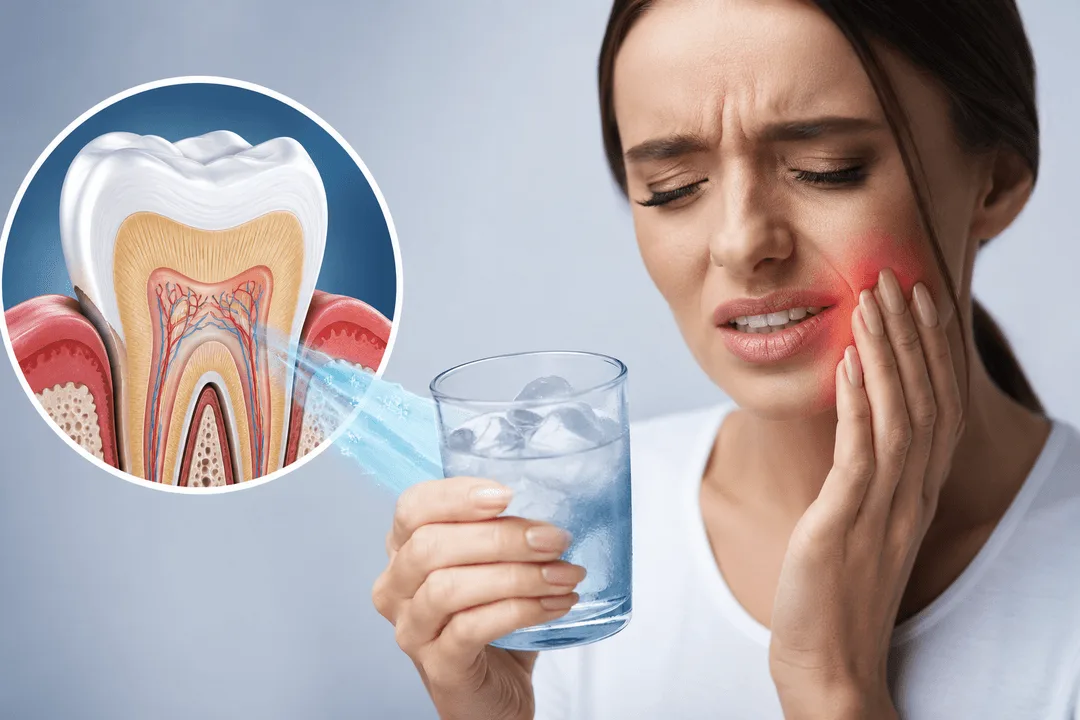
Understanding the structure of a tooth can help explain why cold sensitivity develops. Enamel is the hard outer layer of the tooth and helps protect against temperature changes, bacteria, and everyday wear.
Beneath the enamel is dentin, a softer layer containing microscopic channels called dentinal tubules. These channels communicate with the inner part of the tooth, where the nerve is located.
When enamel remains intact and the gums adequately cover the tooth roots, the dentin stays protected. However, if enamel wears away or the gums recede, cold temperatures may affect exposed dentin and trigger sensitivity.
Protective structures include:
When any of these protective structures becomes compromised, sensitivity may develop.
Several dental conditions may contribute to cold sensitivity. Identifying the underlying cause is important because treatment depends on the source of the problem.
Enamel is strong, but it can gradually wear down over time. Once enamel is lost, the body cannot naturally regenerate it. As enamel becomes thinner, more dentin may become exposed, increasing sensitivity to cold.
Common causes of enamel erosion include:
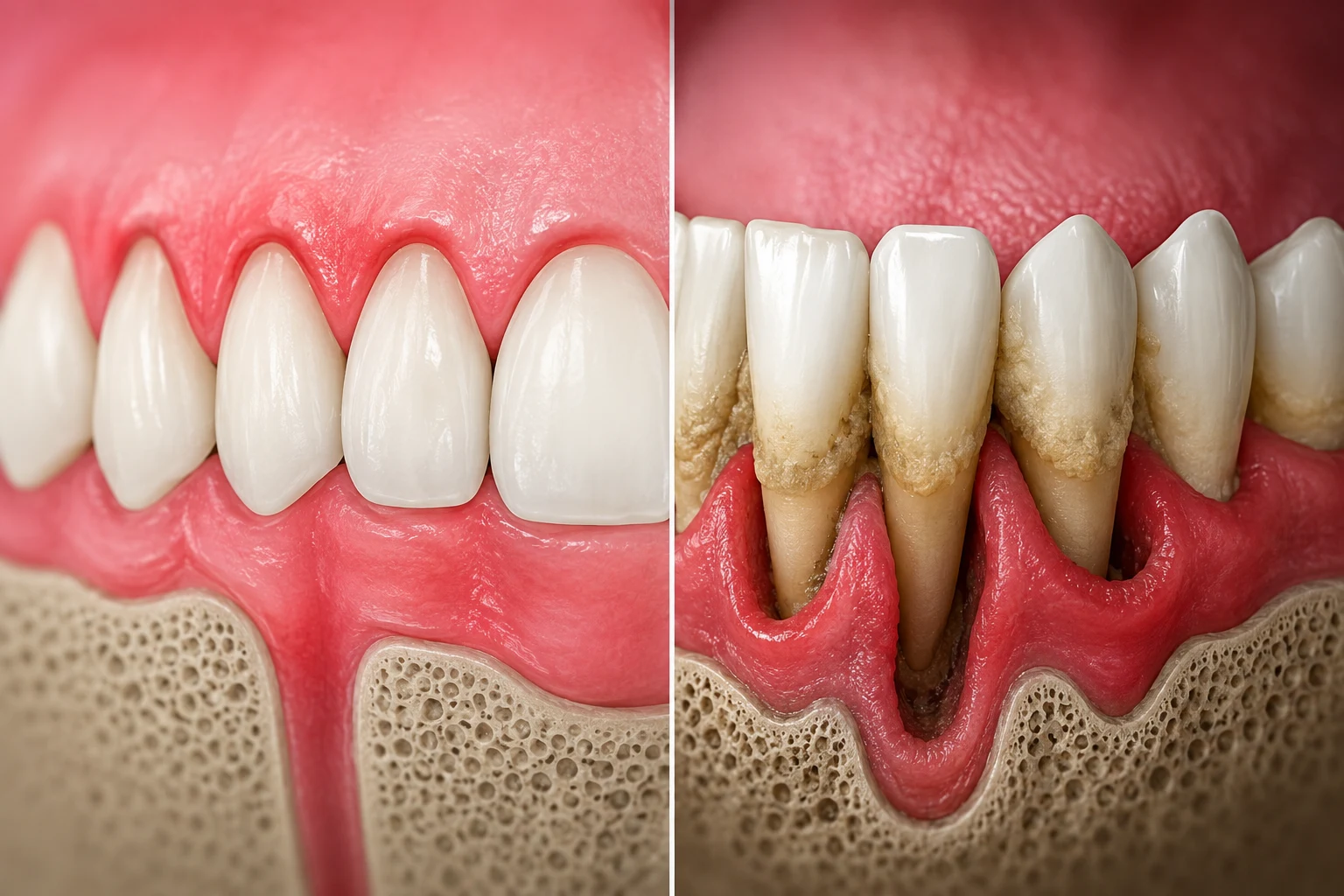
The root of a tooth is not covered by enamel. Instead, it is protected by cementum, which is thinner and provides less protection against temperature changes.
When the gums recede and expose part of the root surface, cold foods, beverages, or even cool air may trigger sensitivity.
Gum recession may result from:
A cavity is an area of tooth decay that damages the tooth structure. As decay progresses deeper into the tooth, cold temperatures may reach more sensitive layers.
If cold sensitivity is becoming more frequent or severe, progressing tooth decay should be evaluated as a possible cause.
Sensitivity from cavities may worsen when:
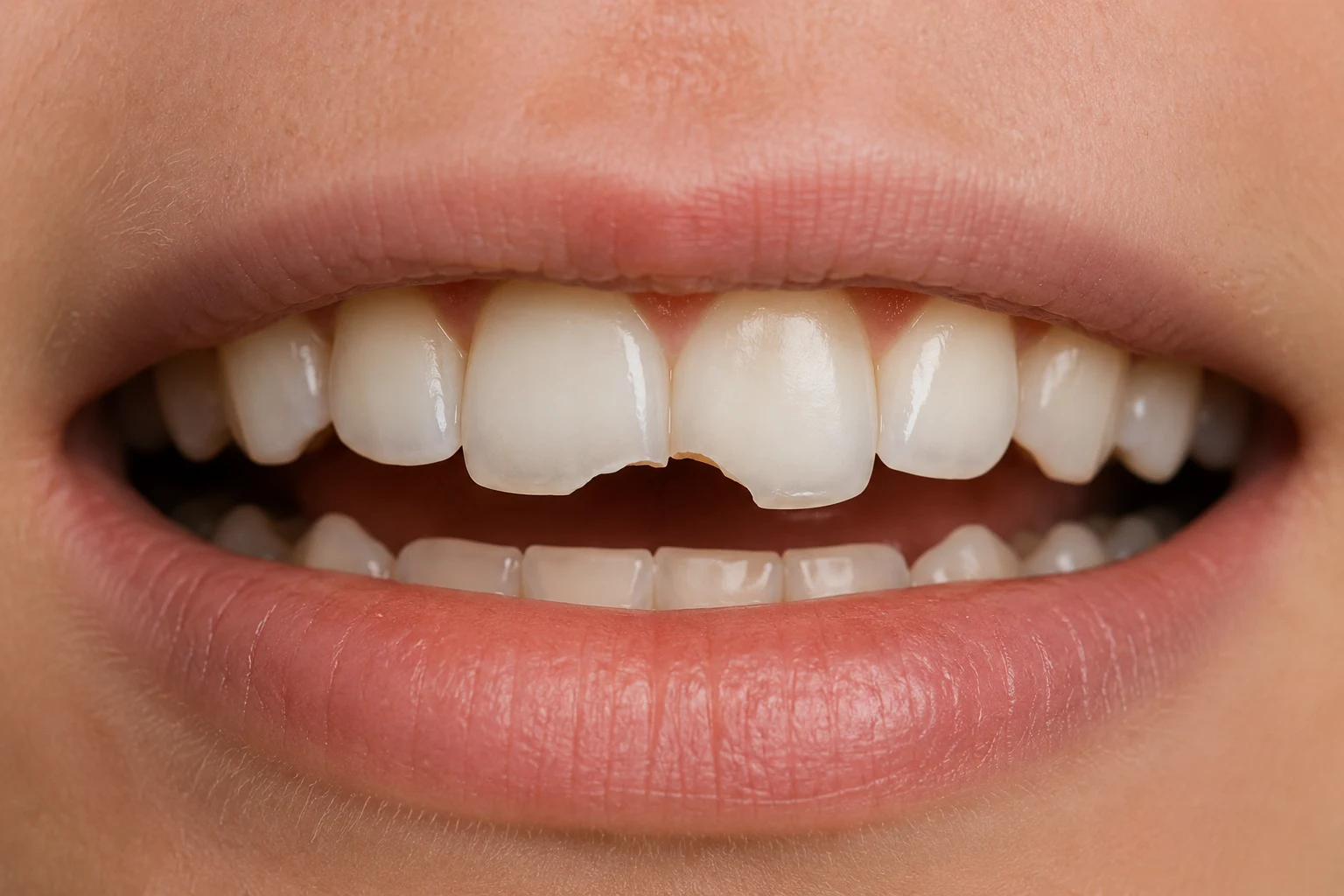
Not all tooth cracks are visible, and some may cause intermittent rather than constant pain. A small fracture may allow temperature changes to reach sensitive internal tooth structures.
If sensitivity is concentrated in one tooth and occurs with both cold exposure and biting pressure, the tooth should be evaluated for a possible crack.
Signs may include:
Teeth whitening can temporarily increase sensitivity in some patients. This type of sensitivity often improves within several days.
If sensitivity continues for more than a week, becomes severe, or worsens over time, it may be helpful to discuss the symptoms with your dentist.
Fillings and crowns may wear down, loosen, or develop small gaps over time. When this happens, the underlying tooth structure may become more exposed to temperature changes.
Problems may include:
Many people grind their teeth at night without realizing it. Over time, repeated pressure and friction may contribute to enamel wear on the biting surfaces of the teeth.
If you wake up with jaw soreness, frequent headaches, or notice that your teeth appear flattened or worn, grinding may be contributing to tooth sensitivity.
Signs of bruxism may include:
When cold sensitivity is severe, persists after the cold stimulus is gone, or occurs alongside pain when biting or gum swelling, the problem may involve the dental pulp or surrounding tissues.
These symptoms should be evaluated by a dentist to determine whether the nerve inside the tooth is inflamed, infected, or otherwise affected.
Symptoms may include:
The type and duration of discomfort can provide useful clues about the underlying cause.
Patients may experience:
Knowing when sensitivity occurs, what triggers it, how long it lasts, and whether it is worsening can help a dentist evaluate the cause more accurately.
Treatment depends on the underlying cause of the sensitivity rather than simply reducing symptoms temporarily.
Desensitizing toothpastes may work by helping block exposed dentin tubules or by reducing nerve sensitivity within the tooth.
Two commonly used active ingredients are potassium nitrate and stannous fluoride. These ingredients generally require consistent use before noticeable improvement occurs.
Timeline: Daily use for 2 to 4 weeks
Professional fluoride treatments use concentrated fluoride products that may help strengthen weakened enamel, protect exposed dentin, and reduce sensitivity to temperature changes.
This in-office treatment may help reduce sensitivity in appropriate patients.
Timeline: Every 3 to 6 months or as recommended
If a root surface is exposed or enamel has worn away in a localized area, tooth-colored bonding material may be placed over the surface.
Bonding can cover exposed dentin and reduce the transmission of temperature-related stimuli to sensitive areas of the tooth.
Timeline: Typically completed in a single appointment
When gum recession is associated with active periodontal disease, treating the underlying gum condition is important.
Managing inflammation and infection may help limit further gum recession and improve oral health. Sensitivity may also improve as the condition is brought under control.
Timeline: Several weeks to several months, depending on severity
Worn, cracked, loose, or poorly sealed restorations may need to be repaired or replaced.
Restoring the seal around the tooth may help reduce sensitivity caused by exposed or irritated tooth structure.
Timeline: Usually 1 to 2 appointments
If the nerve inside the tooth is severely inflamed or infected, root canal treatment may be recommended.
During treatment, the affected pulp tissue is removed, the canals are cleaned and sealed, and the tooth may later receive a crown or another restoration depending on its condition.
Timeline: Usually 1 to 2 visits, depending on complexity
Although not every case of sensitivity can be prevented, certain habits may help reduce the risk.
Medium or hard toothbrush bristles combined with excessive pressure may contribute to enamel wear and gum irritation.
A soft-bristled toothbrush used with gentle pressure can clean the teeth effectively while reducing unnecessary stress on the enamel and gums.
Soda, citrus fruits, vinegar-based foods, and sports drinks can temporarily affect the enamel surface.
Frequent acidic exposure may contribute to gradual enamel erosion. Rinsing with water after consuming acidic foods or beverages may help reduce acid exposure.
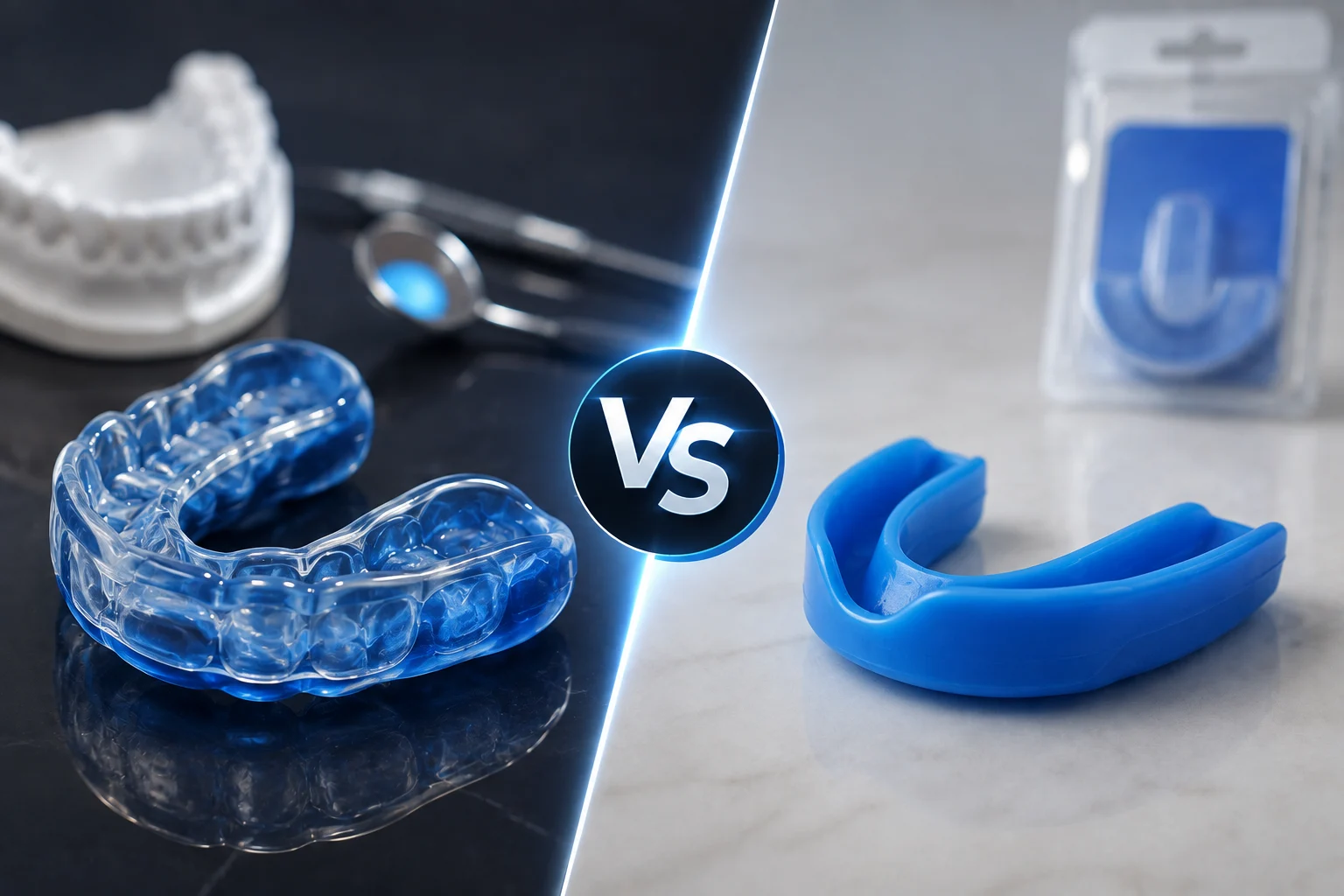
If you grind or clench your teeth, a custom night guard may help protect the teeth from grinding-related wear and excessive pressure.
Routine dental examinations can help identify cavities, worn restorations, gum problems, and other concerns before sensitivity becomes more severe.
Daily brushing and flossing help support healthy teeth and gums and may reduce the risk of conditions associated with tooth sensitivity.
Brief, occasional sensitivity may not always indicate a serious dental problem. However, certain symptoms should be evaluated professionally.
Consider seeing a dentist if you experience:
Early diagnosis may allow for simpler and less extensive treatment in many cases.
Related Blog Posts:
Many people tolerate cold sensitivity for months or even years because they assume it is something they simply have to live with. However, persistent sensitivity should not be ignored.
Sensitivity may indicate changes involving the enamel, gums, dental restorations, tooth structure, or nerve. Many of these conditions can be managed more effectively when they are identified early.
Untreated enamel wear or tooth decay may progress over time and eventually require more extensive treatment. Early evaluation can help identify the cause and determine the most appropriate treatment.
At Smiles By Design Dentistry of San Diego, patients receive comprehensive dental evaluations focused on identifying the underlying cause of tooth sensitivity rather than simply addressing symptoms.
Our dental team helps patients manage enamel wear, gum recession, cavities, damaged restorations, and other dental concerns through personalized treatment plans designed to restore comfort, protect oral health, and reduce the risk of future complications.
If cold sensitivity is affecting your daily life, schedule a consultation with Smiles By Design Dentistry of San Diego to determine the cause of your symptoms and discuss appropriate treatment options.
Cold sensitivity can occur when dentin becomes exposed or when the nerve inside a tooth becomes irritated. Common causes include enamel wear, gum recession, cavities, cracked teeth, and worn restorations.
Brief, occasional sensitivity can occur, but frequent, worsening, or prolonged sensitivity should be evaluated by a dentist to determine the underlying cause.
Yes. As enamel becomes thinner, the dentin underneath may become more exposed, allowing temperature changes to trigger sensitivity.
Yes. When gums recede, part of the tooth root may become exposed. Root surfaces have less protective covering than tooth enamel and may be more sensitive to cold temperatures.
Yes. As tooth decay progresses into deeper layers of the tooth, cold foods and beverages may trigger discomfort or pain.
Temporary tooth sensitivity can occur after whitening treatment. It often improves within several days, although persistent or severe sensitivity should be discussed with a dentist.
Teeth grinding or clenching may contribute to enamel wear, which can increase tooth sensitivity over time.
Desensitizing toothpaste may help reduce sensitivity by blocking exposed dentin tubules or reducing nerve sensitivity. Consistent use is generally required before improvement is noticed.
Consider a dental evaluation if sensitivity lasts for several weeks, becomes more severe, affects one specific tooth, interferes with eating or drinking, or occurs with swelling or pain.
If severe or prolonged sensitivity is caused by significant inflammation or infection inside the tooth, root canal treatment may sometimes be recommended after a professional evaluation.