

Last Updated: March 2026
Dental crowns are restorations used to strengthen and protect damaged teeth. The cost of a dental crown in San Diego can vary depending on several factors, including the material used, the condition of the tooth, and whether additional procedures are required before placement.
Dentists evaluate tooth structure, bite forces, and surrounding tissues before recommending a crown. Materials such as porcelain, zirconia, and porcelain-fused-to-metal each have different durability, aesthetic qualities, and manufacturing requirements, which can influence cost.
Understanding these factors helps patients make informed decisions about restorative dental care.
Introduction
Dental crowns are one of the most commonly used restorative treatments in modern dentistry. When a tooth becomes weakened by decay, fracture, or structural wear, placing a crown can help restore both strength and function.
A crown functions as a protective cap that covers the visible portion of the tooth above the gumline. By encasing the tooth, the crown helps distribute chewing forces more evenly and protects the remaining natural tooth structure.
Patients who are advised to receive a crown often want to understand the cost of treatment and what factors influence pricing. Dental crown costs vary because every restoration is customized for the individual tooth and patient.
The material used, the condition of the tooth, and the complexity of treatment planning all contribute to cost differences.
At Smiles By Design Dentistry of San Diego, dentists carefully evaluate the condition of each tooth before recommending restorative treatment that supports long-term oral health.

Cost is one of the biggest differences between these two treatments: fillings are generally the more affordable option because they repair only a portion of the tooth, while crowns cost more due to the additional preparation, materials, and lab fabrication required to cover the entire visible tooth. The right choice and the price that comes with it depends on how much natural tooth structure remains and how extensive the damage is. Not sure which one you need? Read our full crown vs. filling comparison guide to see exactly how dentists decide.
Dentists typically recommend a crown when a tooth has lost enough structural strength that a filling alone cannot provide adequate protection.
Common situations include:
• large cavities weakening the tooth
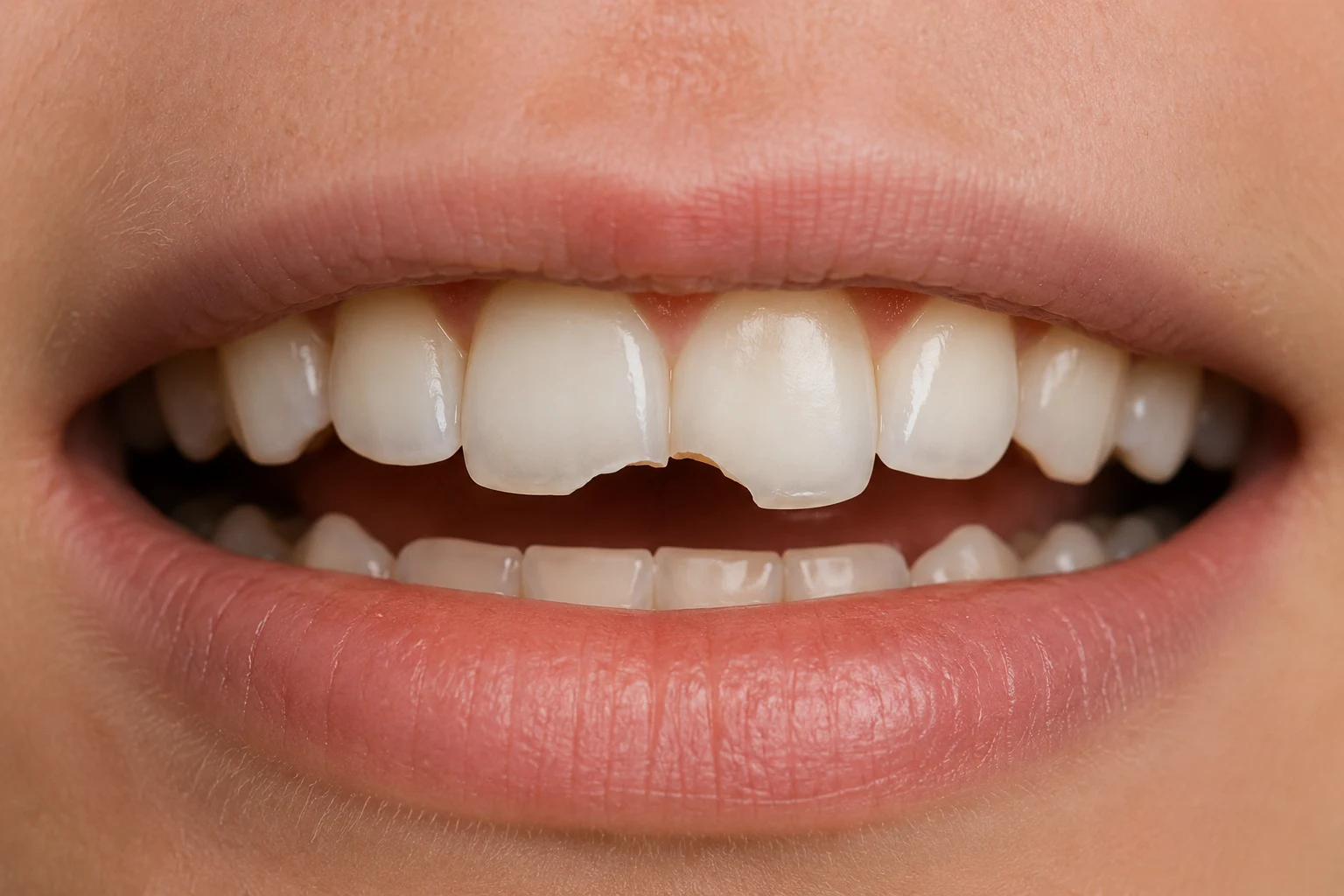
• cracked or fractured teeth
• teeth treated with root canal therapy
• teeth with extensive structural wear
Without reinforcement, weakened teeth may fracture under normal chewing forces. A crown restores the outer structure of the tooth and protects it from further damage.
Dentists evaluate tooth damage, bite alignment, and surrounding structures before determining whether crown placement is appropriate.
In some situations, additional procedures are necessary before a crown can be placed.
For example, root canal therapy may be required if the pulp inside the tooth is infected.
When a large portion of the tooth structure is missing, dentists may perform a core buildup to create a stable foundation for the crown.
These procedures ensure the crown functions properly and provides long-term structural support.
Many dental insurance plans provide partial coverage for crowns when the procedure is considered medically necessary.
Coverage varies depending on the insurance provider and individual policy. Insurance companies often review diagnostic information such as dental X-rays and clinical documentation before approving coverage.
Some plans cover a percentage of restorative treatment, while others apply annual coverage limits.
Patients are encouraged to review their insurance benefits or consult their dental provider to better understand coverage options.

Dental crowns are designed to provide long-term protection for damaged teeth. With proper care, crowns can last many years.
The lifespan of a crown depends on several factors, including:
• oral hygiene habits
• chewing forces and bite alignment
• crown material used
• regular dental maintenance
Routine dental checkups allow dentists to monitor the restoration and identify early signs of wear.
Maintaining good oral hygiene helps protect both the crown and surrounding gum tissue.
Proper care helps extend the lifespan of dental crowns.
Dentists typically recommend:
• brushing teeth twice daily
• flossing around crown margins
• attending routine dental examinations
• avoiding biting extremely hard objects
These habits help maintain both the restoration and overall oral health.
How much does a dental crown cost?
Dental crown cost varies depending on the material used, the complexity of treatment, and whether additional procedures are required.
Does insurance cover dental crowns?
Many insurance plans provide partial coverage when crowns are considered medically necessary.
Why are zirconia crowns sometimes more expensive?
Zirconia crowns require specialized manufacturing processes and offer high durability.
How long do dental crowns last?
With proper care and regular dental visits, crowns may last many years.
To help patients better understand crown treatment, explore these educational guides:
• Dental Crown vs. Filling: How Dentists Choose the Right Fix
• Dental Fillings: Types, Materials & What White Fillings Are Used For
Dr. Daniel Javaheri explains that dental crowns are recommended when a tooth has lost significant structural strength. By covering the tooth with a custom restoration, dentists can restore chewing function and protect the remaining natural tooth.
During dental evaluations, dentists assess the condition of the tooth, surrounding bone, and bite forces to determine whether crown placement may provide long-term stability.