August 10, 2026
Why Does My Jaw Click When I Chew? TMJ/TMD Symptoms and Treatment Options


Have you ever noticed your jaw clicking or popping while chewing? Occasional clicking may not always be a cause for concern, but if it happens frequently or is accompanied by pain, stiffness, headaches, or difficulty opening your mouth, it may be worth discussing with a dental professional.
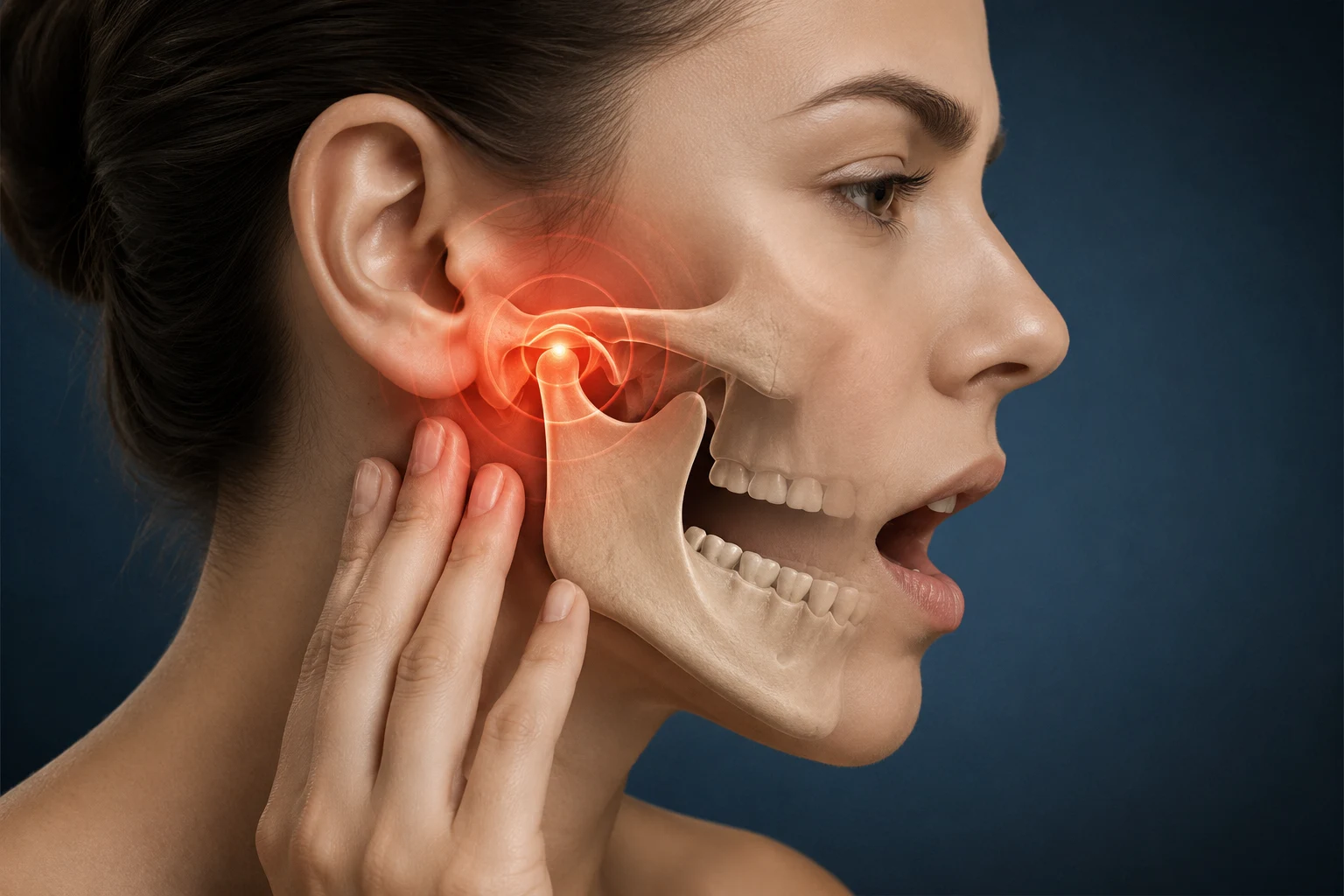
Persistent jaw clicking and discomfort may be associated with temporomandibular disorder (TMD), a condition that affects the temporomandibular joint (TMJ), surrounding muscles, or supporting structures.
Understanding the possible causes of jaw clicking and knowing when to seek evaluation can help you address symptoms before they become more disruptive.
The temporomandibular joints (TMJs) connect the lower jaw to the skull and allow the movements needed for chewing, speaking, and yawning.
TMJ refers to the joint itself, while TMD, or temporomandibular disorder, describes problems affecting the joint, surrounding muscles, or supporting structures.
TMD may develop due to factors such as muscle tension, bite alignment concerns, teeth grinding or clenching, jaw injury, or other conditions that interfere with normal jaw function.
Jaw clicking may occur when structures within the temporomandibular joint do not move smoothly during opening and closing.
For some people, clicking that occurs without pain, locking, or limited jaw movement may not require treatment. However, clicking accompanied by pain, jaw locking, stiffness, or difficulty opening the mouth should be evaluated by a qualified dental professional.
TMD symptoms can vary from person to person and may develop gradually. Recognizing changes early may allow for more conservative treatment and management options.
Jaw pain or tenderness is one of the most common symptoms associated with TMD.
Discomfort may occur around the jaw joint or in the muscles used for chewing and may become more noticeable while eating, speaking, or yawning.
Jaw clicking or popping may occur without discomfort. However, when these sounds are accompanied by pain, stiffness, or jaw locking, they may indicate a problem involving the joint or surrounding structures.
Muscle tension associated with TMD may contribute to headaches, particularly around the temples.
Some patients may initially mistake these symptoms for ordinary tension headaches or migraines before recognizing a possible connection with jaw function.
Because the temporomandibular joint is located close to the ear, TMD-related symptoms may sometimes be felt as ear pressure, ringing, fullness, or discomfort.
These symptoms can occur even when an ear infection is not present.
Pain while chewing, discomfort when opening the mouth widely, or changes in how the bite feels may indicate dysfunction involving the jaw joint or surrounding muscles.
Treatment for TMD depends on the underlying cause, severity of symptoms, and individual patient needs.
Many patients may benefit from conservative, nonsurgical treatment approaches before more invasive options are considered.
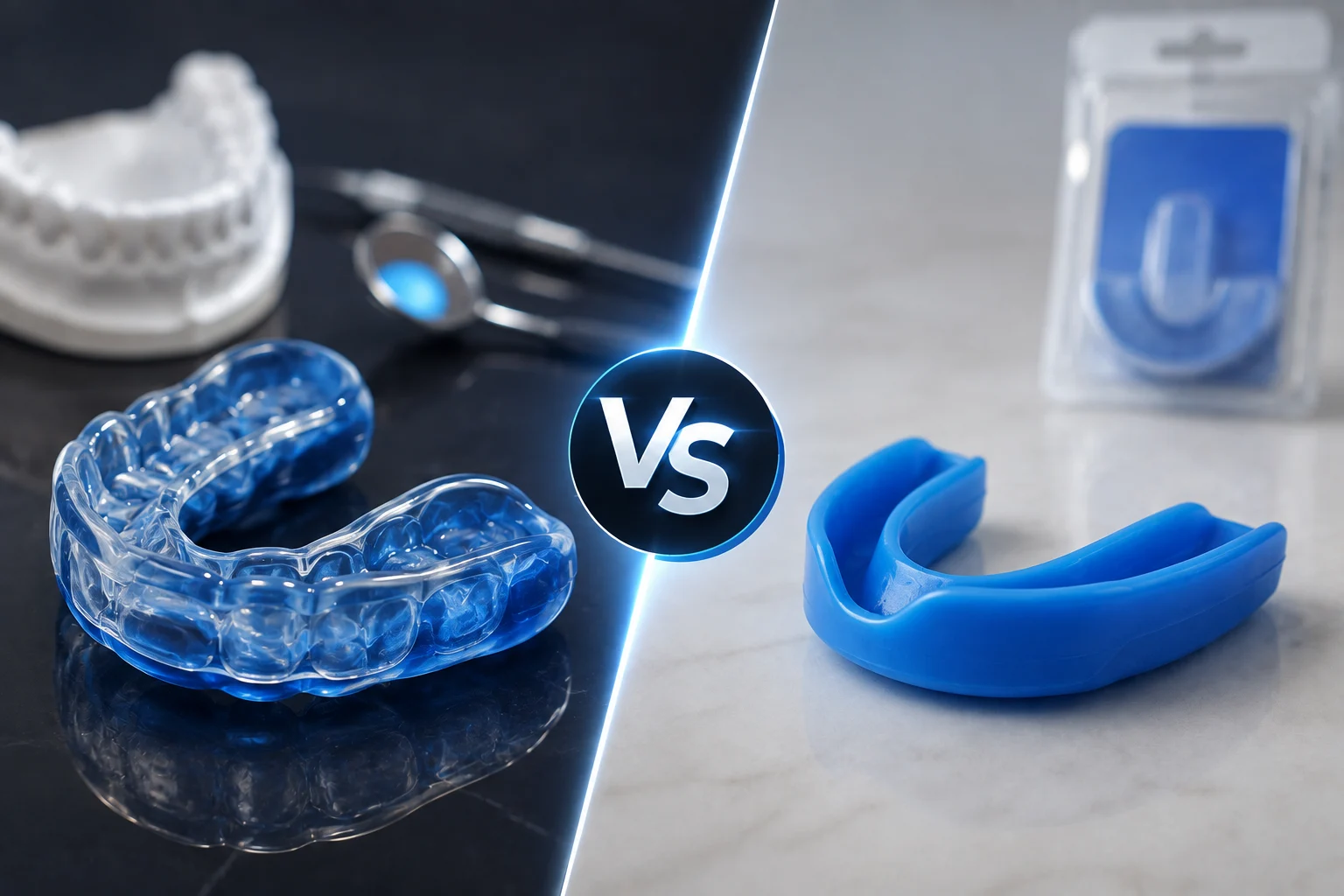
Custom occlusal splints may help reduce stress on the jaw joint and minimize forces associated with teeth grinding or clenching.
They are commonly considered as part of a conservative TMJ Treatment San Diego plan, depending on the cause of the patient’s symptoms.
Gentle stretches and professionally guided jaw exercises may help improve mobility and reduce muscle tension over time.
These exercises should be performed according to professional recommendations based on the patient’s specific condition.
If bite alignment is contributing to jaw discomfort, a dentist may evaluate how the teeth come together and determine whether additional treatment or adjustments may be appropriate.
The goal is to reduce unnecessary strain on the jaw muscles and supporting structures.
Certain daily habits may help reduce stress on the temporomandibular joint.
Helpful changes may include:
These changes may help reduce strain on the jaw and surrounding muscles.
For selected patients, Botox may be considered when excessive muscle activity contributes to TMD symptoms.
When appropriate, it may be incorporated into a broader treatment plan rather than used as the sole treatment.
Consider scheduling an evaluation for TMJ treatment in San Diego if you experience:
A professional evaluation can help determine whether your symptoms are related to the temporomandibular joint, surrounding muscles, bite function, or another dental concern.
Related Blog Posts:
Occasional jaw clicking without pain may not always require treatment, but persistent clicking accompanied by discomfort, headaches, jaw locking, or difficulty chewing should not be ignored.
Early evaluation can help identify the possible cause of your symptoms and determine whether conservative treatment may help improve jaw comfort and function.
At Smiles By Design Dentistry of San Diego, patients receive a comprehensive evaluation of jaw movement, muscle tension, bite alignment, and habits such as teeth grinding or clenching.
Our personalized treatment approach focuses on reducing discomfort, improving jaw function, and supporting long-term stability so patients can return to daily activities with greater comfort.
Jaw clicking may occur when structures inside the temporomandibular joint do not move smoothly during jaw movement.
No. Clicking without pain, locking, or limited movement may not always require treatment. Persistent symptoms or discomfort should be evaluated.
TMJ refers to the temporomandibular joint itself. TMD refers to disorders that affect the joint, jaw muscles, or surrounding structures.
Symptoms may include jaw pain, tenderness, clicking, popping, jaw locking, headaches, ear pressure, difficulty chewing, and changes in jaw movement.
Muscle tension associated with TMD may contribute to headaches, particularly around the temples.
Because the jaw joint is located close to the ear, TMD-related symptoms may sometimes feel like ear pressure, ringing, fullness, or discomfort.
Teeth grinding and clenching can place additional stress on the jaw joints and surrounding muscles and may contribute to TMD symptoms.
Treatment depends on the cause and severity and may include occlusal splints, jaw exercises, physical therapy, bite evaluation, lifestyle modifications, or other treatments for selected patients.
A custom oral appliance may help reduce grinding-related forces and jaw stress in appropriate patients.
Schedule an evaluation if clicking is accompanied by pain, jaw locking, difficulty opening or closing your mouth, recurring headaches, facial pain, or persistent chewing discomfort.