

Every year, thousands of patients avoid visiting the dentist because of dental fear or anxiety. Many people delay cleanings, fillings, extractions, or other necessary procedures because of discomfort, unpleasant past experiences, fear of treatment, or significant dental anxiety. Delaying dental visits can allow minor oral health concerns to develop into more serious and costly problems over time.
To help address dental fear and anxiety, sedation dentistry may be an appropriate option for some patients. It can help patients remain calm and comfortable during treatment while allowing the dental team to complete procedures more efficiently. Patients who have previously avoided dental appointments because of anxiety may find it easier to receive necessary care with an appropriate form of sedation.
Keep reading to learn more about sedation dentistry, the different types available, potential costs in San Diego, and how sedation may help make dental treatment more comfortable.
Sedation dentistry involves the use of medication to help dental patients feel relaxed during treatment. Depending on the type and level of sedation used, patients may remain fully conscious and relaxed or may require a deeper level of sedation during the procedure.
Sedation dentistry may help patients experiencing the following:
Many patients avoid dental care because of the anxiety or emotional stress associated with treatment rather than the procedure itself. Sedation dentistry may help reduce this anxiety and make dental appointments more manageable.
Patients experiencing dental anxiety may feel calmer and more relaxed with appropriate sedation techniques, helping reduce significant stress or panic during treatment.
Dental procedures involving extensive treatment or surgery may require patients to remain in the dental chair for a longer period. Sedation can help make these appointments more comfortable and manageable.
Patients who have avoided dental care for several years may require multiple treatments. Sedation dentistry can make it easier for some patients to receive necessary dental care and complete treatment more comfortably.
The appropriate level of sedation depends on several factors, including the patient’s level of anxiety, the complexity of the procedure, overall health considerations, and the specific treatment being performed. Some methods provide minimal relaxation, while others offer deeper levels of sedation for longer or more complex procedures.
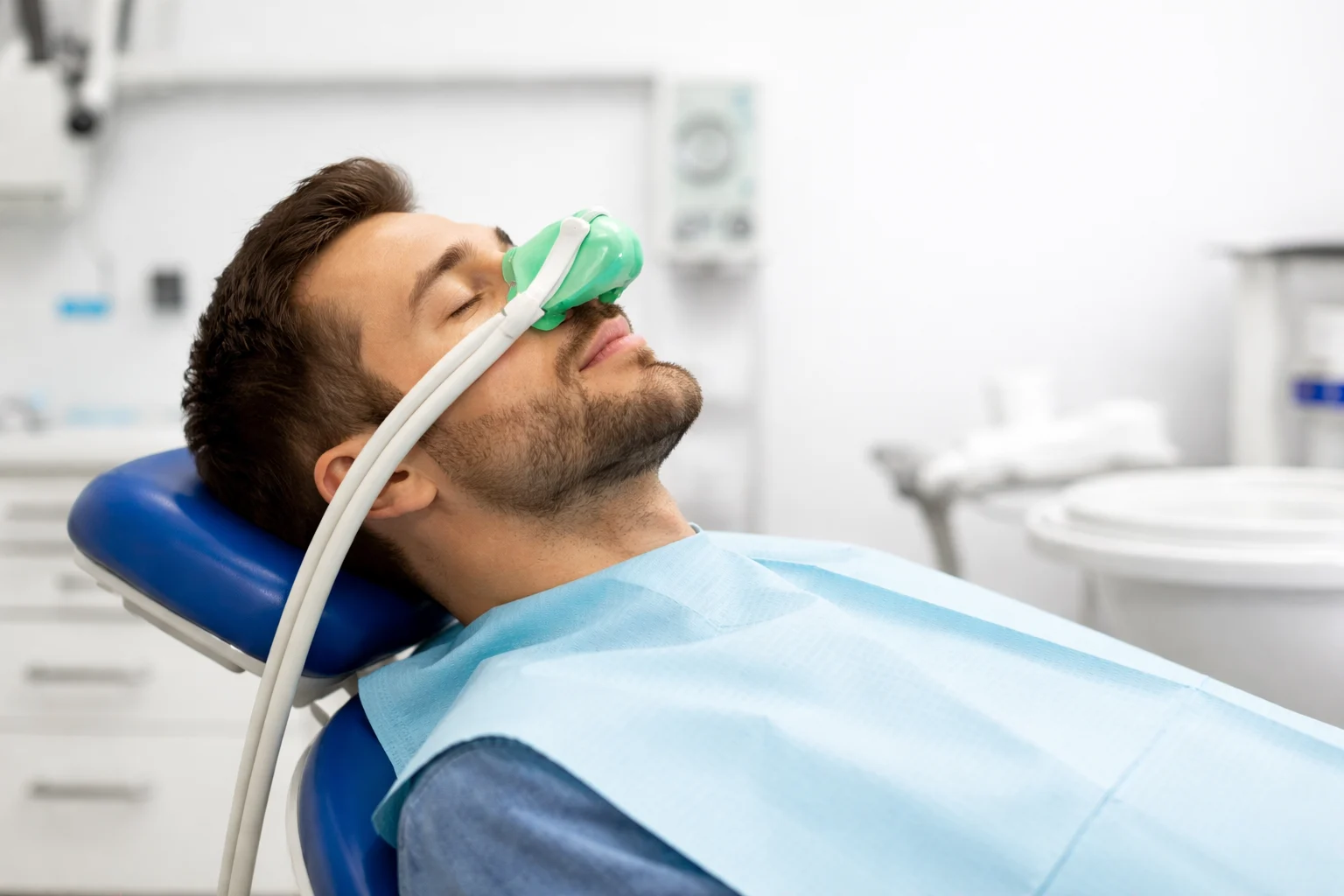
Nitrous oxide, commonly known as “laughing gas,” is one of the lighter sedation options used during dental appointments. Patients inhale the gas through a small mask placed over the nose during treatment.
Nitrous oxide may help reduce nervousness and anxiety while allowing the patient to remain awake, responsive, and comfortable throughout the procedure.
Oral conscious sedation involves taking prescribed medication before the dental procedure to help the patient feel calmer and more relaxed. Patients generally remain conscious but may feel drowsy and less aware of their surroundings.
Some patients may remember very little about the appointment afterward, depending on the medication and level of sedation used.
IV sedation is administered directly into the bloodstream, allowing the sedative effects to begin quickly and be adjusted as needed. The sedation level may be modified throughout treatment based on the patient’s comfort and the complexity of the procedure.
General anesthesia places the patient into a controlled state of unconsciousness during treatment. The patient remains unresponsive throughout the procedure and requires appropriate monitoring during treatment and recovery.
General anesthesia may be considered for certain extensive oral surgeries, complex procedures, specific health circumstances, or treatments requiring a deeper level of sedation.
Minimal sedation helps patients feel more comfortable while allowing them to remain conscious and responsive throughout the procedure.
This option may be suitable for patients with mild dental anxiety, shorter appointments, routine procedures, or those who prefer a lighter level of sedation with a relatively short recovery period.
Moderate sedation provides a deeper level of relaxation without necessarily causing complete unconsciousness. Patients can generally still respond to instructions during treatment.
A patient may feel relaxed, sleepy, and less aware of what is happening around them. Moderate sedation may be considered for longer appointments or for patients experiencing moderate to significant dental anxiety.
Understanding what to expect during a sedation dentistry appointment can help patients feel more prepared and comfortable.
Consultation — Before your appointment, your dentist reviews your medical history, current medications, and treatment needs to determine whether sedation is appropriate and which method may be suitable for you.
Sedation Administration — On the day of treatment, the selected sedative is administered. Depending on the method, this may involve inhaled nitrous oxide, oral medication, or IV sedation. Your dental team will confirm that you are comfortable before beginning treatment.
Monitoring Throughout Treatment — Your vital signs are monitored during the appointment, and your sedation level may be adjusted when appropriate to help maintain your comfort and safety.
Recovery — After treatment is completed, you may be given time to recover in the dental office before being cleared to leave. Recovery time varies depending on the type and level of sedation used.
Transportation Arrangements — For certain forms of sedation beyond minimal nitrous oxide, patients may need to arrange for someone to drive them home. Lingering drowsiness or reduced alertness can make driving unsafe after some types of sedation.
The cost of sedation dentistry in San Diego can vary depending on the type of sedation used, the complexity of the dental procedure, treatment duration, monitoring requirements, and the provider’s experience. Lighter sedation options generally cost less than deeper forms of sedation that require additional monitoring and support.
Nitrous oxide is generally one of the more affordable sedation options for dental procedures. In San Diego, the cost may range from approximately $100 to $250, depending on the length of the appointment and monitoring requirements.
Oral conscious sedation may range from approximately $200 to $500 per visit. The total cost may depend on the medication, dosage, appointment length, and other treatment-related factors.
IV sedation may cost approximately $500–$1,500, depending on the complexity and length of the procedure. Longer appointments, deeper levels of sedation, additional monitoring, and specialized support may increase the overall cost.
General anesthesia is generally one of the more expensive sedation options and may be used for extensive dental procedures or oral surgery. Costs may start at approximately $1,000 and increase depending on the complexity of the procedure, the length of time anesthesia is administered, and recovery requirements.
Several factors can influence the final cost of sedation dentistry in San Diego.
Longer dental appointments may require additional sedation time, medication, and extended monitoring, which can increase the overall cost.
Lighter sedation options generally cost less than IV sedation or general anesthesia because deeper levels of sedation may require additional monitoring, equipment, and clinical support.
The provider’s training, experience, credentials, and qualifications related to sedation dentistry may influence treatment costs.
Deeper levels of sedation may require specialized monitoring equipment, recovery assessments, and additional clinical staff to support patient safety throughout the procedure.
Dental insurance coverage for sedation varies by plan and may depend on whether sedation is considered medically necessary. Patients should contact their insurance provider and dental office to understand their benefits and potential out-of-pocket costs before treatment.
Sedation dentistry can provide several benefits for patients who experience dental fear, discomfort, or difficulty completing certain procedures. The appropriate method depends on the patient’s needs and the treatment being performed.
Sedation dentistry can help nervous or anxious patients remain calmer during dental procedures. With appropriate support, patients experiencing significant dental fear may feel more comfortable receiving necessary care.
Extensive dental treatments, oral surgery, implants, or multiple procedures may require longer appointments. Sedation can help patients remain more comfortable throughout these extended treatment sessions.
Patients with a strong gag reflex may experience difficulty during certain dental procedures. Sedation may help reduce sensitivity and make treatment more manageable for patients who regularly experience this problem.
In some cases, sedation may allow multiple procedures to be completed during fewer appointments. This can be helpful for patients who require extensive dental treatment or have difficulty attending repeated visits.
When patients feel calm and comfortable, it may be easier for the dental team to complete treatment efficiently. Improved cooperation can also contribute to a smoother dental experience.
Some forms of sedation may reduce a patient’s memory of parts of the dental appointment. For patients who experience significant anxiety related to dental sounds, sensations, or procedures, this may make future visits feel less stressful.
Patients with significant tooth sensitivity may avoid dental care because of discomfort. Appropriate sedation may help make certain cleanings, restorative procedures, or other dental treatments more comfortable.
Patients who repeatedly avoid the dentist because of anxiety may allow dental problems to become more advanced. Sedation dentistry can help some patients feel more comfortable receiving routine and necessary care, supporting better long-term oral health.
Sedation dentistry has an established safety record when administered by an appropriately trained and licensed provider with proper patient screening and monitoring.
Before treatment, your dentist will review your health history, medications, and other relevant factors to identify potential risks and determine whether sedation is appropriate. Depending on the sedation method, vital signs may also be monitored throughout the appointment.
As with any medical or dental procedure, sedation is not entirely risk-free. However, for appropriately evaluated patients, sedation dentistry can be a well-tolerated option for managing dental anxiety and improving comfort during longer or more complex procedures.
Related Blog Posts
Sedation dentistry in San Diego can help patients who experience dental anxiety, discomfort, or difficulty completing certain dental procedures feel calmer and more comfortable while receiving care.
If dental fear has caused you to delay necessary treatment, speaking with a dental professional can help you understand whether sedation dentistry may be appropriate for your needs.
Smiles By Design Dentistry of San Diego offers sedation dentistry options designed to help patients receive dental care in a comfortable, supportive, and safety-focused environment.
Our dental team develops personalized treatment plans based on each patient’s needs, medical considerations, and the dental procedure being performed.
From routine dental care to more complex treatments and surgical procedures, our team focuses on helping patients receive appropriate dental care while supporting their comfort and long-term oral health.
Sedation dentistry uses medication to help patients feel calmer and more comfortable during dental treatment. The level of sedation can range from minimal relaxation to deeper sedation.
Sedation may be considered for patients with dental anxiety, fear of injections, a sensitive gag reflex, difficulty remaining comfortable, previous negative dental experiences, or complex treatment needs.
Common options include nitrous oxide, oral conscious sedation, IV sedation, minimal sedation, moderate sedation, and general anesthesia.
It depends on the type of sedation. With lighter forms of sedation, patients generally remain awake and responsive. General anesthesia produces a controlled state of unconsciousness.
The article estimates approximately $100 to $250, depending on appointment length and monitoring requirements. Actual fees can vary by provider and treatment.
Oral conscious sedation may cost approximately $200 to $500 per visit, depending on the medication, dosage, appointment length, and other treatment factors.
IV sedation may range from approximately $500 to $1,500, depending on procedure complexity, treatment length, and monitoring requirements.
Sedation dentistry has an established safety record when provided by appropriately trained professionals with proper patient evaluation and monitoring. Like any medical procedure, sedation is not completely risk-free.
For certain types of sedation beyond minimal nitrous oxide, patients may need to arrange transportation because lingering drowsiness can make driving unsafe.
Coverage varies by insurance plan and may depend on whether sedation is considered medically necessary. Patients should verify their benefits before treatment.