

Losing one or more teeth can affect more than just your smile. If missing teeth are not replaced in a timely manner, they may gradually affect your ability to chew, maintain proper bite alignment, support normal jaw function, and protect your overall oral health. Many people delay treatment because they are unsure about their options, how long treatment will take, or the differences between dental bridges and dental implants.
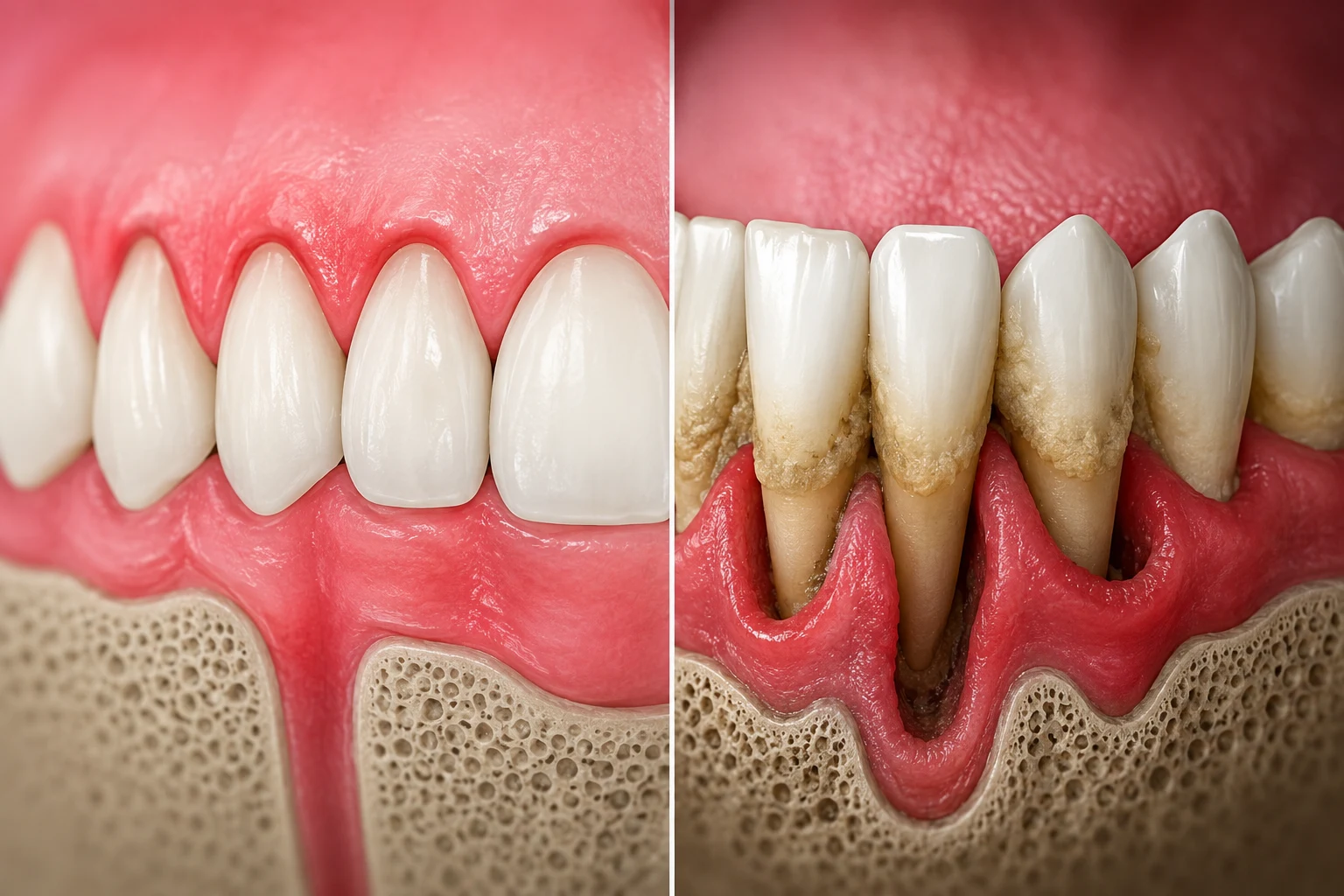
An untreated gap between teeth can contribute to several dental concerns, including shifting teeth, gum irritation, changes in bite pressure, and gradual jawbone loss over time.
Dental bridges are a common and effective option for replacing missing teeth. However, many patients want to understand how bridges work, how long they may last, and how they compare with dental implants before making a long-term treatment decision.
Understanding the dental bridge procedure and the different bridge options available can help patients choose a treatment that aligns with their oral health needs and daily lifestyle.
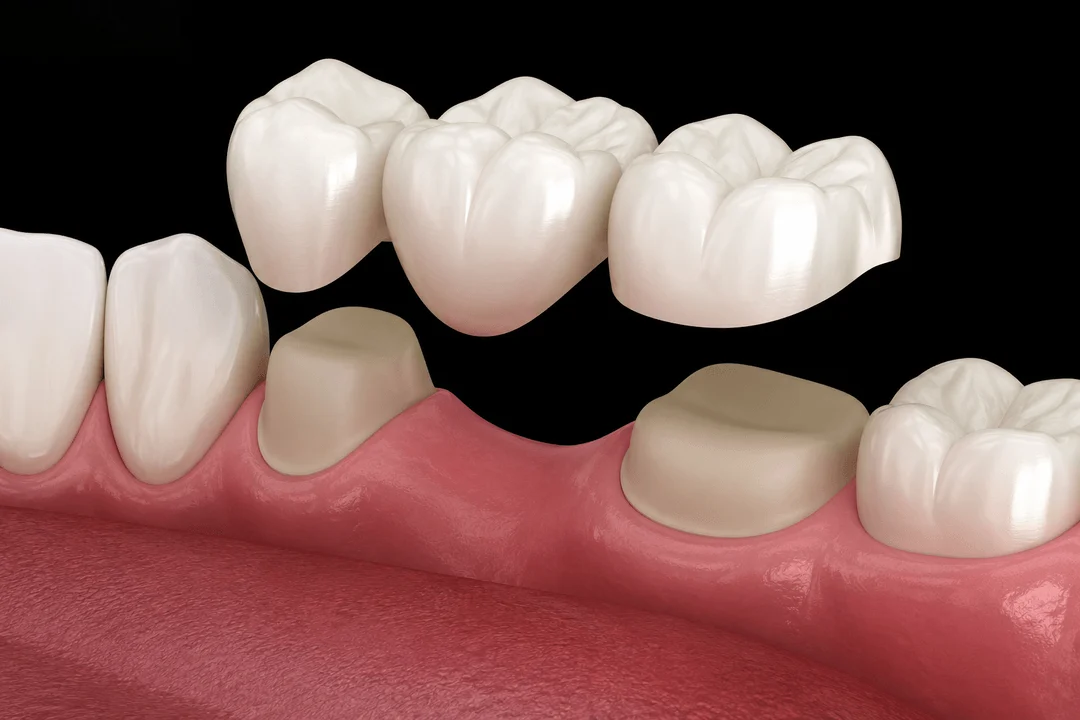
A dental bridge is a fixed dental restoration used to replace one or more missing teeth. Depending on the design, a bridge spans the gap created by missing teeth with artificial replacement teeth supported by adjacent natural teeth or dental implants.
Dental bridges can help restore:
Unlike removable dentures, dental bridges remain fixed in the mouth, providing ongoing functional support and an improved appearance.
Different dental bridge designs may be appropriate for different oral health situations. The recommended option depends on the location of the missing teeth, the condition of nearby supporting teeth, and the patient’s restorative needs.
Traditional bridges use dental crowns placed on the teeth next to the gap to support one or more artificial replacement teeth between them.
Cantilever bridges receive support from a single adjacent tooth and may be considered when a missing-tooth space has a suitable supporting tooth on only one side.
Maryland bridges use metal or porcelain wings bonded to the back surfaces of neighboring teeth rather than requiring full dental crowns for support.
Implant-supported bridges attach to dental implants instead of relying on natural teeth for support. This can provide additional stability for the restoration.
A dental bridge procedure may require multiple visits depending on the complexity of the case, the patient’s oral health, and the recommended treatment plan.
Before recommending a bridge, the dentist evaluates the health of the teeth and gums, the position and condition of surrounding teeth, bite alignment, and the location of the missing tooth or teeth.
For a traditional bridge, the supporting teeth are typically reshaped so dental crowns can fit securely and support the restoration.
Dental impressions or digital measurements are used to create a custom bridge that matches the surrounding teeth, bite alignment, tooth shape, and overall smile.
A temporary restoration may be placed over the prepared teeth while the permanent bridge is being fabricated.
Once the final bridge is ready, the dentist checks and adjusts its fit, bite, appearance, and comfort before securely placing the restoration.
Dental bridges remain a common tooth-replacement option because they can restore smile appearance while supporting everyday functions such as biting and chewing.
A dental bridge can make chewing more comfortable and help maintain a more balanced bite after tooth loss.
Custom bridge restorations are designed to blend with surrounding teeth, helping restore a more natural-looking smile and improve confidence.
Dental bridge treatment generally takes less time than implant treatment because it does not require implant placement and the associated healing period. Some implant cases may also require additional procedures, such as bone grafting.
Replacing missing teeth can help reduce the likelihood of neighboring teeth gradually shifting into the open space.
Although dental bridges provide several restorative benefits, there are also important considerations when comparing long-term tooth-replacement options.
Traditional dental bridges often require reshaping the neighboring teeth so they can support crowns and hold the bridge securely in place.
Unlike dental implants, a traditional bridge does not provide the same type of stimulation to the jawbone in the area of the missing tooth. As a result, bone changes may still occur over time.
Dental bridges may eventually require repair or replacement depending on oral hygiene, normal wear, bite forces, and the health of the supporting teeth and gums.
Dental bridges are designed to provide long-term tooth replacement while helping restore chewing ability, bite stability, and smile appearance. Their lifespan can vary depending on the type of bridge, oral hygiene habits, bite forces, and regular professional dental care.
Many permanent dental bridges last approximately 5 to 15 years. Daily brushing and flossing, along with regular professional cleanings and dental checkups, may help extend the lifespan of the restoration.
Temporary dental bridges are generally used for a short period while the permanent restoration is being fabricated.
A traditional dental bridge may last approximately 10–15 years, depending on the health of the supporting teeth, oral hygiene, bite forces, and ongoing dental care.
A Maryland bridge may last approximately 5–10 years, depending on bite forces, bonding stability, oral hygiene, and other individual factors.
An implant-supported bridge may provide greater long-term stability because the restoration is supported by dental implants rather than neighboring natural teeth.
Dental bridges and dental implants are both established options for replacing missing teeth. However, treatment time, surgical requirements, support, initial cost, lifespan, and long-term oral health considerations can differ depending on the patient’s needs.
Dental bridges may be suitable for people who have lost one or more teeth and have healthy adjacent teeth and stable gums capable of supporting the restoration.
Strong teeth next to the gap can provide reliable support for a traditional bridge and help restore normal function and bite stability.
Dental bridges generally have a shorter treatment timeline than dental implants, which require surgical placement and a healing period.
Some patients may prefer a dental bridge because traditional bridge placement does not require implant surgery.
A dental bridge can help restore the appearance of missing teeth and support a more complete, natural-looking smile.
Consistent daily oral hygiene and regular dental care can help protect the gums and supporting teeth while extending the lifespan of a dental bridge.
Daily brushing and flossing help remove plaque around the bridge and protect the surrounding teeth and gums.
Biting hard objects and untreated teeth grinding can place excessive pressure on the bridge or supporting teeth and may increase the risk of damage.
Regular dental visits allow your dentist to monitor the condition of the bridge, bite alignment, supporting teeth, gums, and overall oral health.
Floss threaders, interdental brushes, and other bridge-cleaning tools may help remove plaque and food particles from beneath and around the restoration.
Missing teeth can create everyday problems that may not seem significant at first. Difficulty chewing, shifting teeth, an uneven bite, speech changes, and reduced confidence can gradually affect both oral health and quality of life. Delaying treatment may allow additional dental complications to develop.
Choosing the most appropriate tooth-replacement option requires a careful evaluation by an experienced restorative dentist who can consider long-term function, stability, comfort, and oral health.
At Smiles By Design Dentistry of San Diego, our dental team provides personalized restorative treatment options that may include dental bridges, dental implants, cosmetic dentistry, and full-mouth rehabilitation based on each patient’s oral health needs and treatment goals.
Our team focuses on restoring bite function, protecting surrounding teeth, improving smile appearance, and helping patients regain daily comfort and confidence through personalized restorative dental care.
A typical bridge procedure involves an initial consultation, a tooth-preparation visit with a temporary bridge placed, and a final visit weeks later to bond the permanent bridge once it's back from the dental lab.
Most permanent dental bridges last between 5 and 15 years — traditional bridges often reach 10 to 15 years, and Maryland bridges typically last 5 to 10 years, depending on oral hygiene and bite force.
Traditional bridges do require reshaping the neighboring teeth so crowns can anchor the restoration in place — one trade-off compared to implant-supported options, which don't rely on natural teeth for support.
A Maryland bridge attaches with metal or porcelain wings bonded to the back of neighboring teeth instead of full crowns, making it less invasive but generally less durable than a traditional crown-supported bridge.
No traditional bridge doesn't stimulate the jawbone the way an implant's root does, so some bone loss can still occur gradually in the area beneath a bridge over time.
Patients with healthy, stable teeth on either side of the gap, those who want a faster treatment timeline, or those hoping to avoid implant surgery are often well suited to a bridge.
Daily brushing and flossing are essential, along with special floss threaders or bridge cleaners designed to remove food particles and plaque from underneath the restoration.
Generally yes, since an implant-supported bridge gets its stability directly from the jawbone rather than from neighboring teeth, which tends to make it more durable over the long run.
The teeth next to the gap are reshaped so crowns can fit over them and anchor the bridge securely — a step needed for traditional bridges but not implant-supported versions.
A dental bridge is fixed in place and not designed to be removed by the patient, unlike a removable denture, giving it more stability for chewing and daily use.