June 10, 2026
Sensitive Teeth After Whitening: Causes, Timeline, and How to Manage It


If you have ever finished a whitening treatment and then experienced discomfort with your first sip of cold water, you already know what post-whitening sensitivity can feel like. It is one of the most common concerns patients experience after cosmetic whitening and may be unexpected when the goal is simply to achieve a brighter smile.
Sensitivity can range from a dull ache to a sharp, sudden sensation triggered by cold drinks, hot foods, or even exposure to cold air. For many people, it improves within a few days. For others, particularly those with existing enamel wear or gum recession, sensitivity may last longer and interfere with eating, drinking, and daily comfort.
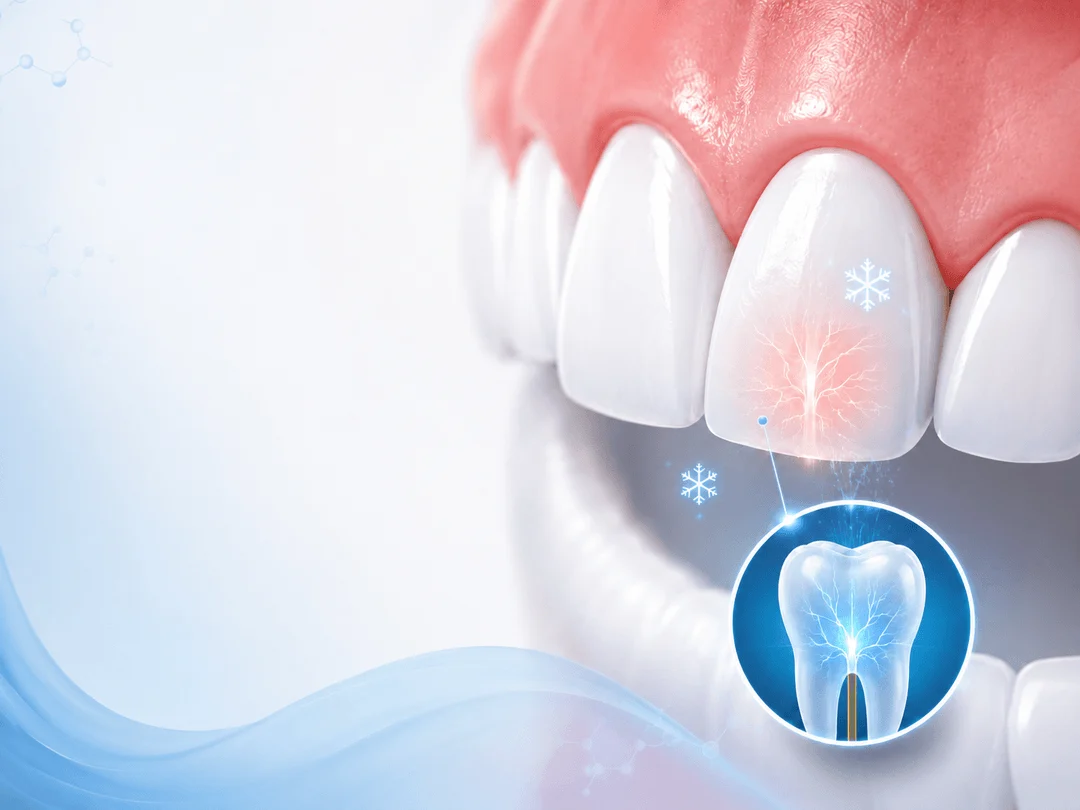
The reason this sensitivity occurs becomes clearer when considering tooth structure. Whitening agents work by penetrating the enamel and breaking down stains within the tooth. This process can temporarily increase the movement of fluid through microscopic pathways in the tooth, making the underlying dentin and nerves more responsive to temperature and other stimuli.
Understanding why sensitivity occurs, how long it may last, and what can help manage it can make the recovery process easier and more comfortable.
Whitening products typically contain hydrogen peroxide or carbamide peroxide, which can penetrate tooth structure and help break down stains. During this process, whitening agents may also contribute to temporary tooth sensitivity by increasing the movement of fluid within microscopic tubules in the dentin.
This temporary change can allow temperature and other external stimuli to affect the tooth nerves more easily, resulting in discomfort or sharp sensitivity after treatment.
Whitening-related sensitivity is typically temporary and often improves as the teeth recover following treatment.
Professional whitening gels may contain higher peroxide concentrations than many over-the-counter whitening products. These formulas can produce faster whitening results, but they may also increase the likelihood of temporary sensitivity.
The strength of the whitening agent and the length of exposure can influence how sensitive the teeth feel after treatment.
Enamel is the protective outer layer of a tooth. When enamel is thin, eroded, or worn down because of grinding, acid exposure, or other factors, there is less protection between the whitening agent and the underlying dentin.
Patients with existing enamel wear may experience more noticeable or longer-lasting sensitivity after whitening.
The root surface of a tooth is not protected by enamel. Instead, it is covered by cementum, which is thinner and more porous than enamel.
When the gums recede and expose portions of the tooth roots, whitening products that contact these areas may cause stronger sensitivity than they would on enamel-covered surfaces.
Using whitening strips, trays, or other products more frequently than recommended can increase sensitivity without necessarily providing better results.
Repeated exposure may keep the teeth irritated for longer and reduce the amount of recovery time between whitening sessions.
Cavities, cracked teeth, failing fillings, gum disease, or other existing dental problems may increase the risk of sensitivity during whitening treatment.
This is one reason a dental examination before whitening can be helpful. Identifying existing oral health concerns beforehand allows the dentist to determine whether whitening is appropriate or whether other treatment should be completed first.
Post-whitening sensitivity is usually temporary and often improves gradually within a few days. The recovery timeline can vary depending on the intensity of the whitening treatment, the condition of the enamel, and the patient’s individual sensitivity.
Sensitivity is often most noticeable during the first 24 hours after whitening. During this period, teeth may react more strongly to cold water, hot beverages, and exposure to air.
Within 48 to 72 hours, many patients notice that sensitivity becomes less frequent and less intense as the teeth begin to recover.
Mild sensitivity may occasionally persist for up to a week, particularly after stronger whitening treatments or repeated sessions within a short period.
Sensitivity that lasts longer than expected, becomes more severe, or does not gradually improve should be discussed with a dentist.
Although temporary sensitivity can occur after whitening, certain symptoms may indicate another dental concern that should be evaluated professionally.
Typical post-whitening sensitivity should gradually improve. If pain becomes sharper, more frequent, or more intense instead of getting better, another dental issue may be present.
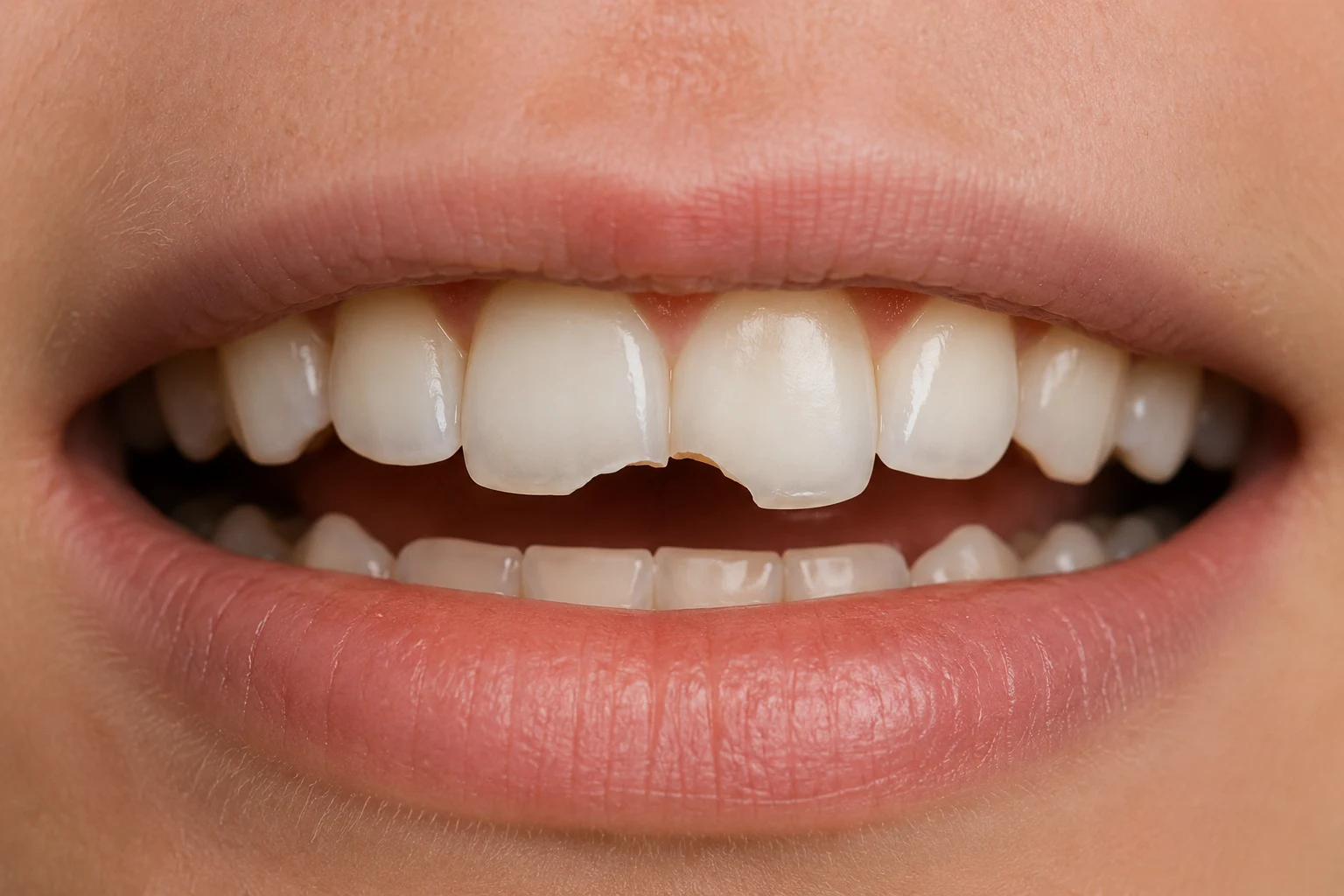
Untreated decay, a cracked tooth, or another structural problem may cause persistent discomfort.
Mild gum irritation can sometimes occur if whitening material contacts the soft tissues.
However, persistent swelling, bleeding, or significant irritation should be evaluated by a dental professional, particularly if symptoms do not improve after treatment.
Whitening-related sensitivity often affects multiple teeth rather than one isolated area.
Pain or sensitivity concentrated in a single tooth may indicate an underlying issue such as decay, a fracture, or a problem with an existing restoration.
Whitening sensitivity is more commonly associated with temperature changes or air exposure.
Pain that occurs specifically while biting or chewing may indicate a structural or bite-related dental problem rather than typical whitening sensitivity.
Proper aftercare can help reduce discomfort and support recovery following whitening treatment.
Desensitizing toothpastes may help reduce whitening-related sensitivity in different ways. Some ingredients help reduce nerve sensitivity, while others may help protect exposed dentin or support remineralization.
Common active ingredients include potassium nitrate, which may help reduce nerve response, and stannous fluoride, which can help protect sensitive areas of the teeth.
Common ingredients that may help include:
Patients may notice gradual improvement after several days of consistent use.
Temperature extremes can trigger discomfort in sensitive teeth after whitening.
Choosing room-temperature foods and beverages during the first few days may help reduce common sensitivity triggers while the teeth recover.
Acidic foods and beverages can temporarily affect the enamel surface and may increase sensitivity after whitening.
Common acidic triggers may include:
Limiting these items during the recovery period may help reduce additional irritation.
Saliva plays an important role in maintaining oral health. It helps neutralize acids, supports the natural remineralization process, and helps clear food particles and other irritants from the mouth.
Staying hydrated can support normal saliva production during recovery.
Patients should follow the recommended application time, treatment frequency, and instructions for whitening products carefully.
Using whitening products longer or more often than directed may increase unnecessary sensitivity and irritation.
Both professional and over-the-counter whitening products may cause temporary sensitivity. The level of supervision, whitening strength, and treatment method can influence patient comfort and overall sensitivity risk.
With professional whitening, a dentist can evaluate oral health, adjust the treatment when appropriate, and provide guidance for managing sensitivity.
Professional cosmetic dentists may use several approaches to help reduce sensitivity before, during, and after whitening treatment.
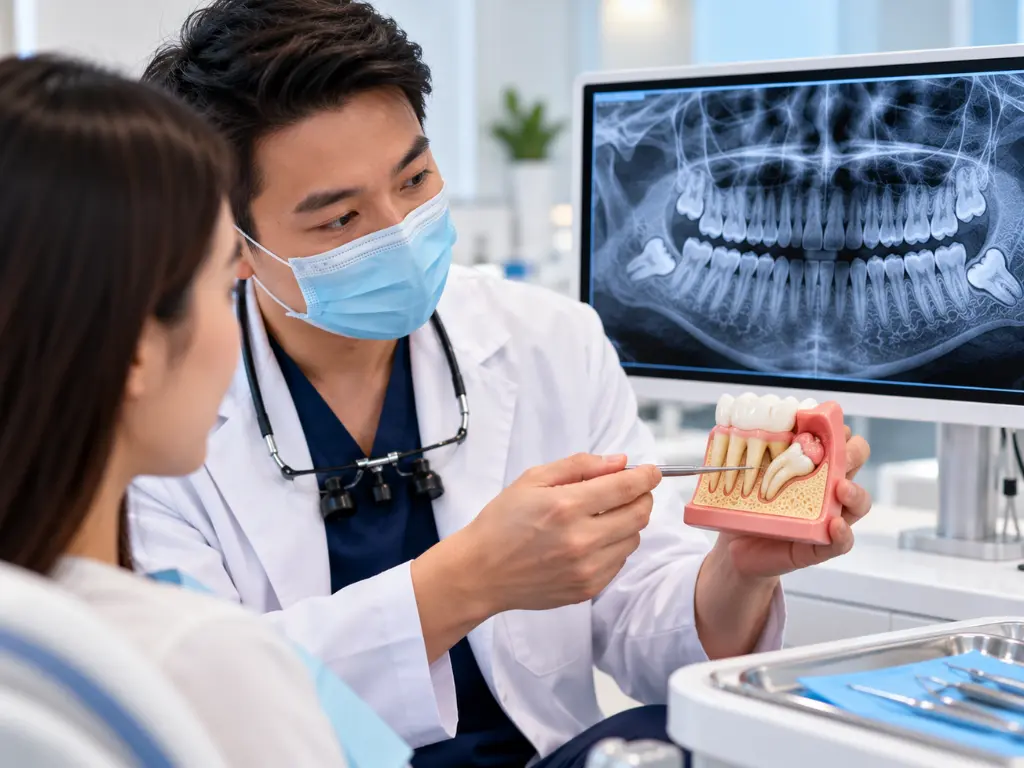
A dental examination before whitening can identify conditions that may increase sensitivity or affect treatment safety.
Cavities, gum recession, cracked teeth, and enamel damage may not always cause noticeable symptoms before whitening but can become more sensitive when whitening agents are applied.
Some cosmetic dentists may use fluoride varnish or other professional desensitizing treatments before or after whitening.
These treatments may help reduce discomfort and support the recovery of sensitive teeth.
One advantage of professional whitening is that treatment can be adjusted according to the patient’s oral health, whitening goals, and history of sensitivity.
Patients with previous sensitivity may benefit from a different treatment strength or approach than patients who have not experienced sensitivity before.
Dentist-supervised whitening can help reduce the risk of overuse, gum irritation, and improper application by allowing treatment to be monitored more closely.
Related Blog Posts:
Mild sensitivity after whitening is common and often improves within a few days. However, symptoms that become more severe, remain concentrated in one tooth, or occur alongside persistent gum irritation or pain when biting may require professional evaluation.
It is also important to consider existing oral health conditions before beginning whitening treatment. Cavities, exposed roots, cracked teeth, or other dental problems may increase the likelihood of discomfort during or after whitening.
At Smiles By Design Dentistry of San Diego, patients receive personalized cosmetic dental care focused on comfortable whitening treatment, enamel protection, long-term oral health, and natural-looking smile enhancement.
Our dental team helps patients address tooth discoloration, whitening sensitivity, enamel concerns, and cosmetic smile goals through customized treatment planning and professional dental supervision.
Whitening agents like hydrogen or carbamide peroxide temporarily open microscopic channels in the enamel leading to the nerve, allowing temperature and other stimuli to reach the tooth's inner layers more easily.
For most patients, sensitivity peaks in the first 24 hours and improves noticeably within 48–72 hours. Mild lingering sensitivity can occasionally last up to a week after a more intense treatment.
Not usually. Genuine whitening sensitivity tends to affect multiple teeth at once, so pain isolated to a single tooth often points to a separate issue like decay, a crack, or a leaking filling.
Potassium nitrate calms the nerve response, while stannous fluoride helps block the exposed tubules and supports remineralization. Both typically need several days of consistent use to build up effect.
Whitening is riskier when roots are exposed from gum recession, since those surfaces are more porous and react more strongly to whitening agents. A dental exam beforehand helps determine what adjustments are needed.
Professional whitening uses stronger peroxide concentrations, producing faster, more dramatic results but also carrying a higher chance of temporary sensitivity compared to milder store-bought products.
Extremely hot or cold foods and acidic items like soda, citrus, coffee, and wine are worth avoiding for the first couple of days, since they can intensify sensitivity while the enamel recovers.
If pain is getting sharper instead of easing off, is limited to one tooth, comes with gum swelling or bleeding, or shows up when biting or chewing, that goes beyond normal recovery and should be evaluated.
Yes — an exam can catch cavities, cracks, or gum recession beforehand, all of which make whitening more uncomfortable if left unaddressed.
Yes. Whitening sensitivity is triggered by temperature and air exposure, not pressure, so discomfort specifically while biting or chewing suggests a separate mechanical issue that needs its own evaluation.